
In the ever-evolving financial landscape, the interplay between political events, technological advancements, and environmental challenges continues to shape investor sentiment and market performance. Recent discussions surrounding major economic players such as former President Donald Trump and the significant valuation of tech entities like Anthropic have reignited debates on what constitutes fair market value. Furthermore, experts are reflecting on historical trends, particularly in the oil sector, and how those lessons can inform current strategies. As we delve into these topics, we will explore the implications for traders and investors looking to navigate this complex environment.
The recent announcement regarding Anthropic, a cutting-edge artificial intelligence company, seeking to secure funding at an astonishing valuation of $900 billion has raised eyebrows across the financial spectrum. This valuation, while seemingly astronomical, invites a closer examination of the underlying factors contributing to such lofty expectations. For one, the rapid growth of the AI sector has been fueled by increasing demand for advanced technologies across various industries. Investors are keen to capitalize on the transformative potential of AI, leading to aggressive valuations in a race to secure a foothold in this lucrative market.
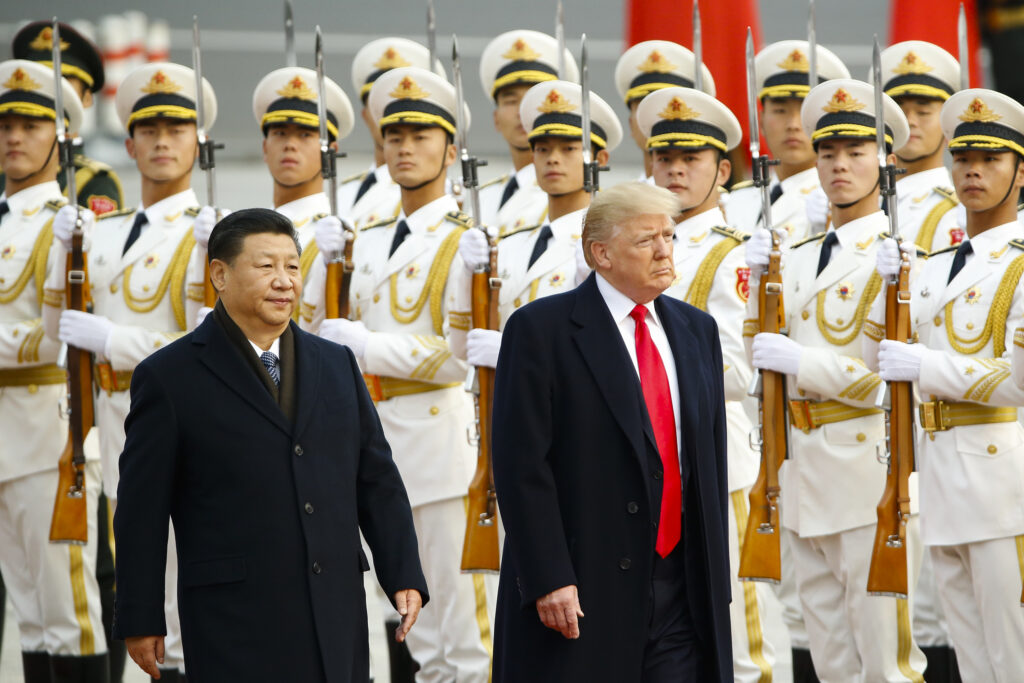
Conversely, the political landscape, particularly comments and actions from figures like Trump, play a significant role in shaping investor confidence. Trump’s influence, especially regarding trade relations with major players like China, can create ripples in global markets. His past policies have demonstrated a tendency to provoke volatility, and any new developments in this arena are closely monitored by traders looking to gauge their potential impact on market stability.
Moreover, the insights from Maarten Ackerman, an economist at Citadel, shed light on the crucial lessons learned from previous oil shocks. Historically, fluctuations in oil prices have had profound effects on economies worldwide. Ackerman emphasizes the importance of understanding these dynamics, as they can provide valuable context for current energy market conditions. For investors, acknowledging past patterns can lead to more informed decision-making, particularly in sectors closely tied to oil and energy prices.
In the agricultural sector, resilience is becoming increasingly essential. Loffie Brandt from Absa AgriBusiness highlights the need for local agriculture to adapt to changing climate conditions. Climate change poses significant risks to food security and agricultural productivity, prompting stakeholders to rethink traditional practices. Innovations in sustainable farming, investment in climate-resilient crops, and strategic resource management are critical for ensuring that agriculture remains viable amid environmental uncertainties.
Key Takeaways:
1. Valuations in the tech sector, particularly in AI, are experiencing a surge, reflecting investor optimism but also raising concerns about sustainability and market bubbles.
2. Political developments, especially those involving trade relations and economic policies, can have immediate and far-reaching effects on investor confidence and market trends.
3. Historical economic patterns, particularly in the oil industry, serve as valuable lessons for understanding current market dynamics and anticipating future shifts.
4. The agricultural sector must adapt to climate challenges through innovation and resilience-building strategies to ensure long-term sustainability.
For traders and investors, staying abreast of these developments is crucial. The interplay of technology, politics, and environmental factors creates a complex tapestry that can influence market movements. Those who can effectively analyze these trends will be better positioned to make strategic investment decisions. Additionally, diversifying portfolios to include sectors poised for growth, such as technology and sustainable agriculture, can mitigate risks associated with market volatility.
In conclusion, navigating today’s financial landscape requires a multifaceted approach that incorporates insights from various sectors and historical contexts. As we witness unprecedented valuations in technology, shifts in political sentiment, and the urgent need for agricultural resilience, investors must remain vigilant and adaptable. By understanding the interconnectedness of these factors, traders can better position themselves for success in an increasingly dynamic market environment. The future may be uncertain, but informed strategies will help pave the way for sustainable investment growth.