
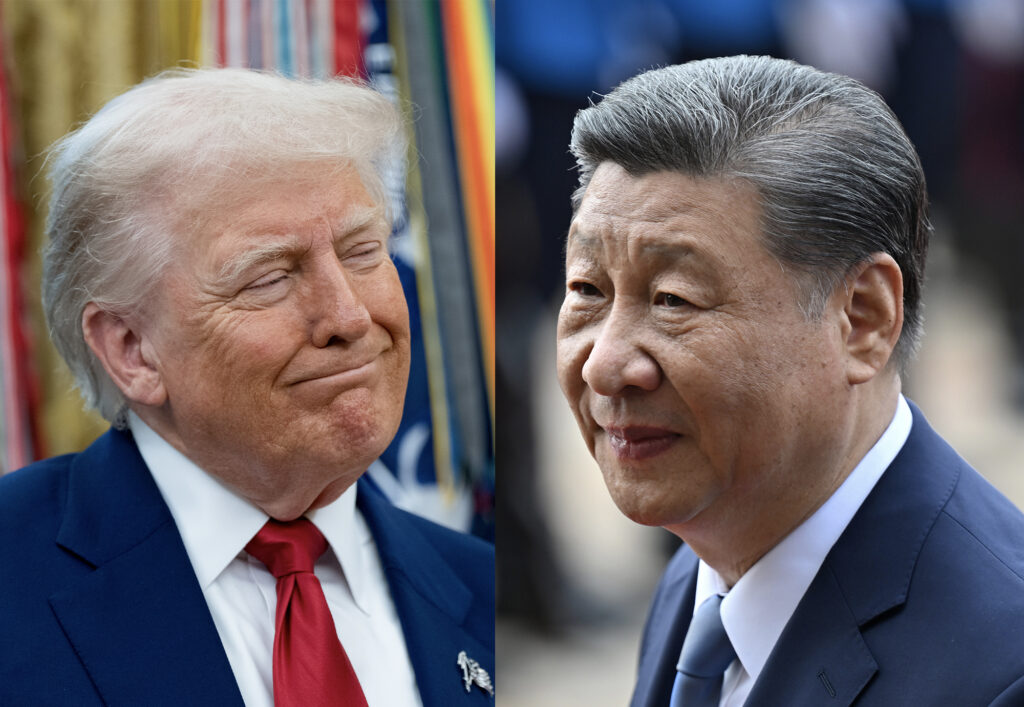
In November 2017, President Donald Trump embarked on a pivotal state visit to China, marking the first such visit by a sitting US president in nearly a decade. This visit took place at a crucial juncture for the relationship between the world’s two largest economies, set against the backdrop of rising tensions in the Middle East and ongoing trade disputes. As the global economic landscape continues to evolve, understanding the dynamics of this summit is essential for investors and traders alike.
The summit was framed by a series of complex geopolitical factors, including the ongoing Iran conflict and its impact on the US’s domestic political landscape. Trump arrived in Beijing with a clear agenda: to address trade barriers and economic policies that he believed were stifling American businesses. His arrival was greeted with a ceremonial welcome that underscored the significance of this diplomatic engagement.
The meeting between Trump and Chinese President Xi Jinping took place at the Great Hall of the People, symbolizing a meeting of equals. Both leaders came to the table with their own set of priorities and pressures. For Xi, the discussions were not merely about trade; they were also about projecting strength and stability in a world increasingly characterized by uncertainty and competition. For Trump, this summit represented an opportunity to assert American interests and push for reforms that could benefit US businesses operating in China.
One of the central themes of the summit was the potential for easing trade tensions. Reports indicated that both nations were exploring a framework that could allow for the relaxation of tariffs on approximately $30 billion worth of goods, a move that could signal a thawing of relations. However, both sides were also keenly aware of the need to protect national security interests, which complicated negotiations.
Key points emerged from the discussions, particularly regarding the pressing need for China to open its markets further to American firms. Trump emphasized his desire for China to create a more level playing field, stating his intention to engage Xi on this critical issue right from the outset. The notion of “opening up” was not just about trade; it was about fostering an environment where innovation and competition could flourish, benefiting both economies in the long run.
As the summit unfolded, it became clear that the implications of the discussions would extend beyond immediate trade concerns. The backdrop of the Iran conflict loomed large, influencing the tone and substance of the meeting. Trump’s frustrations with Tehran’s nuclear negotiations were evident, and how these geopolitical tensions intersected with US-China relations was a focal point of the discussions. Xi’s leadership was positioned as a stabilizing force in the region, and how China could leverage its influence in the Middle East was likely a topic of contention.
For traders and investors, the outcomes of such high-stakes summits carry significant weight. Market reactions can be swift and pronounced, driven by expectations of policy changes or shifts in trade dynamics. As news of potential tariff reductions and agreements emerged, market participants would have been closely monitoring developments, making strategic decisions based on the evolving landscape.
In the wake of the summit, several insights can be garnered. First, the importance of diplomacy in economic relations cannot be overstated. The ability of leaders to engage in meaningful dialogue can pave the way for potential agreements that benefit their respective nations. Second, the interconnectedness of global economies means that developments in one region can have ripple effects worldwide. Investors must remain vigilant and adaptable in response to geopolitical shifts.
In conclusion, the 2017 US-China summit was more than a simple meeting of two leaders; it was a reflection of the complexities and interdependencies that define the global economy. As both nations navigate their relationship, the stakes remain high, with potential implications for trade, investment, and international stability. For traders and investors, understanding these dynamics is crucial for making informed decisions in an increasingly volatile economic environment. The outcomes of such summits will continue to shape the landscape for years to come, making it essential for market participants to stay informed and engaged.