
The copper market recently experienced a notable decline, ending an impressive eight-day rally that had captured the attention of traders and investors worldwide. As prices soared to record highs, concerns began to surface about the sustainability of this upward trend, particularly in relation to demand from China. This blog post will delve into the factors influencing copper prices, the implications for traders and investors, and what we can expect moving forward.
In recent weeks, copper prices had surged, largely driven by disruptions in global supply chains and an optimistic outlook regarding demand from sectors like artificial intelligence (AI). However, as prices reached unprecedented levels, purchasing activity in China started to wane. The recent decline of up to 1.9% on the London Metal Exchange serves as a reminder that even in a bullish market, supply and demand dynamics can quickly shift.
The backdrop to this price retreat is multifaceted. Analysts have pointed to the increasing cost of copper as a significant factor deterring purchases in China. Xu Wanqiu, a prominent analyst at Cofco Futures, noted that the rising prices are “notably constraining” Chinese demand. Despite the current setback, domestic copper prices in China are expected to stabilize around 105,000 yuan (approximately $15,466.65) per ton, buoyed by ongoing speculation about AI-related demand.
It’s essential to recognize that while Chinese demand has been robust this year, particularly in sectors relating to energy transition technologies, traditional sectors such as real estate have struggled. This dichotomy has led to a complex landscape for copper consumption. The Shanghai Futures Exchange recorded an 8.6% increase in copper prices in early 2026, benefiting from renewed buying activity following the Lunar New Year. However, the recent surge has prompted some caution among fabricators, as orders for copper products like rods and tubes have weakened.
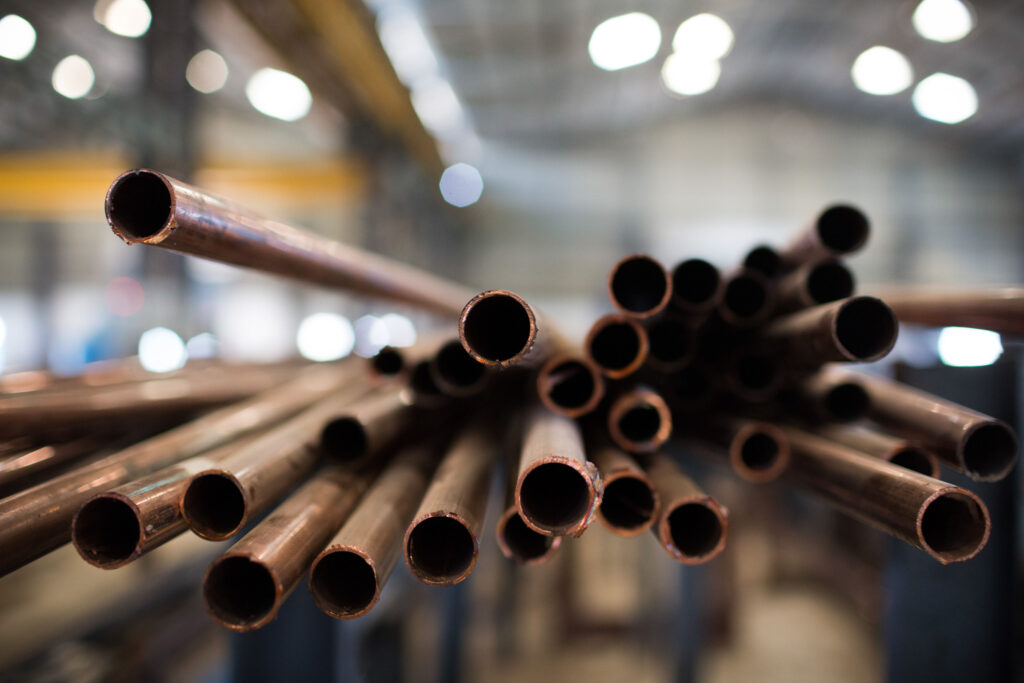
For instance, Yan Yuhao, a senior analyst at Zhejiang Hailiang Co, reported a drop in orders for copper rods—critical for electric wiring—compared to both the previous month and the same period last year. This decline is attributed to high prices that have led buyers to hesitate in making new purchases. Furthermore, demand for copper tubes, essential for appliances and plumbing, is expected to decrease by approximately 20% in May compared to April, largely due to rising costs and geopolitical tensions affecting trade routes, particularly the Strait of Hormuz.
Adding another layer of complexity to the market, the recent summit between Chinese leader Xi Jinping and U.S. President Donald Trump has raised eyebrows among traders. This meeting, the first visit by a sitting U.S. president to Beijing in nearly a decade, is expected to cover key issues including trade relations and geopolitical matters. The outcomes of such discussions could have significant implications for the copper market, particularly considering that trade tensions have historically influenced commodity prices.
Moreover, the Chinese tax authority’s crackdown on fraudulent invoicing practices has further tightened liquidity in the metals market, slowing imports into the country. This regulatory scrutiny could affect trading dynamics in the short term, presenting additional challenges for market participants looking to navigate the current landscape.
For traders and investors, the current dip in copper prices presents both challenges and opportunities. While the market remains volatile, the underlying demand for copper, especially in emerging technologies, suggests that long-term prospects could still be favorable. Investors should monitor global supply chain developments, regulatory changes, and geopolitical events closely, as these factors will likely continue to shape market conditions.
In conclusion, while the recent retreat in copper prices may signal a temporary setback, the broader context reveals a complex interplay of demand, supply, and geopolitical influences. Traders and investors should remain vigilant, adapting to the fluctuations while keeping an eye on emerging trends that could drive future demand. As we look ahead, the copper market will undoubtedly continue to be influenced by a variety of factors, making it an intriguing area for both speculation and investment in the coming months.