
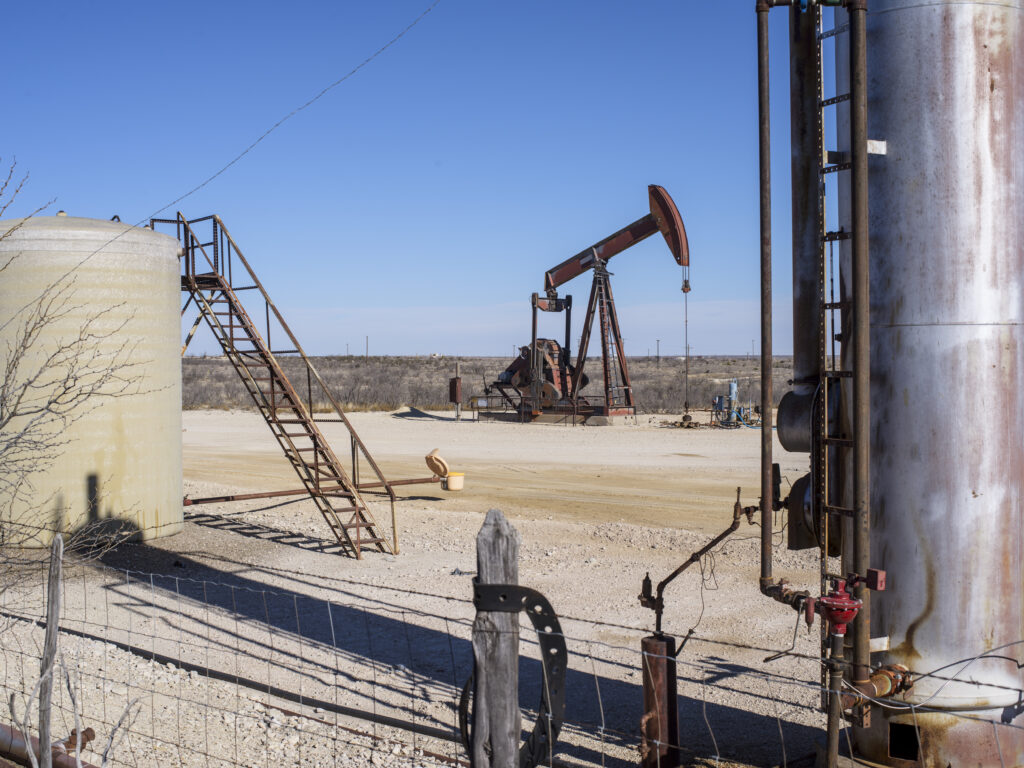
As geopolitical tensions rise, the oil market finds itself in a precarious position, balancing on the edge of uncertainty and volatility. The recent meeting between U.S. President Donald Trump and Chinese President Xi Jinping has brought a momentary pause to the ongoing turmoil, yet the backdrop of conflict in the Middle East continues to weigh heavily on global oil supplies. Understanding the intricate dynamics at play in the oil market is essential for traders, investors, and consumers alike, as prices remain under pressure from both geopolitical developments and supply disruptions.
The current state of oil prices reflects a complex interplay of factors, primarily driven by the ongoing conflict in Iran and its repercussions on global supply chains. Brent crude oil is trading at approximately $106 per barrel, following a decline of 2% in the previous session, while West Texas Intermediate (WTI) hovers around $101. These price points reveal the market’s sensitivity to geopolitical developments, especially as tensions in the Middle East show no signs of abating.
The International Energy Agency (IEA) has issued warnings about a potential “severely undersupplied” market, predicting that even if the conflict were to reach a resolution soon, supply constraints would persist well into the fall. The ongoing war has led to significant reductions in global oil inventories, creating a precarious situation for markets already grappling with high demand. The energy sector is particularly vulnerable, given the precarious state of supply routes, especially through the Strait of Hormuz, a vital passage for global oil shipments.
Recent data indicates that crude and fuel flows through the Strait of Hormuz fell by nearly 6 million barrels per day in the first quarter of the year as hostilities escalated. The strait’s importance cannot be understated, as it serves as a critical chokepoint for oil transport. The current geopolitical climate has made it increasingly difficult for tankers to navigate these waters safely, leading to a significant decline in oil exports from Iran, which has historically been one of the region’s largest crude oil producers.
Market analysts, including Rebecca Babin, a senior energy trader at CIBC Private Wealth Group, suggest that while there is a semblance of diplomacy taking place, the overall market sentiment remains focused on the long-term implications of these tensions. As she notes, the market is keenly aware that the timeline for a potential resumption of oil flows is slipping, casting a shadow over future supply predictions.
Despite a ceasefire that has been in effect since early April, the lack of significant progress in U.S.-Iran negotiations has left many in the market skeptical about a swift resolution. The U.S. has implemented sanctions against banks and entities involved in the sale of Iranian oil to China, which is currently the world’s largest importer of Iranian crude. This move further complicates the already strained supply situation and emphasizes the geopolitical realities that traders must navigate.
In addition to the Iranian sanctions, the impending expiration of a U.S. sanctions waiver that previously allowed for the purchase of Russian oil adds another layer of complexity. Refiners in India, one of the largest consumers of Russian crude, are particularly vulnerable as they have relied heavily on these imports. The potential loss of this supply could have ripple effects throughout the global market, leading to increased competition for alternative sources of crude oil.
As traders and investors assess these developments, key takeaways emerge. First, the geopolitical landscape significantly impacts oil prices and supply dynamics. Understanding the nuances of international relations is crucial for making informed trading or investment decisions. Second, the energy market remains highly sensitive to disruptions, and supply constraints can lead to rapid price fluctuations. Therefore, maintaining a close watch on geopolitical events is more important than ever.
In conclusion, the current state of the oil market serves as a reminder of how intertwined global politics and energy supply can be. As traders and investors navigate through these complexities, they must remain vigilant and informed. The potential for price volatility is high, and preparedness for sudden shifts in supply or demand will be critical in the coming months. With ongoing tensions in the Middle East and the looming expiration of key sanctions waivers, the future of oil prices remains uncertain, highlighting the importance of strategic planning and risk management in this ever-evolving market.