
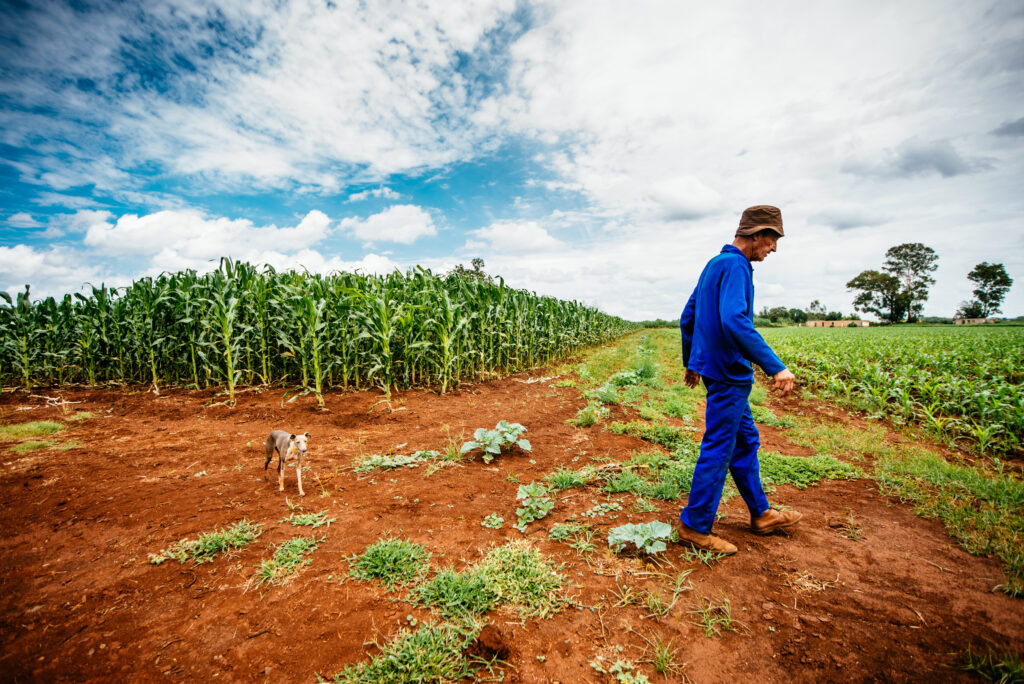
Farming has always been a formidable endeavor, characterized by its cyclical nature and inherent uncertainties. However, in recent years, the landscape of agriculture has transformed dramatically, primarily due to climate change and geopolitical events that have further complicated the already challenging task of farming. In this blog post, we delve into the intricacies of modern agriculture, highlighting the key factors affecting farmers today, and providing insights for investors and traders interested in this essential sector.
As the world faces the growing impacts of climate change, farmers are increasingly confronted with unpredictable weather patterns that can make or break their harvests. The unpredictability of seasonal rains, the frequency of droughts, and the intensity of storms pose significant challenges. Farmers rely on weather forecasts to plan their planting and harvesting schedules, but as climate conditions become more erratic, these predictions become less reliable. In regions like South Africa’s Western Cape, the recent volatility in weather has served as a stark reminder of just how quickly circumstances can change, forcing farmers to adapt on the fly.
One of the most pressing issues farmers face today is the need for adaptability. Unlike many industries where production plans can follow a set schedule, farmers must be prepared to pivot their strategies based on immediate environmental conditions. For instance, if a farmer anticipates a wetter season than usual, they might adjust their fertilization strategy to capitalize on the increased moisture. This kind of flexibility is essential for optimizing yields, but it requires a deep understanding of both agricultural practices and the specific conditions of each growing season.
Moreover, the costs associated with farming inputs such as fertilizer, seeds, and energy have soared, further straining the budgets of farmers. The ongoing geopolitical tensions, such as those stemming from the conflict in Ukraine, have exacerbated these issues, leading to increased prices for key farming supplies. For example, the cost of diesel fuel—an essential component of agricultural machinery—has seen significant hikes, affecting farmers’ operational costs. This economic pressure makes it even more crucial for farmers to calculate their break-even points meticulously and determine which crops will yield the best returns under the current conditions.
Key takeaways from the current state of agriculture include the importance of resilience and adaptability in the face of climate unpredictability. Farmers who can swiftly adjust their strategies based on real-time weather assessments are likely to fare better than those who rely solely on traditional methods. Additionally, the rising costs of inputs necessitate a more strategic approach to budgeting and financial planning. Understanding the intricate interplay between environmental factors and economic conditions is vital for success in today’s farming landscape.
For investors and traders looking to enter the agricultural sector, it is essential to recognize the inherent risks associated with farming. The volatility of weather and input costs can lead to unpredictable returns. However, this uncertainty also presents opportunities for those willing to engage with the sector thoughtfully. By investing in technologies that enhance weather prediction, improve crop resilience, or optimize resource use, investors can support farmers in mitigating risk while also positioning themselves to benefit from the growth potential in agriculture.
Moreover, there is an increasing demand for sustainable farming practices. Consumers are becoming more conscious of the environmental impact of their food choices, prompting farmers to adopt greener methods. Investments in sustainable technology and practices not only benefit the environment but can also enhance profitability in the long run as demand for organic and sustainably sourced products continues to rise.
In conclusion, the landscape of modern farming is fraught with challenges, primarily driven by climate change and economic pressures. Farmers today must be agile, adapting quickly to fluctuating conditions to optimize production. For investors and traders, understanding these dynamics is crucial. By investing in innovative solutions and sustainable practices, there is potential for both financial returns and a positive impact on the agricultural sector. As we navigate these tumultuous times, it is clear that the future of farming will require not just hard work and dedication, but also an openness to change and a commitment to sustainability.