
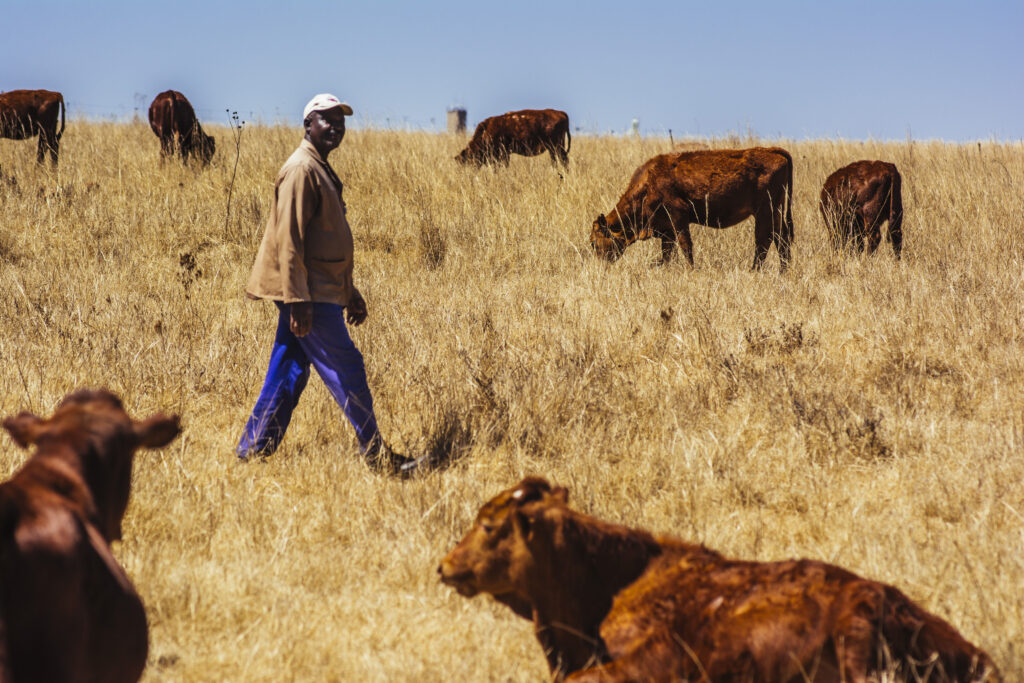
In recent years, the Land and Agricultural Development Bank of South Africa, commonly known as the Land Bank, has found itself at the center of discussions regarding its financial stability and future growth prospects. The institution has recently entered into negotiations with the National Treasury to secure additional funding, part of a broader strategy aimed at revitalizing its operations and enhancing its financial health. However, the bank has been keen to clarify that this move should not be misconstrued as a bailout but rather as a proactive approach to ensure its long-term viability.
Understanding the situation at Land Bank requires a closer examination of its financial history and strategic objectives. The bank has been grappling with significant challenges, especially following a debt default in 2020, which raised concerns over its operational sustainability. Since then, the Land Bank has made considerable strides in addressing these issues, including working closely with creditors to establish a repayment plan that aligns with its financial commitments.
One of the key figures involved in this turnaround effort is Sydney Soundy, the Chief Strategy Officer at the Land Bank. In a recent interview, Soundy emphasized that the bank’s current endeavor to engage with the National Treasury is not an attempt to escape financial distress but rather a calculated step towards ensuring its capacity to operate effectively within the agricultural sector.
The Land Bank’s initiative is aimed at strengthening its balance sheet and enhancing its ability to secure funding at more favorable rates. This is crucial for its ongoing mission to support agricultural development in South Africa, a sector that is vital to the country’s economy. The financial sustainability of the bank is not just a matter of internal management; it has far-reaching implications for farmers and the agricultural ecosystem at large.
Key Points or Takeaways:
1. **Not a Bailout**: The Land Bank is not seeking a bailout but rather a capital recapitalization that will enable it to lend for development purposes. This distinction is important as it reflects the bank’s commitment to proactive financial management.
2. **History of Debt Management**: The bank has been actively addressing its past financial challenges, including a debt default in 2020. Since then, it has successfully negotiated repayment agreements with lenders and has posted profits over the last two years.
3. **Focus on Development**: Any funds that may be acquired from the National Treasury will be directed towards development lending, which is essential for fostering growth in the agricultural sector.
4. **Long-term Strategy**: The bank is focused on building a sustainable financial future, which includes strengthening its balance sheet and seeking more affordable funding options.
For traders and investors, the developments surrounding the Land Bank present both challenges and opportunities. Understanding the dynamics of state-owned entities, especially those involved in critical sectors like agriculture, can inform investment strategies. The Land Bank’s proactive approach to securing additional funding could signal a shift towards greater financial stability, potentially making it a more attractive partner for agricultural businesses and investors alike.
Investors should also consider the implications of the South African government’s support for agricultural development, which can enhance the overall health of the sector. As the Land Bank works towards improving its financial sustainability, it may open up new avenues for investment in agricultural projects, particularly those that align with the bank’s strategic goals.
In conclusion, the Land Bank’s current discussions with the National Treasury mark a significant step in its ongoing efforts to enhance its operational efficiency and financial stability. By framing this initiative as part of a comprehensive corporate strategy rather than a desperate plea for a bailout, the bank is signaling its commitment to long-term sustainability. As the agricultural landscape evolves, stakeholders must stay informed about these developments, as they will undoubtedly impact the broader economic environment and investment opportunities within the sector. The focus on proactive financial management and development lending positions the Land Bank as a vital player in South Africa’s agricultural future, paving the way for growth and innovation in an essential industry.