
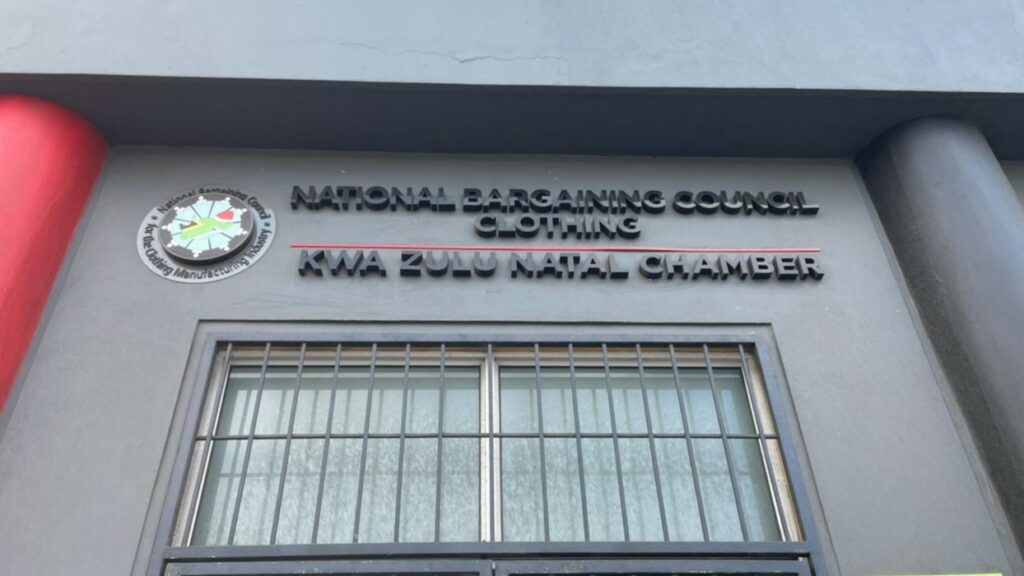
In a significant move that could reshape the landscape of South Africa’s clothing manufacturing industry, the National Bargaining Council for the Clothing Manufacturing Industry has initiated legal proceedings against Gemelli (Pty) Ltd, a prominent Durban-based fashion apparel supplier. This action highlights deep-seated issues related to labor practices in the industry, particularly concerning the use of so-called “sweatshops” that compromise workers’ rights in favor of cost-cutting measures. As the controversy unfolds, it raises critical questions about ethical manufacturing and the responsibilities of companies in ensuring fair labor practices.
The National Bargaining Council’s legal action against Gemelli is not an isolated case; it follows similar proceedings against Drake Clothing, another key player in the sector, earlier this year. Both cases underscore a broader concern regarding the treatment of workers within the clothing supply chain, particularly as major retailers often remain unaccountable in these disputes. The council’s objective is clear: to address and rectify the exploitation of workers through the misuse of labor structures, particularly those involving co-operatives that, according to the council, often skirt around established labor laws.
The crux of the allegations against Gemelli involves its purported associations with entities that operate outside the bounds of legal compliance. These so-called “sham co-operatives” are accused of flouting labor regulations to maximize profit at the expense of vulnerable workers. The council’s general secretary, Chantal Naidoo, has described this situation as an “alarming development,” indicating a systemic issue where the rights of employees are routinely violated. The implications of these practices are profound, as they not only jeopardize the livelihoods of individuals but also undermine the integrity of an industry that plays a crucial role in South Africa’s economy.
Key Points to Consider
1. **Legal Context**: The legal actions taken by the National Bargaining Council are designed to hold companies accountable for their labor practices. The council seeks court orders that would allow for the winding up of companies found in violation of labor laws, emphasizing the need for ethical compliance within the industry.
2. **Industry Standards**: The allegations against Gemelli and Drake highlight significant concerns regarding the standards upheld in the clothing manufacturing sector. The use of co-operatives as a mechanism for circumventing labor laws raises ethical questions about the responsibility of manufacturers to ensure fair treatment of their workers.
3. **Impact on Workers**: The exploitation of workers, particularly those from historically disadvantaged backgrounds, is a pressing issue. The council’s allegations point to a systemic abuse of power that prioritizes profits over the welfare of employees, who are often left without recourse to justice.
4. **Corporate Responsibility**: The controversy surrounding Gemelli and Drake serves as a reminder of the obligations that companies have towards their workforce. Ethical practices should be at the forefront of business operations, and companies must engage in transparent and responsible supply chain management.
Insights for Traders and Investors
For traders and investors in the clothing manufacturing sector, these developments may signal a shift in the landscape of ethical compliance and corporate governance. Companies that fail to adhere to labor laws may face significant legal repercussions, which can impact their financial health and market reputation. Investors should closely monitor ongoing legal proceedings and consider the potential risks associated with companies involved in labor disputes. Furthermore, as consumers increasingly prioritize ethical business practices, companies that proactively address labor issues may find themselves in a stronger position to capitalize on market opportunities.
Conclusion
The legal action against Gemelli (Pty) Ltd by the National Bargaining Council for the Clothing Manufacturing Industry serves as a critical juncture for South Africa’s clothing sector. As the industry grapples with allegations of unethical labor practices, the outcomes of these proceedings could set important precedents for corporate accountability and worker rights. For all stakeholders—whether they be industry players, investors, or consumers—the focus must remain on fostering an environment where ethical practices are not just encouraged but mandated. Ensuring fair labor practices is not only a moral obligation but also a sound business strategy that can lead to sustainable growth and positive public perception in an increasingly conscientious marketplace.