
In the world of finance, few things can be as exhilarating and disheartening as the stock market’s fluctuations. The recent journey of The Foschini Group (TFG) serves as a poignant example of this volatility, highlighting the fragility of investor confidence and the impact of broader economic forces. This blog post will delve into TFG’s recent market performance, the implications of their financial updates, and what investors and traders can glean from this situation.
TFG, a prominent player in the retail sector, experienced a significant downturn following its optimistic capital markets day in August 2025. The company had ambitious goals, projecting an impressive R80 billion in sales by 2028 while promising sustained improvements in profitability. However, the reality has been starkly different, as a series of profit warnings has led to a massive decline in its stock value, amounting to R19.7 billion in lost market capitalization. This downturn raises critical questions about the sustainability of TFG’s growth plans and the overall health of the retail industry.
The initial wave of concern began with a profit warning that surfaced in October, which indicated that earnings would likely plummet by 30% to 40%. Following this announcement, TFG shares dropped by 16%, setting off alarm bells among investors. The situation worsened with further updates, leading to an additional 14% decline in share value. By the end of this tumultuous period, TFG shares had lost about 50% of their value since their peak on August 6, 2025.
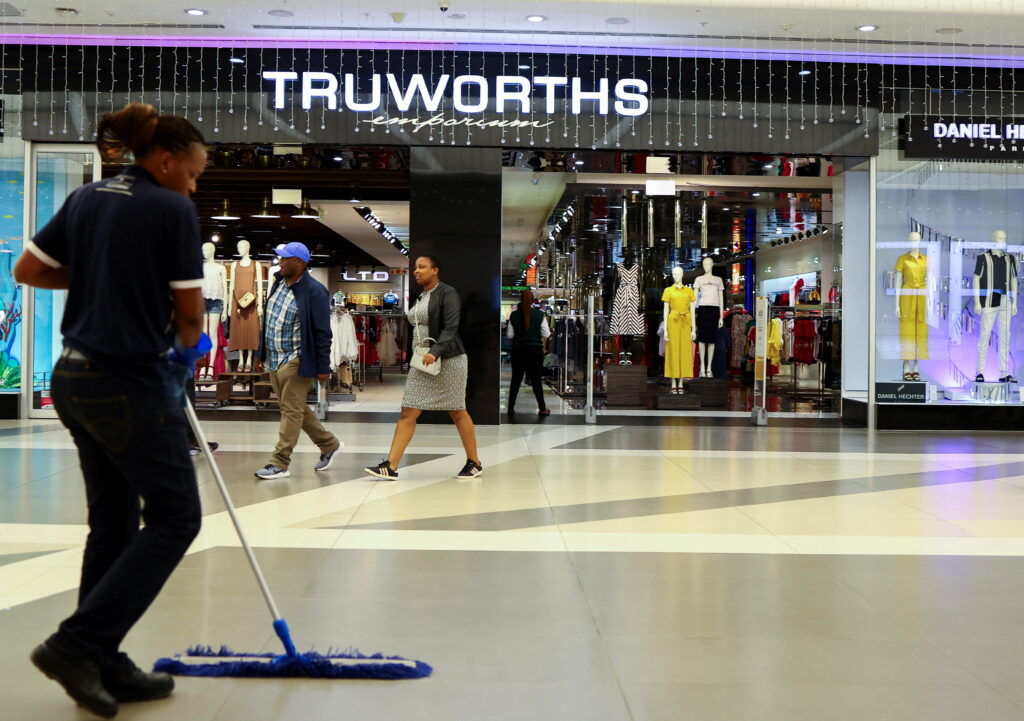
The ramifications of TFG’s decline were not felt in isolation. In an unexpected turn of events, Truworths International, a competitor that had struggled to maintain investor favor, overtook TFG in market capitalization for the first time in over a decade. As of now, Truworths boasts a market value of R20.66 billion, compared to TFG’s R19.86 billion. This significant shift underscores the competitive dynamics within the apparel retail sector and suggests that investor sentiment can change rapidly based on perceived performance and future prospects.
One key takeaway from TFG’s recent struggles is the vulnerability of retail businesses in the face of economic headwinds. The broader environment has been challenging, with sluggish domestic economic growth and increasing competition from international brands like Shein, which have reshaped consumer expectations and shopping habits. While TFG has made strides in acquiring brands in international markets, such as White Stuff in the UK, the results have not been as favorable as anticipated. Their operations in Australia and the UK have faced unique challenges, particularly with TFG London suffering setbacks, while Truworths’ Office brand has managed a successful turnaround.
Moreover, TFG’s decision to impair the brand values of several acquired entities demonstrates the company’s recognition of these challenges. The impairments—totaling R750 million for brands like Phase Eight and Tarocash—indicate a need for strategic reassessment and a more cautious approach to growth in the future. In contrast, Truworths has seen the opposite effect, reversing over R1 billion in previous trademark impairments related to its Office UK brand, showcasing its successful recovery from the pandemic’s impact.
For investors, the unfolding narrative around TFG serves as a critical reminder of the importance of due diligence and market awareness. The rapid decline in stock value following profit warnings highlights the need for investors to stay vigilant about the financial health of companies in their portfolios. Understanding market trends and the competitive landscape can provide valuable insights into potential risks and opportunities.
As we reflect on TFG’s recent performance, several insights emerge for traders and investors alike. First, it is essential to monitor the broader economic context, as external factors can significantly influence company performance. Second, the competitive dynamics within industries can shift quickly, and companies that were once leaders can quickly lose ground. Finally, distress signals such as profit warnings should prompt immediate scrutiny and reassessment of investment strategies.
In conclusion, TFG’s journey over the past few months offers a compelling case study in market volatility and investor psychology. As the retail landscape continues to evolve, companies like TFG must navigate a complex array of challenges to regain investor confidence and achieve their growth objectives. For investors, the key lies in staying informed, adaptable, and ready to pivot as market conditions change. The lessons learned from TFG’s experience will undoubtedly resonate throughout the investment community for some time to come.