
The energy landscape in South Africa is currently embroiled in legal complexities as Afriforum, an advocacy group, takes a stand against Eskom’s Distribution Agency Agreements (DAAs) with various municipalities. This legal action is not merely a procedural matter; it has significant implications for the future of energy distribution and management in the country. Understanding the intricacies of this case sheds light on the broader challenges facing Eskom and municipalities burdened by crippling debt.
Eskom, South Africa’s state-owned power utility, is grappling with an immense financial crisis fueled by unpaid debts from municipalities that have accumulated to over R110 billion. This staggering amount not only threatens Eskom’s operational viability but also poses a risk to the stability of the national grid. In response, Eskom has initiated DAAs with several municipalities, designed to establish itself as the primary agent for electricity distribution. These agreements empower Eskom to take control of critical functions such as metering, billing, and maintenance, ostensibly to improve collection efficiency and service delivery.
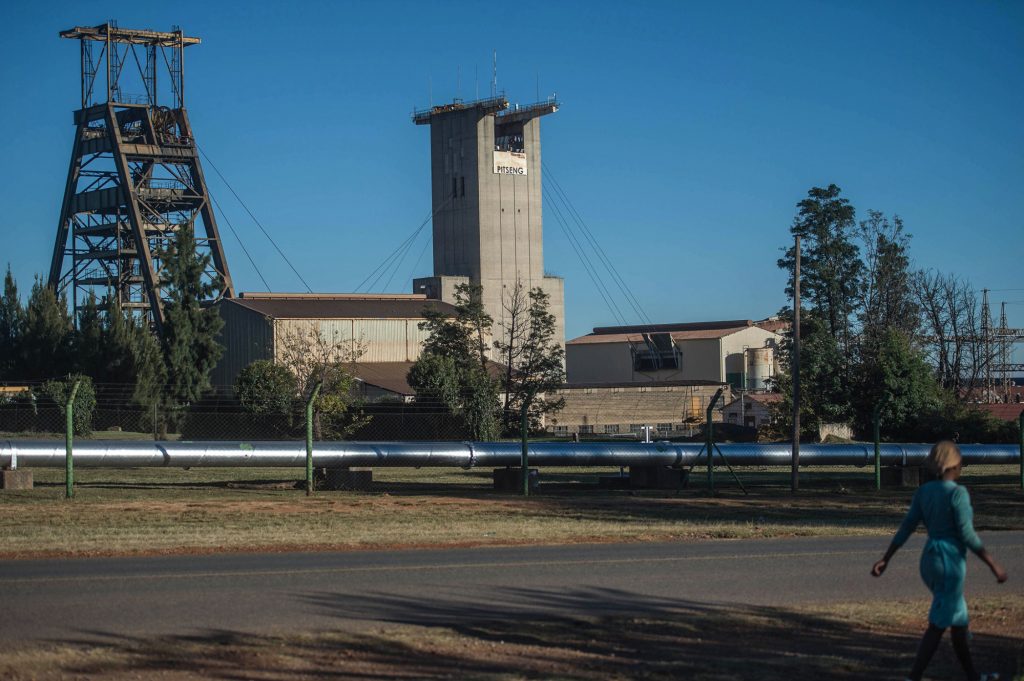
The recent application by Afriforum to the North Gauteng High Court seeks to invalidate the DAA with Merafong municipality, claiming it was established unlawfully. This legal challenge could set a precedent, affecting Eskom’s ability to roll out similar agreements in other municipalities struggling with arrears. While the DAA with Merafong, finalized in December 2025, is the first to be directly initiated by a municipality rather than through a court order, it has drawn scrutiny for its compliance with regulatory frameworks.
The Electricity Regulation Act (ERA) stipulates that Eskom and municipalities must adhere to specific protocols when forming such agreements. Nersa, the energy regulator, holds oversight over these entities and has the authority to revoke licenses for non-compliance. Afriforum’s contention rests on the assertion that the Merafong DAA did not follow due processes, including necessary public consultations and feasibility studies that evaluate the cost-effectiveness of outsourcing to Eskom. The organization argues that without proper oversight and procedural compliance, these agreements may not only be unlawful but could also lead to further financial turmoil.
Key takeaways from this situation reveal a complex interplay between governance, financial stability, and service delivery in South Africa’s energy sector. The mounting municipal debt to Eskom reflects deeper systemic issues that require urgent attention. While DAAs may offer a temporary solution, they also raise questions about the long-term viability of relying on external management for essential services.
For traders and investors, the implications of this legal battle extend beyond the courtroom. Eskom’s financial health is intricately tied to the stability of the South African economy. If the court rules against Eskom, the utility may face further operational disruptions that could adversely impact its stock performance and, by extension, investor confidence. Moreover, the outcome of this case could influence government policy regarding energy management and distribution, adding another layer of uncertainty to the investment landscape.
As the legal proceedings unfold, stakeholders must be vigilant. Municipalities must weigh the benefits of outsourcing their electricity distribution against the risks of non-compliance with regulatory frameworks. For Eskom, the challenge lies in balancing operational efficiency with adherence to legal and regulatory standards.
In conclusion, the legal challenge posed by Afriforum against Eskom’s Distribution Agency Agreements underscores the fragile state of South Africa’s energy sector. It highlights the critical need for transparent governance and compliance with regulatory frameworks to ensure both financial stability and effective service delivery. As the situation develops, it will be essential for all parties involved—municipalities, Eskom, and regulatory bodies—to engage constructively to find sustainable solutions to the challenges facing the energy landscape. The implications of this case will reverberate through the economy, impacting not just the energy sector but also the broader financial market and public trust in governance.