
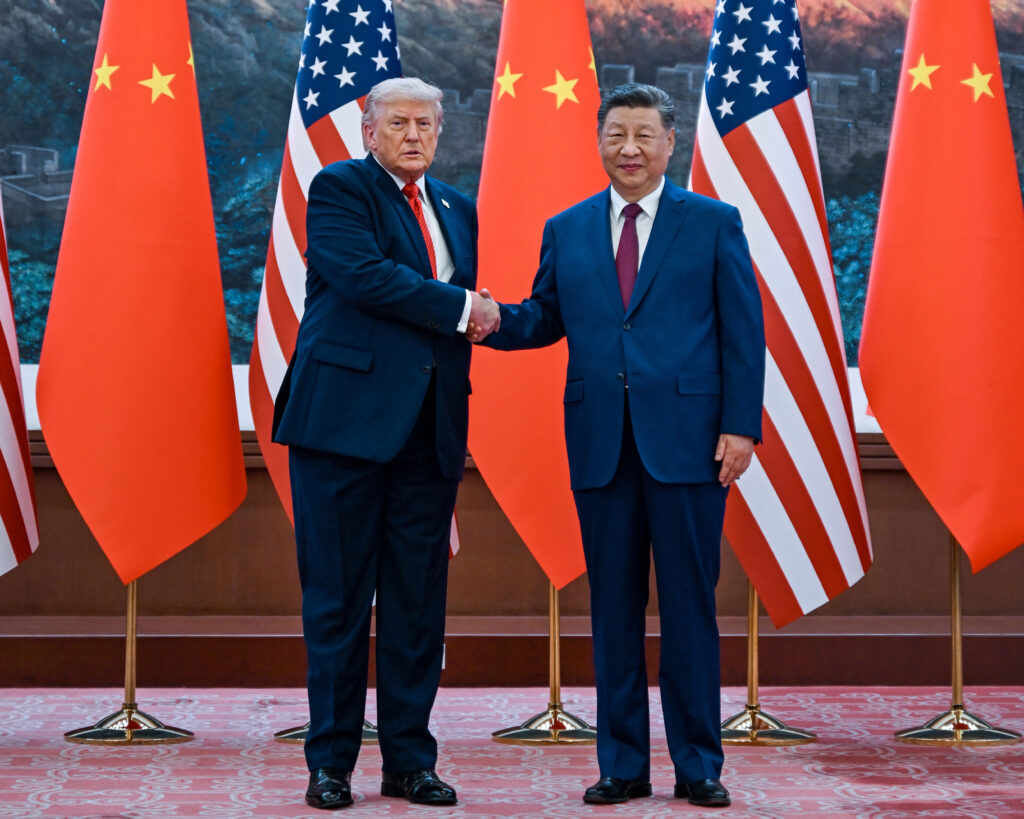
Donald Trump’s visit to China was marked by an extravagant display of diplomacy, but the underlying realities of international relations suggest that the outcomes of the trip were far more nuanced. The summit, which showcased a facade of camaraderie between Trump and Chinese President Xi Jinping, ultimately left many pressing issues unaddressed. As the world grapples with instability in the Middle East and economic uncertainties, the implications of this visit could have lasting effects on global markets and investor confidence.
The two-day summit in Beijing was characterized by ceremonial gestures and public displays of warmth. Trump praised the beauty of China and referred to Xi as a great leader, while Xi reciprocated with military honors and thoughtful gifts. However, beneath this veneer of friendship lay a multitude of unresolved issues, including the ongoing conflict in Iran and growing tensions surrounding Taiwan. As Trump departed Beijing, the lack of substantial agreements highlighted the chaotic preparation for the visit, which coincided with significant domestic challenges in the United States.
One of the most notable aspects of the trip was the propaganda victory it provided to Xi Jinping. The Chinese president appeared keen to maintain a calm and controversy-free atmosphere during the summit, and he succeeded in this goal. Trump’s favorable remarks towards China and Xi’s government allowed the Communist Party to project an image of strength and stability. Furthermore, Xi’s comments regarding Taiwan, made during their bilateral discussions, dominated media coverage, effectively positioning Beijing’s stance on the semi-autonomous region front and center in the narrative surrounding the meeting.
In the realm of corporate interests, some individuals emerged as immediate winners from the summit. Jensen Huang, the CEO of Nvidia, was initially sidelined, having not been included in the list of executives accompanying Trump. However, he managed to join the delegation during a refueling stop, which provided him an unexpected opportunity to engage with both Trump and Elon Musk. While the discussions around Nvidia’s technology may not have been a focal point of the summit, Huang’s presence could signal a potential opening for the company to expand its market access in China.
Visa Inc. also found itself in a favorable position following the summit. Trump actively supported the company’s efforts to penetrate the vast Chinese payments market, which is estimated to encompass over 10 billion bank cards and a staggering transaction value of nearly $142 trillion. With Visa’s CEO Ryan McInerney part of the delegation, the endorsement from Trump may pave the way for the company to establish a stronger foothold in one of the largest consumer markets in the world.
Despite the apparent successes of certain individuals and companies, the overall results of the trip left many investors and analysts wary. The lack of concrete outcomes from such a high-profile diplomatic engagement raises questions about the effectiveness of U.S.-China relations moving forward. As global inflation continues to rise, driven in part by tensions in the Middle East, investors are increasingly looking for signs of stability and cooperation between these two powerful nations.
Moreover, the summit highlighted the intricate balancing act that both leaders must perform. While Trump seeks to project strength and assertiveness on the global stage, Xi aims to maintain a narrative of stability and control within China. The complexities of these relationships extend beyond mere rhetoric and have real implications for trade, investment, and geopolitical stability.
For traders and investors, the key takeaways from this summit revolve around understanding the dynamics of U.S.-China relations and their potential impact on global markets. The ability of companies like Visa and Nvidia to capitalize on opportunities within China may signal a shift in how American corporations navigate international markets. Furthermore, the ongoing tensions in the Middle East and their economic fallout will likely remain a critical consideration for investors as they assess risk and opportunity in a rapidly evolving landscape.
In conclusion, while Trump’s visit to China may have been characterized by spectacle and diplomatic niceties, the underlying issues at play demonstrate the complexities of international relations. The summit provided both opportunities and challenges for key players, and the repercussions will be felt across global markets. As we move forward, it will be essential to closely monitor developments in U.S.-China relations, as well as the broader geopolitical landscape, in order to better understand the implications for investors and the economy as a whole.