
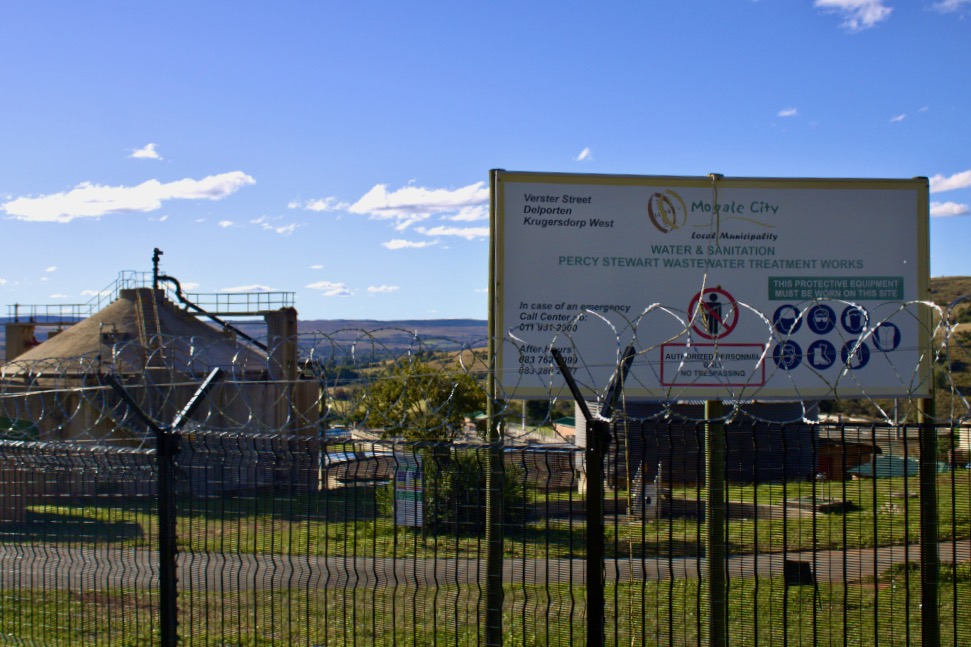
Mogale City, a municipality nestled in the heart of Gauteng’s West Rand, is currently facing a dire situation that echoes beyond its borders. Home to approximately 440,000 residents and parts of the globally recognized Cradle of Humankind World Heritage Site, Mogale City’s sanitation management failures have led to alarming levels of environmental contamination. This not only threatens the health of its communities but also jeopardizes a vital ecological treasure that is part of South Africa’s rich heritage. The degradation of wastewater treatment facilities in the region has reached a critical point, prompting urgent calls for action and accountability.
The Green Drop Report, a crucial audit conducted by the Department of Water and Sanitation (DWS), provides a stark overview of the current state of wastewater treatment works (WWTWs) in Mogale City. The municipality’s Green Drop score plummeted from a respectable 75% in 2013 to a shocking 65% in 2021 and dropped below 30% in 2025. This decline is not just a statistic; it represents the largest regression in Gauteng, showcasing a transition from average to critical performance. The implications of this deterioration are severe, affecting both public health and the natural environment.
In detail, all three of Mogale City’s WWTWs—Flip Human, Percy Stewart, and Magaliesburg—are in a state of crisis. Their current ratings are alarmingly low, with Flip Human at 30% (down from 64% in 2021), Percy Stewart at 30% (down from 68% in 2021), and Magaliesburg at a mere 27% (down from 49% in 2021). Perhaps the most concerning aspect is the municipality’s 0% rating for microbiological and chemical compliance, which means that harmful pathogens and chemical pollutants are not being adequately monitored or controlled. The presence of E. coli, a dangerous bacterium, is rampant, and the water quality has reached a level that poses significant health risks to the surrounding communities and ecosystems.
The DWS has issued a Red Regulatory Notice to Mogale City, necessitating the submission of a Corrective Action Plan by the end of May. This plan must outline a detailed strategy for restoring the treatment works to a functional state. Trevor Brough, the director of the Cradle of Humankind World Heritage Site Association, labeled the situation as nothing short of catastrophic, emphasizing that the facilities are discharging raw sewage into rivers already suffering from acid mine drainage. The result is a devastating impact on local ecosystems, with rivers like the Blougatspruit and Bloubankspruit being described as “rivers of disease.”
Key findings from a 2024 Water Resources Status report by the Council for Scientific and Industrial Research (CSIR) further underline the urgency of the situation. The Percy Stewart WWTW has been identified as a primary threat to the Cradle of Humankind, particularly due to the extreme levels of E. coli found downstream, where counts consistently exceed the “extreme high risk” threshold of 1,000 MPN/100ml. The stench of untreated sewage permeates the air, leading to a public outcry for change. Community members, including Andreas Oberlechner, chairperson of the Roodekrans Neighbourhood Watch, have voiced their frustrations, pointing out that for over a decade, the Percy Stewart facility has been effectively dumping raw sewage back into the river, causing irreparable harm to the ecosystem.
The ramifications of these sanitation failures extend beyond immediate health concerns. Twelve of Mogale City’s 14 sewerage network pump stations are reportedly non-functional, meaning a significant volume of sewage fails to reach treatment facilities. The combined design capacity of the three WWTWs is intended to handle 89,500 kiloliters per day, but with so many operational issues, these facilities are overwhelmed and unable to perform their essential functions.
For traders and investors, the implications of such environmental degradation can be profound. The deterioration of infrastructure, particularly in a region rich in cultural and ecological value, can lead to decreased property values and deter potential investment. Moreover, the failure to manage wastewater effectively can result in costly fines and remediation efforts for the municipality, impacting local fiscal health and stability.
In conclusion, the ongoing sanitation crisis in Mogale City serves as a critical reminder of the interconnectedness of environmental management and economic health. As the municipality grapples with its declining wastewater treatment capabilities, the stakes are high—not just for the local communities but for the preservation of a world heritage site that is irreplaceable. The need for immediate corrective measures and long-term sustainable solutions has never been more pressing, as the consequences of inaction could reverberate for generations to come. It is an urgent call to action that stakeholders at all levels must heed, ensuring that both the environment and the economy can thrive hand in hand.