
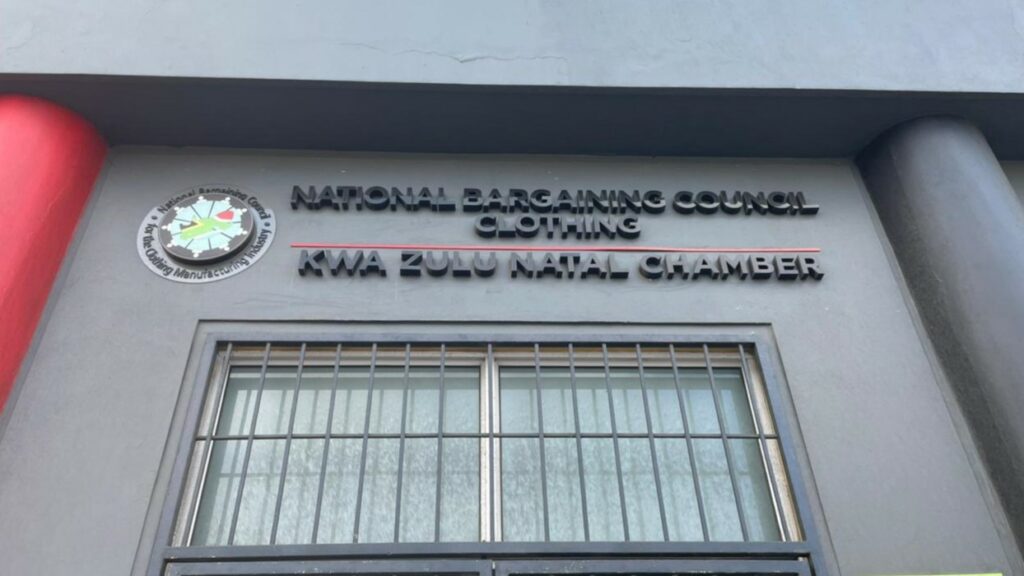
The South African clothing sector recently experienced a significant upheaval, highlighting troubling labor practices that have sparked intense debate and scrutiny. On February 6th, the allegations brought forth by Chantal Naidoo, the Secretary-General of the National Bargaining Council for the Clothing Manufacturing Industry, have thrown a spotlight on issues of worker exploitation within the industry. This article aims to dissect the implications of these allegations, the responses from various stakeholders, and the broader context of labor practices in South Africa’s fashion world.
The catalyst for this upheaval was an affidavit filed by Naidoo, which accused Drake Clothing, a manufacturer in the sector, of operating sweatshops and paying its workers less than the legally mandated minimum wage. This shocking claim has led to calls for the company’s liquidation, drawing attention not only to Drake but also to several well-known retailers, including Mr Price Group, Pep, and The Foschini Group, who have sourced products from the accused manufacturer. The legal expert’s remark that the case is “a bit ambitious” suggests that the outcome may be more complex than simply shutting down a company. The gravity of the situation, however, has already sent ripples of concern throughout the industry.
On the same day that Naidoo made her claims, another significant incident unfolded in Newcastle, located roughly 170 kilometers away from Pietermaritzburg. During a parliamentary oversight visit, Juliet Basson, a Member of Parliament from the Patriotic Alliance, published a video purportedly revealing operations inside a “Chinese sweatshop.” In the video, Basson claims that workers are being compensated at a rate of R8 per hour for grueling 19-hour shifts. This revelation has raised eyebrows and intensified scrutiny on how major retailers are sourcing their clothing.
Basson’s observations pointed toward a harsh reality; many consumers might assume that garments produced in such dire conditions are reserved for the informal market. However, she identified items bearing labels from reputable retailers such as Pick n Pay and Jet. This contradiction raises critical questions about the ethical sourcing of clothing, as it suggests that high-demand factories, despite their exploitative practices, are still supplying major chains. Basson did note that the factory she visited appeared to be more open and transparent than others, which only amplifies the urgency for deeper investigations into labor conditions across the sector.
The fallout from these revelations has prompted calls for regulatory scrutiny and compliance checks. Inspections conducted during the parliamentary visit uncovered several violations, including undocumented workers housed in inadequate living conditions and a lack of compliance with essential labor laws, like the Unemployment Insurance Act. Richard Erasmus, a lawyer for the National Bargaining Council, highlighted that out of approximately 300 clothing manufacturers in Newcastle, a staggering 92% reportedly do not hold a Certificate of Compliance, raising concerns about the widespread nature of these labor issues.
For traders and investors, this situation presents both risks and opportunities. The growing consumer awareness regarding ethical sourcing could lead to a shift in market dynamics. Companies that fail to address these labor issues may face backlash from consumers, leading to diminished sales and reputational harm. Conversely, businesses that prioritize transparency and ethical practices could position themselves favorably in a market increasingly driven by socially conscious consumers.
To navigate this evolving landscape, investors must closely monitor the developments within the South African clothing sector. Key takeaways include the importance of due diligence in supply chain management and the potential impact of public sentiment on brand loyalty. Retailers that swiftly adapt to ethical standards are likely to emerge as leaders in a changing market, while those that ignore these issues might find themselves lagging behind.
In conclusion, the recent allegations against Drake Clothing, coupled with the insights shared by MP Juliet Basson, have ignited a crucial conversation about labor practices in South Africa’s clothing industry. As consumers become more aware of the realities behind their fashion choices, the demand for ethical sourcing is expected to grow. Stakeholders across the industry must now grapple with the implications of these revelations, as the path forward will require a concerted effort to address labor violations and improve the standards under which clothing is produced. The future of South Africa’s clothing sector may very well depend on the industry’s ability to embrace transparency and ethical practices.