
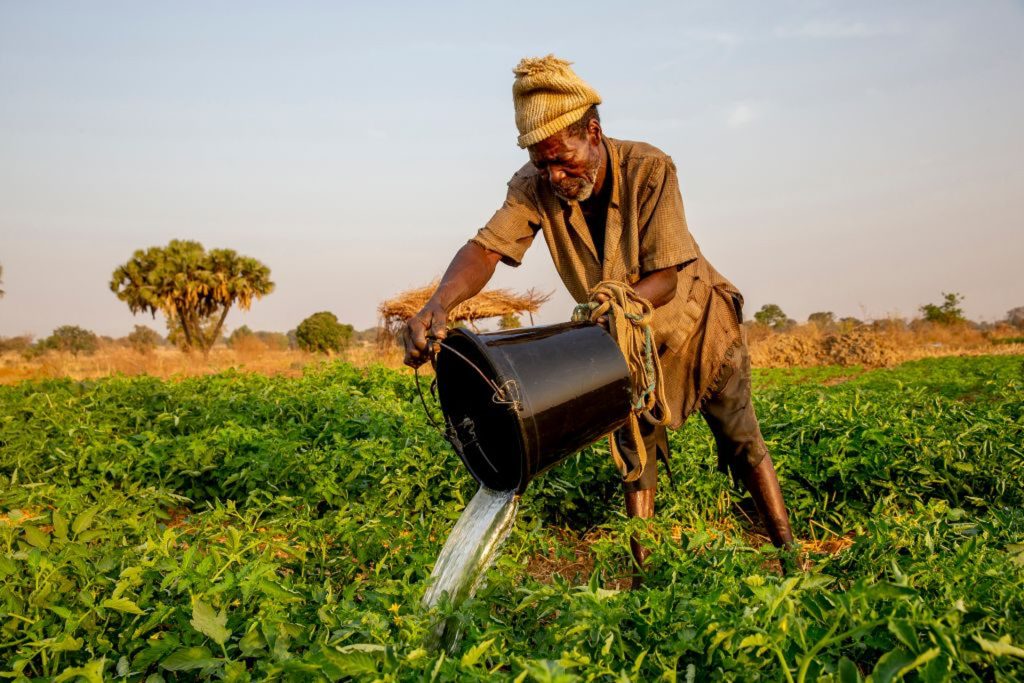
Malawi, a landlocked nation in southeastern Africa, is grappling with a multifaceted crisis that highlights the fragility of its agricultural sector. Situated among wealthier neighbors, this country is facing unprecedented challenges exacerbated by global geopolitical tensions and economic instability. As farmers prepare for the planting season, rising fuel costs and a critical shortage of fertilizers have raised alarms about food security not just in Malawi, but across the African continent. With over half of Africa’s population relying on agriculture for their livelihoods, the implications of this crisis extend far beyond national borders.
The agricultural landscape in Malawi is primarily dominated by smallholder farmers, who make up a significant portion of the country’s 22 million inhabitants. Currently, these farmers are experiencing an alarming increase in the costs of essential agricultural inputs, particularly fertilizers. The ongoing geopolitical conflicts, specifically the war in Iran, have effectively disrupted global supply chains, leading to soaring prices and limited availability of crucial resources. The Strait of Hormuz, a vital conduit for the transportation of fertilizers and fuel, has been significantly impacted, raising legitimate concerns about the future of farming in Malawi and neighboring countries.
In Malawi, the situation is dire. According to Yashodan Gharat, the country director for One Acre Fund, a nonprofit organization that supports farmers throughout Africa, the main concern this planting season is not just the rising costs but the sheer availability of fertilizers. With global demand surging and supply dwindling, it is uncertain whether fertilizers will even reach the more remote rural areas where they are desperately needed. Gharat’s remarks underline the gravity of the situation, as small markets like Malawi often struggle to compete for resources against larger economies.
The implications of this fertilizer crisis are immense. The United Nations has issued warnings about potential spikes in food prices on the continent, where many governments are ill-equipped to respond effectively. In Malawi, as in many other African nations, the agricultural sector is already vulnerable due to lower fertilizer usage compared to regions like Europe. According to Yara International ASA, this lack of fertilizer application contributes to undernourished soils, rendering farmers even more susceptible to external shocks.
As the planting season approaches, farmers in Malawi and other sub-Saharan African countries are making difficult decisions. Reports indicate that many are either skipping fertilizer altogether or limiting the areas they plan to cultivate. This trend is echoed in countries like Nigeria and Lesotho, where agricultural output is already compromised. Meanwhile, South Africa is anticipating its lowest wheat harvest in over a decade, further illustrating the widespread impact of this fertilizer shortage.
From a broader perspective, the United Nations’ Food and Agriculture Organization has highlighted the dire consequences of rising fertilizer prices across sub-Saharan Africa. The agency notes that any price increase can significantly reduce input usage among smallholder farmers, leading to diminished yields and exacerbating food insecurity. This vicious cycle threatens not only the farmers’ livelihoods but also the food supply for local communities, further inflating food prices.
Key takeaways from this unfolding crisis include the urgent need for policy interventions aimed at stabilizing agricultural input costs and enhancing supply chains for fertilizers. Governments and international organizations must prioritize strategies that can mitigate the impacts of geopolitical tensions on food security. For instance, exploring alternative sources of fertilizers, investing in local production, and improving transportation infrastructure could help alleviate some of the pressures faced by farmers in Malawi.
For traders and investors observing these developments, the situation presents both challenges and opportunities. Agricultural commodities, particularly fertilizers, are likely to experience heightened volatility as supply constraints persist. Investors may want to consider diversifying their portfolios to hedge against potential price spikes in agricultural inputs, while also keeping an eye on emerging markets like Malawi that may present opportunities for growth as they adapt to these challenges.
In conclusion, Malawi stands at a critical juncture, facing a crisis that underscores the interconnectedness of global markets and local agricultural practices. The ramifications of rising fuel and fertilizer costs are not merely economic; they threaten the very fabric of food security for millions. As the world watches, it is imperative that concerted efforts are made to support smallholder farmers and enhance the resilience of agricultural systems in Malawi and beyond. Without intervention, this crisis could deepen, leading to widespread food insecurity and economic instability across the region.