
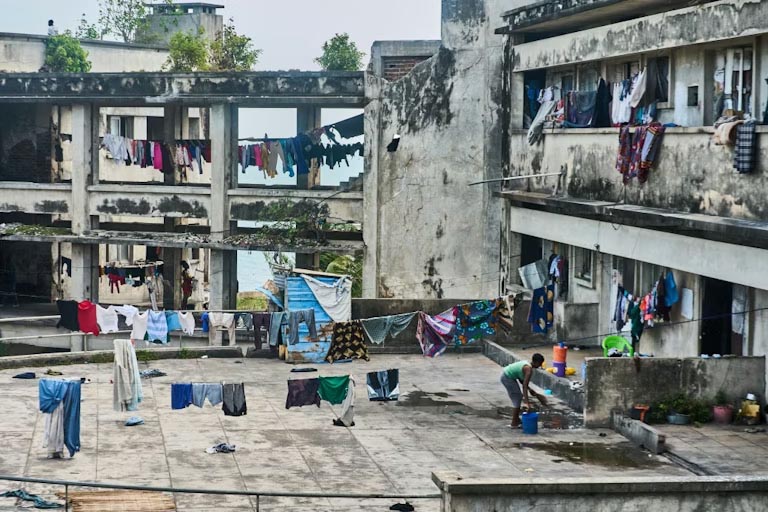
In the heart of Southeast Africa lies Mozambique, a nation rich in natural resources yet currently grappling with significant economic challenges. While it has not succumbed to a full-blown crisis marked by currency collapse or rampant inflation, the country is experiencing a slow but steady economic decline. This blog post will delve into the current economic landscape of Mozambique, exploring the underlying issues, the implications for its citizens, and potential pathways to recovery.
Over the past decade, Mozambique’s economic indicators have deteriorated sharply. An assessment by the International Monetary Fund (IMF) in early 2026 paints a concerning picture: public debt levels have become unsustainable, the external balance of payments remains weak, and policymakers find themselves with limited options to remedy the situation. While some may argue that the absence of a currency crash or hyperinflation signifies stability, the reality is that the nation faces a precarious economic environment that requires urgent attention.
Mozambique’s economy has been significantly impacted by external factors, particularly the ongoing tensions in the Middle East, which have disrupted global supply chains and led to soaring fuel prices. As a small, import-dependent economy, such shocks disproportionately affect Mozambique, exacerbating existing vulnerabilities. Drawing from over two decades of experience in economic research and policy analysis in the country, my work with the Inclusive Growth in Mozambique program has involved closely monitoring the economic performance through comprehensive surveys of firms, students, and households. The trends emerging from this data are troubling, particularly for the average Mozambican.
The socio-economic landscape of Mozambique has seen a marked increase in poverty levels alongside a decline in the quality of public services. The labor market, especially for young people, lacks robust opportunities, leading to widespread disillusionment. The key message here is clear: a strategy of merely muddling through is no longer viable. Without significant policy adjustments and a concerted effort to stimulate growth and create jobs outside of the extractive industries, which currently dominate the economic landscape, Mozambique risks an inevitable and painful economic correction under even more challenging circumstances.
At present, Mozambique finds itself in a state of vulnerable stagnation. Following the hidden debt crisis of 2016, real GDP growth outside the extractive sector has stagnated around 2%. This figure barely keeps pace with the nation’s population growth, leading to a flatlining of per capita income over the past decade. For many Mozambicans, particularly those outside the mining and gas sectors, real incomes have remained stagnant, while fiscal deficits of 4-6% of GDP have increasingly been financed through domestic banks. However, as cautioned by both the IMF and the World Bank, this dependency on domestic borrowing is nearing its limits.
The implications of this situation are dire. Mozambique’s local-currency debt was classified as ‘selective default’ by the global ratings agency S&P over a year ago, indicating that the government has struggled to meet its obligations to domestic creditors. By late 2025, the situation worsened, with arrears extending even to short-term treasury bills—government IOUs typically regarded as the safest investments in the domestic financial landscape. When a government can no longer meet its commitments, even for these instruments, it signals deep-rooted economic distress.
Key takeaways from this analysis highlight the urgent need for Mozambique to pivot its economic strategy. First, a deliberate focus on diversifying the economy away from extractive industries is critical. Second, fostering a conducive environment for investment in sectors that can generate employment and improve living standards is essential. Finally, enhancing the capacity and efficiency of public services must be prioritized to alleviate the burdens faced by ordinary Mozambicans.
For traders and investors, the current landscape presents both challenges and opportunities. The potential for growth exists in sectors such as agriculture, renewable energy, and tourism, which can help stabilize the economy while also providing jobs for the burgeoning youth population. However, investors must remain cautious and conduct thorough due diligence, as the current economic uncertainty may pose risks that could affect their ventures.
In conclusion, while Mozambique is not in a total economic crisis, the warning signs are clear. The nation’s policymakers must act decisively to address the underlying issues contributing to stagnation and seek sustainable growth avenues. For the people of Mozambique, the time for action is now; without a concerted effort to revitalize the economy and create opportunities, the nation may find itself facing a much graver economic reality in the not-too-distant future.