
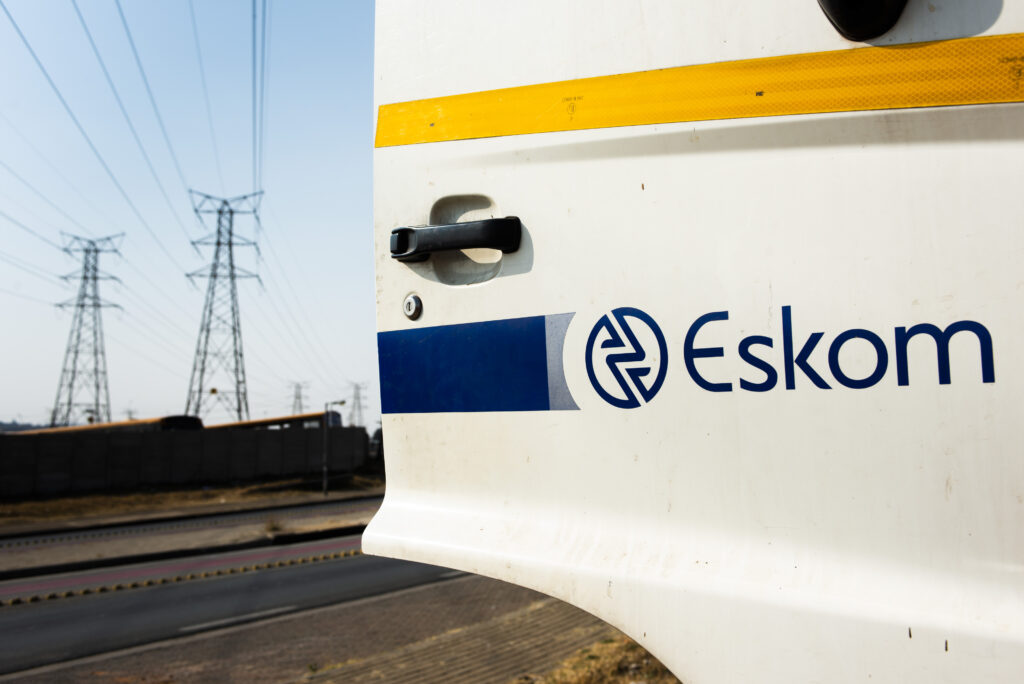
The South African power utility Eskom has recently come under scrutiny as it tightens its grip on employees linked to alleged breaches in procurement processes. This investigation stems from a serious concern surrounding a diesel procurement and storage contract crucial for maintaining electricity supply during the utility’s most challenging operational periods. As load shedding became synonymous with South Africa’s electricity woes from 2022 to 2024, Eskom’s reliance on diesel as a stopgap measure raised alarms not only about operational efficacy but also about ethical conduct within its ranks.
In March of the previous year, Eskom’s Group Investigations and Security team initiated a probe, prompted by both the monitoring of contract performance and credible whistleblower reports. The contracts in question are related to the supply of diesel fuel to Eskom’s open cycle gas turbine (OCGT) power stations, which serve as a vital resource during emergencies, particularly during peak demand times and when other generators fail.
The context surrounding this investigation is critical. From 2022 through 2024, Eskom faced unprecedented challenges, with load shedding incidents surging by a staggering 300% in 2022 alone. The year 2023 marked the most severe period of load shedding in eight years, as the utility struggled to meet the nation’s energy demands. The reliance on diesel became a double-edged sword; while it provided a necessary stopgap to avert a total collapse of the electrical grid, it also came with exorbitant costs that could not be ignored.
The preliminary findings of the investigation have already revealed troubling instances of non-compliance with Eskom’s established procurement processes. This includes a lack of adherence to regulations in both the procurement of necessary services and the management of relevant contracts. It’s important to note that Eskom also sources diesel-fired power from two independent power producer (IPP) stations. However, these arrangements are not part of the current investigation, highlighting a potential gap in oversight that could have broader implications for future governance.
In light of the interim report’s findings, Eskom has announced plans to begin disciplinary proceedings against several employees who are found to have violated procurement processes. Eskom’s board chair, Mteto Nyati, stated that additional employees may face charges once the final report is completed. The utility is also prepared to take action against suppliers who have been found complicit in breaching procurement policies. Nyati emphasized Eskom’s commitment to a zero-tolerance approach towards corruption and misconduct, pledging to recover any financial losses incurred as a result of these breaches.
The gravity of the situation extends beyond internal disciplinary measures. Eskom has escalated the matter to the Directorate for Priority Crime Investigation, and the possibility of criminal charges looms large as the investigation unfolds. The final report is anticipated to be released in June, and it is expected to provide a more comprehensive overview of the misconduct identified and the steps Eskom plans to take to rectify these issues.
For traders and investors monitoring the situation, this scandal presents several key takeaways. First, transparency and ethical governance are paramount in the energy sector, particularly for a utility as critical as Eskom. The repercussions of unethical behavior can extend beyond immediate financial losses; they can tarnish reputations and erode public trust. Stakeholders should keep an eye on Eskom’s response to these findings, as how the utility navigates this crisis could influence investor confidence and future funding opportunities.
Furthermore, the fallout from this investigation may signal a larger shift towards stricter regulatory scrutiny in the energy sector. Companies operating in this space must enhance their governance frameworks to mitigate risks associated with procurement and contracting processes. For investors, this could mean greater emphasis on due diligence before investing in the energy sector, as the potential for non-compliance issues could pose significant risks.
In conclusion, Eskom’s procurement scandal serves as a reminder of the critical importance of ethical conduct in the energy landscape. As the investigation unfolds, the potential for disciplinary actions and criminal charges may reshape not only Eskom’s internal processes but also the broader regulatory environment in which it operates. For stakeholders, the emphasis on governance and compliance could signal a turning point in how energy companies are held accountable, ultimately shaping the future of energy provision in South Africa. As the final report approaches, the eyes of the nation—and indeed the energy market—will be closely watching how Eskom responds to the challenges ahead.