
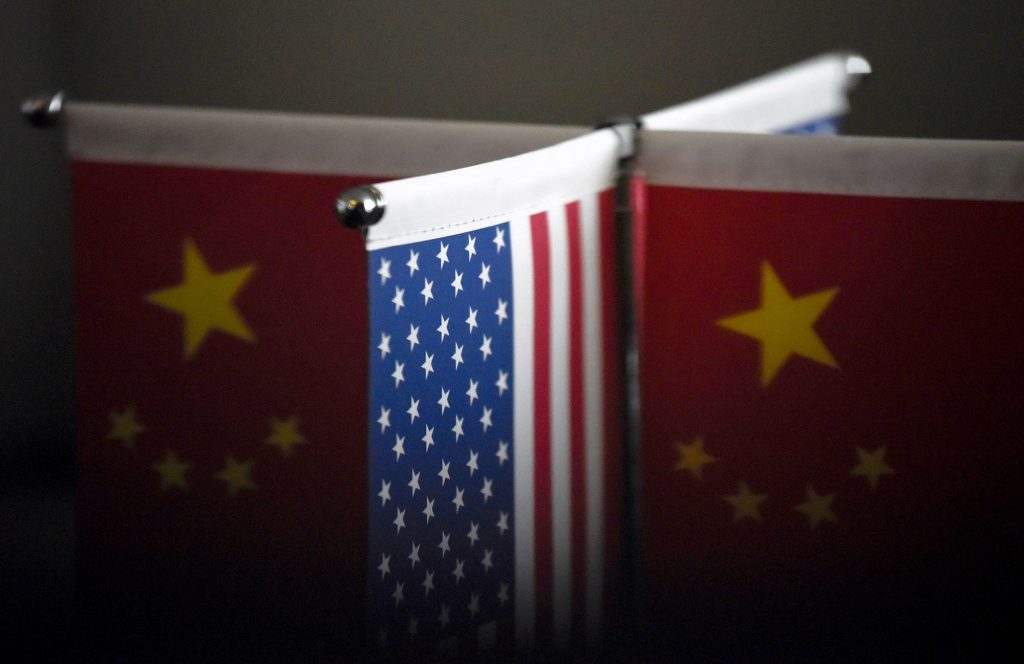
In a significant development for international trade, China has pledged to purchase a minimum of $17 billion worth of agricultural products from the United States each year through 2028. This announcement emerged from a recent summit in China attended by then-President Donald Trump, highlighting a potential shift in the dynamics of US-China trade relations. As both nations navigate complex economic landscapes, the implications of this agreement could resonate across agricultural markets and beyond.
The backdrop of this agreement involves a history of fluctuating trade relations between the US and China, marked by tariffs, trade deficits, and a series of negotiations aimed at fostering a more balanced trade environment. The recent summit marked a critical moment in these relations, with both sides expressing a willingness to work collaboratively on key issues. However, while the commitment to purchase agricultural products is promising, challenges remain in ensuring that these pledges are met.
At the core of this agreement is China’s commitment to boost its imports of American agricultural goods. This move is particularly notable given the backdrop of previous trade agreements that have faced hurdles. For instance, a prior commitment made by China to purchase an additional $200 billion in US goods over two years fell short due to various complications, including the COVID-19 pandemic and criticism regarding the feasibility of such targets. The new commitment of $17 billion in annual purchases is an attempt to build on past negotiations, but skepticism remains regarding its actualization.
Both countries have indicated a willingness to make adjustments to tariffs, with discussions on mutual reductions for certain products. However, details surrounding these tariff changes were sparse, as negotiations continue to unfold. Notably, Trump stated that tariffs were not a primary topic of discussion during his meetings with Chinese President Xi Jinping. The ambiguity surrounding tariffs adds a layer of uncertainty to the agreement, as market participants look for clarity on how these changes will affect trade flows.
One of the most significant aspects of the agreement is its potential impact on US agricultural exports. The pledged $17 billion in annual purchases is expected to include a variety of products, building on previous commitments related to soybeans and other commodities. However, recent trends indicate that China has shifted its sourcing strategies, with reports suggesting a preference for Brazilian soybeans over American products. This shift raises questions about the sustainability of the US agricultural sector’s reliance on Chinese imports and highlights the need for continuous monitoring of market dynamics.
In addition to agricultural commitments, the summit also addressed broader trade issues, including market access for US beef and poultry. China has agreed to renew import licenses for American beef, a critical move following the expiration of numerous authorizations during the trade dispute. This restoration of market access could benefit US livestock producers and enhance the overall competitiveness of American agricultural exports.
The summit also touched upon broader geopolitical issues, including Iran’s nuclear ambitions and North Korea’s denuclearization. Both leaders reaffirmed their commitment to addressing these global challenges, indicating that trade relations are intertwined with larger diplomatic efforts. This multifaceted approach underscores the complexity of US-China relations, where economic agreements cannot be viewed in isolation from geopolitical considerations.
For traders and investors, the implications of this agreement are manifold. The agricultural sector stands to benefit significantly if China follows through on its commitments, potentially leading to increased demand for US crops and livestock. However, market participants must remain vigilant regarding the evolving trade landscape, particularly in light of potential tariff changes and shifts in sourcing preferences by Chinese importers.
In conclusion, China’s commitment to purchasing $17 billion in US agricultural products annually through 2028 marks a pivotal moment in US-China trade relations. While the agreement holds promise for American farmers and traders, its success will depend on the ability of both nations to navigate the complexities of tariffs, market access, and broader geopolitical issues. As negotiations continue, stakeholders across the agricultural landscape will be closely monitoring developments, seeking to capitalize on opportunities while remaining mindful of the uncertainties that lie ahead. As history has shown, the path to successful trade relations is often fraught with challenges, and the outcomes of these discussions will be crucial in shaping the future of US-China economic ties.