
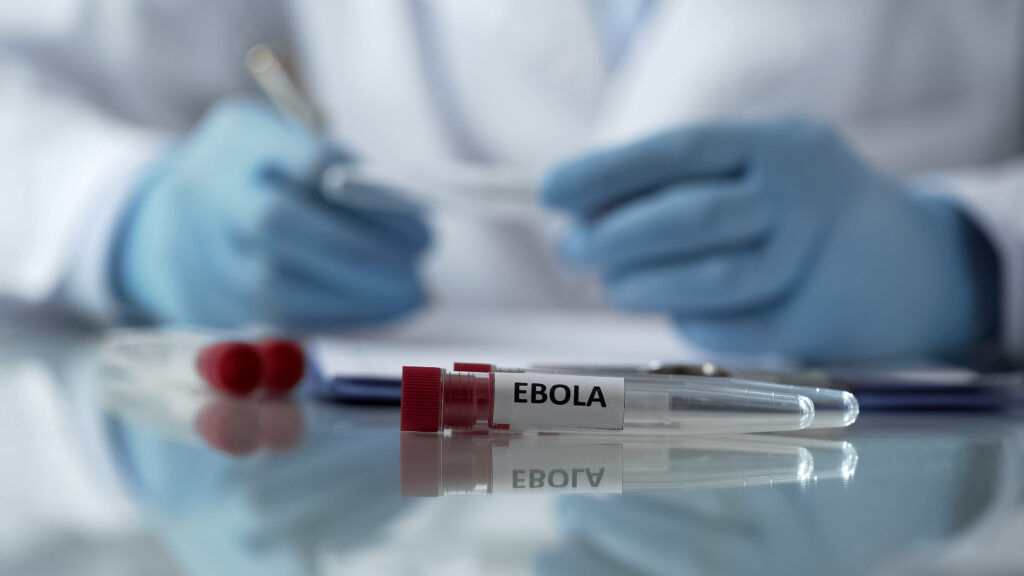
In an alarming turn of events, the World Health Organization (WHO) has classified the recent Ebola outbreak affecting the Democratic Republic of Congo (DRC) and Uganda as a public health emergency of international concern. This designation aims to galvanize support and resources to combat a rare strain of the virus, the Bundibugyo ebolavirus, which has likely been circulating undetected for weeks. With no vaccines or treatments available, the situation presents a significant challenge not only for the affected regions but for global health systems at large.
The WHO’s decision underscores the seriousness of the outbreak, particularly due to its potential for cross-border transmission. As cases have emerged in major urban centers such as Kampala and Kinshasa, the urgency for effective intervention has escalated. The circumstances surrounding this crisis highlight the vulnerabilities inherent in health care systems, especially in regions already grappling with political instability and infrastructural deficiencies.
Understanding the Complexity of the Outbreak
The emergence of Bundibugyo ebolavirus in the current outbreak marks a critical point in public health discussions. This strain has previously been linked to only two documented outbreaks. However, the current situation presents unique challenges. The WHO has reported eight confirmed cases, along with 336 suspected infections and 87 suspected deaths in Ituri province alone. As the outbreak unfolds, the extent of community transmission becomes increasingly concerning, especially considering the initial delay in detection of symptomatic cases.
One of the critical factors complicating the response is the geographical and logistical challenges present in the DRC. The significant distance between affected areas, particularly Bunia—which is about 1,700 kilometers from Kinshasa—poses considerable hurdles for aid workers who are racing against time to deliver necessary medical supplies and personnel. The closure of Goma’s airport due to ongoing conflicts has exacerbated the situation, making it difficult to transport essential resources to where they are needed most.
Key Points to Consider
1. **Cross-Border Transmission**: The outbreak spans both Uganda and the DRC, raising concerns about the potential for further spread, especially in densely populated areas.
2. **Lack of Treatment Options**: The absence of approved vaccines or treatments for the Bundibugyo strain adds a layer of urgency to the international response efforts.
3. **Insecurity and Infrastructure Challenges**: Armed conflicts in eastern Congo hinder the movement of aid and resources, complicating the response efforts.
4. **Community Transmission**: Delayed detection has likely allowed for extensive community transmission, complicating containment efforts.
5. **Healthcare Workers at Risk**: Reports of healthcare workers succumbing to the virus highlight the risks faced by those on the front lines, underscoring the need for protective measures and protocols.
Insights for Traders and Investors
For investors and traders, the current outbreak serves as a reminder of the interconnectedness of global health and economic stability. Health crises can have far-reaching implications, affecting markets, supply chains, and overall economic performance. Companies involved in health care, biotechnology, and pharmaceuticals may see increased attention as governments and organizations rush to find solutions.
Investors should also consider the potential for increased government spending on public health initiatives and emergency preparedness in response to this crisis. Such spending could benefit sectors related to health infrastructure, medical supplies, and research and development.
Moreover, the outbreak’s potential to disrupt trade and travel in the region may influence sectors reliant on these channels. Therefore, it is essential for investors to stay informed about developments in public health and their potential impact on market dynamics.
Conclusion
The declaration of a public health emergency by the WHO regarding the Ebola outbreak in the DRC and Uganda is a clarion call for both immediate action and long-term strategies to strengthen health systems. As the situation continues to evolve, the challenges posed by this outbreak highlight the need for global cooperation and investment in health security. For traders and investors, understanding the implications of such health crises can guide decision-making and foster resilience in an ever-changing economic landscape. Staying informed and prepared is key as we navigate these uncertain waters together.