
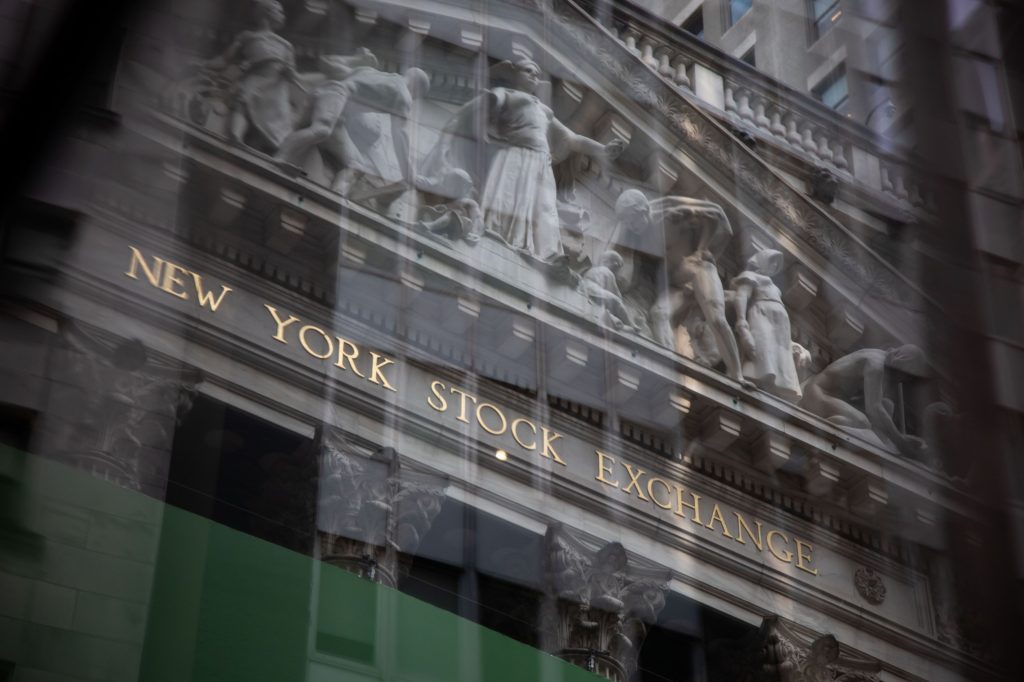
The stock market is experiencing a tumultuous ride, particularly in the technology sector, which has seen extraordinary gains over the past year. However, as investors bask in the glow of these profits, a growing number are beginning to question the sustainability of this rally. The fear of a potential market correction has led some traders to explore more sophisticated hedging strategies, including the use of exotic options. This blog post will delve into the current state of the tech stock rally, the potential signs of a bubble, and how investors can strategically position themselves to mitigate risk.
The recent surge in tech stocks, particularly within the semiconductor space, has raised eyebrows among market analysts. Many are likening the current rally to a bubble, driven by a narrow group of high-performing stocks. This concentration of gains in the tech sector prompts concern, as a market rally sustained by only a few stocks is often a precursor to volatility. This sentiment is underscored by the fact that while the market had previously been focused on tariffs and trade tensions, current anxieties are centered around inflation and rising Treasury yields, which can influence stock prices dramatically.
One of the most notable elements of this current market scenario is the way traders are responding to these fears. With the potential for a downturn looming, investors are increasingly turning to exotic options, particularly “lookback” puts. These financial instruments allow traders to set a put option’s strike price based on the highest index level during the life of the option. This characteristic makes lookback puts particularly appealing in a rising market, as they can offer better protection against a subsequent market decline, albeit at a higher cost compared to standard puts.
The demand for lookback puts reflects a broader concern among investors regarding market timing. Even if one identifies a bubble, predicting when it will burst is notoriously difficult. Neeraj Chaudhary from Bank of America noted that many clients are seeking to hedge against the possibility of a rally continuing before an eventual sell-off. The lookback put, therefore, emerges as an ideal instrument for those looking to safeguard their positions while still having exposure to potential gains in the market.
To offset the higher costs associated with lookback puts, traders are also exploring strategies involving put spreads. By purchasing a lookback put while simultaneously selling a standard put at a lower strike price, investors can reduce their overall hedging costs. This strategy not only provides downside protection but also allows for enhanced capital efficiency.
The market dynamics are further complicated by the growth of Exchange-Traded Products (ETPs), particularly those that are leveraged. These financial products have seen significant inflows, especially in the technology sector, contributing to a sense of fragility in the market. The rebalancing activities of these ETPs—where they buy additional shares when prices rise—can lead to exaggerated market movements, both on the upside and the downside. Recent reports indicate that despite some outflows from ETPs, the theoretical impact of leveraged funds on movements in the S&P 500 has surged, suggesting that these financial instruments are becoming an increasingly influential factor on market behavior.
Investors are also keeping a close eye on quantitative investment strategies, which have gained popularity as tools for managing risk in rapidly changing market environments. The effectiveness of these strategies in reacting to market shifts, such as those caused by geopolitical events or economic shocks, can be critical for maintaining portfolio stability.
In conclusion, while the tech sector continues to thrive, the current market environment is rife with uncertainty. The concentration of gains in a few stocks, the looming fears of inflation, and the pronounced impact of leveraged ETPs all point to a potentially volatile future. For traders and investors, understanding the tools available for risk management, such as exotic options, is essential in this landscape. As the saying goes, “hope for the best, but prepare for the worst.” The ability to navigate through potential downturns while still capitalizing on upward movements will be the key to successful investing in the coming months.