
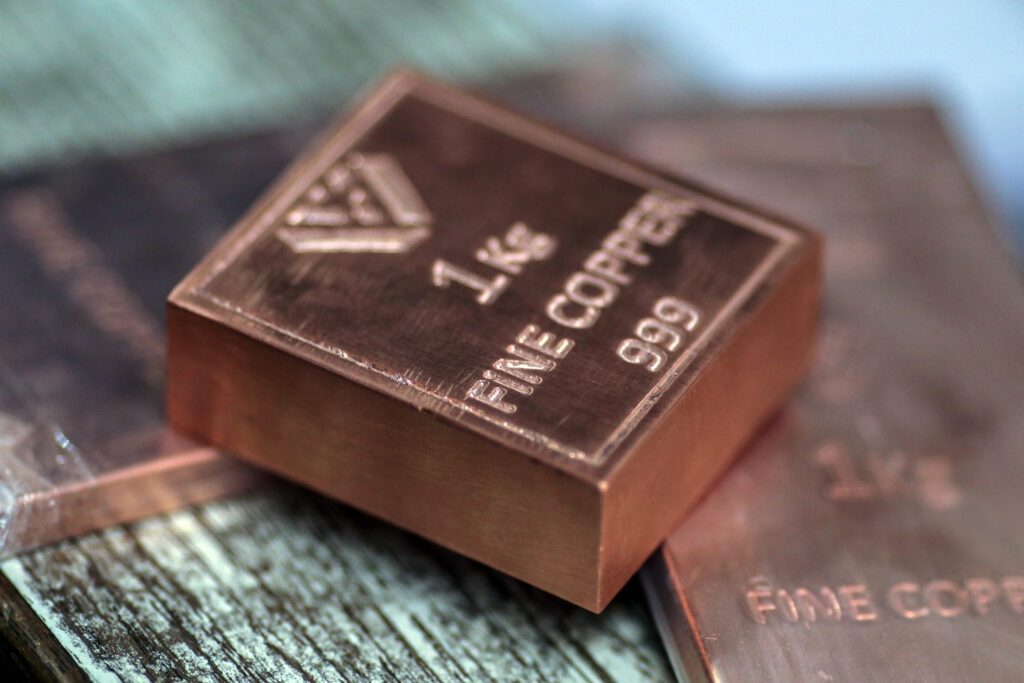
In the ever-shifting landscape of commodities trading, copper has found itself on the back foot recently, caught in the crosshairs of growing inflation concerns heightened by geopolitical tensions and disappointing economic data from one of its largest consumers, China. As we delve into the factors behind copper’s price movements and the broader implications for investors and traders, it’s essential to understand how interconnected global events can influence the commodities market.
The price of copper has experienced a notable decline, dropping as much as 1.2% in early trading to $13,394.50 per ton. This downturn follows a more than 4% drop over the previous two sessions. Despite this recent slump, it’s important to highlight that copper is still up approximately 9% year-to-date, reflecting a strong rally earlier in the year, particularly alongside the surge in technology stocks worldwide. However, the current bearish sentiment in the market is tied to several key factors, particularly political instability and economic performance indicators.
One significant contributor to the current pressures on copper prices is the ongoing conflict involving Iran. U.S. political dynamics, particularly the renewed threats from President Donald Trump against Iran, have exacerbated concerns in global markets. As the two sides remain entrenched in their positions regarding a potential agreement to end hostilities and stabilize shipping routes, such as the vital Strait of Hormuz, the uncertainty surrounding oil prices is palpable. The uptick in crude oil prices, which saw Brent crude rise by 1.8% to $111.21 a barrel, is likely to prompt central banks to reconsider their monetary policies to combat inflation, which in turn can dampen demand for industrial metals like copper.
Moreover, China’s economic indicators present a worrying picture for copper demand. Recent data revealed unexpected declines in fixed-asset investment, along with retail sales and industrial output that fell short of market expectations. These figures signal potential weaknesses in the Chinese economy, which is a crucial driver of copper demand given its extensive use in construction and manufacturing. As copper prices react to these economic signals, it becomes clear that investor sentiment is closely tied to broader economic health, especially in major consuming nations.
Key points to consider include the interplay between geopolitical tensions and commodity prices, the role of central bank policies in shaping market sentiments, and the impact of economic performance indicators on demand for industrial metals. Traders must be mindful of these factors as they navigate the volatile landscape of commodity trading.
For investors, the current climate presents both challenges and opportunities. While the immediate outlook may seem bleak due to the pressure on copper prices, the year-to-date performance indicates resilience in the metal’s long-term value proposition. Investors should remain vigilant, balancing their portfolios with an awareness of geopolitical developments and economic trends. Diversification into other commodities or sectors may also prove beneficial in mitigating risks associated with volatility in copper prices.
In conclusion, the copper market is currently facing significant headwinds from geopolitical tensions and disappointing economic data, particularly from China. As prices fluctuate, traders and investors must stay informed about global events and economic indicators that can influence demand and pricing. While the current downturn may seem concerning, it’s essential to view these developments within a broader context, recognizing that commodities like copper have historically demonstrated resilience over time. By keeping an eye on the evolving landscape, investors can position themselves strategically to navigate these challenges and seize potential opportunities in the commodities market.