
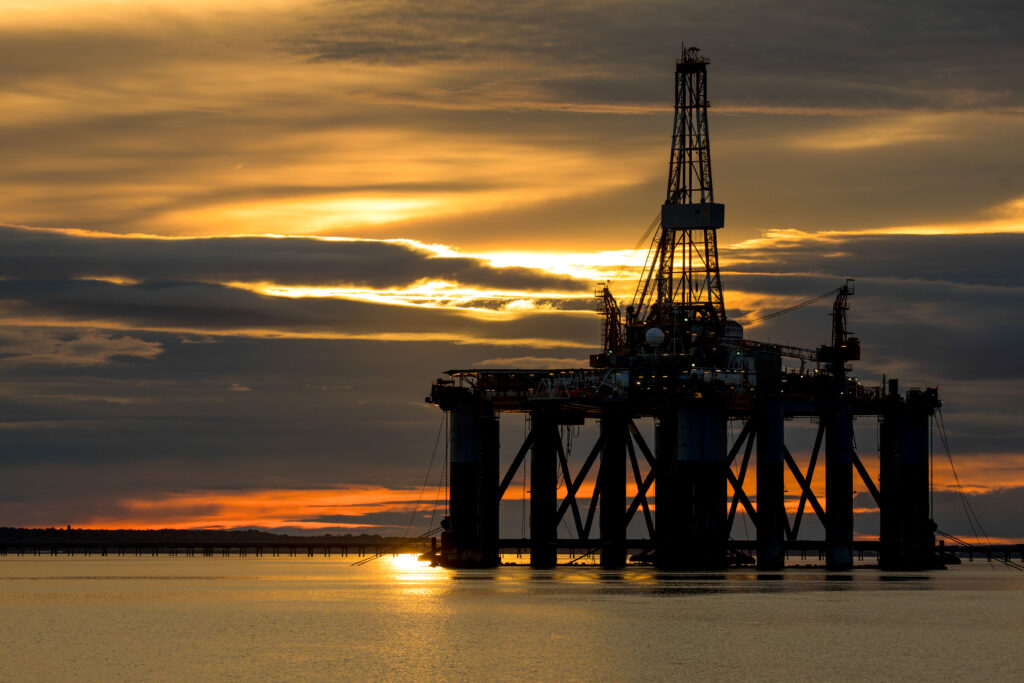
The financial landscape is constantly evolving, and one of the most significant fluctuations currently influencing global markets is the rise in oil prices, driven largely by geopolitical tensions in the Middle East. As we delve into the factors at play, it is crucial for traders and investors alike to understand how these developments could impact their portfolios.
Recent events have seen oil prices climb for a third consecutive day, with Brent crude surpassing $111 per barrel, following an impressive increase of nearly 8% last week. West Texas Intermediate (WTI) has also seen a notable rise, approaching $108 per barrel. This surge is primarily attributed to ongoing tensions between the United States and Iran, exacerbated by President Donald Trump’s demands for a resolution to the conflict that has lingered for weeks.
The Strait of Hormuz, a pivotal waterway for global oil transportation, has become a focal point in this geopolitical drama. The current situation is precarious, with diminished oil flows from Persian Gulf producers due to fears of potential disruptions. According to analysts at Morgan Stanley, the market is facing a “race against time,” as sustained closures of this vital route could lead to further price increases.
Key Insights into the Oil Market Dynamics
Several factors are contributing to the current rise in oil prices. First and foremost is the ongoing conflict between the United States and Iran, which has seen both nations unwilling to compromise on key issues. Trump’s recent remarks on social media emphasized the urgency for Iran to engage in negotiations, stating that “the clock is ticking.” This rhetoric has only intensified concerns about the stability of oil supplies from the region, which is critical for global energy markets.
Charu Chanana, chief investment strategist at Saxo Markets in Singapore, noted that while there have been numerous headlines touting potential solutions, no credible mechanisms have emerged that would alleviate the risks associated with the Strait of Hormuz. Consequently, the “risk premium” associated with oil prices is likely to remain high, reflecting the ongoing uncertainties in the market.
Compounding these issues is the expiration of a waiver allowing Russian crude sales, which has further tightened supply. Despite requests from countries like India for extensions of this waiver, the decision to let it lapse has added another layer of complexity to the oil market.
The recent targeting of energy facilities in the Persian Gulf, including a drone attack that caused a fire at a nuclear facility in the United Arab Emirates, highlights the fragility of the current ceasefire. Reports indicate that both the U.S. and Iran remain far apart in their negotiations, with Iranian media suggesting that the U.S. has not offered any significant concessions, which could prolong the stalemate.
Investor Insights: Navigating the Oil Market
For traders and investors, the current climate presents both opportunities and challenges. Understanding the geopolitical landscape is essential when making decisions related to oil investments. The heightened volatility in oil prices driven by these tensions means that investors should be cautious but also vigilant for potential opportunities.
One strategy could involve closely monitoring developments in negotiations between the U.S. and Iran. Any breakthrough in talks could lead to a stabilization of oil prices, while continued hostilities could further escalate costs. Furthermore, diversification within energy investments may also be prudent, as reliance on a single commodity can expose investors to unnecessary risk.
In addition, keeping an eye on alternative energy developments can provide a hedge against traditional oil investments. As global energy consumption patterns shift, sectors such as renewables may offer growth potential during turbulent times in the fossil fuel market.
Conclusion
The rise in oil prices amid geopolitical tensions in the Middle East underscores the intricate relationship between global events and market dynamics. As the situation evolves, traders and investors must remain informed and agile, ready to adapt their strategies to the shifting landscape. While the current climate presents challenges, it also offers opportunities for those willing to navigate the complexities of the oil market thoughtfully. By staying attuned to developments and leveraging strategic insights, investors can position themselves effectively in this volatile environment.