
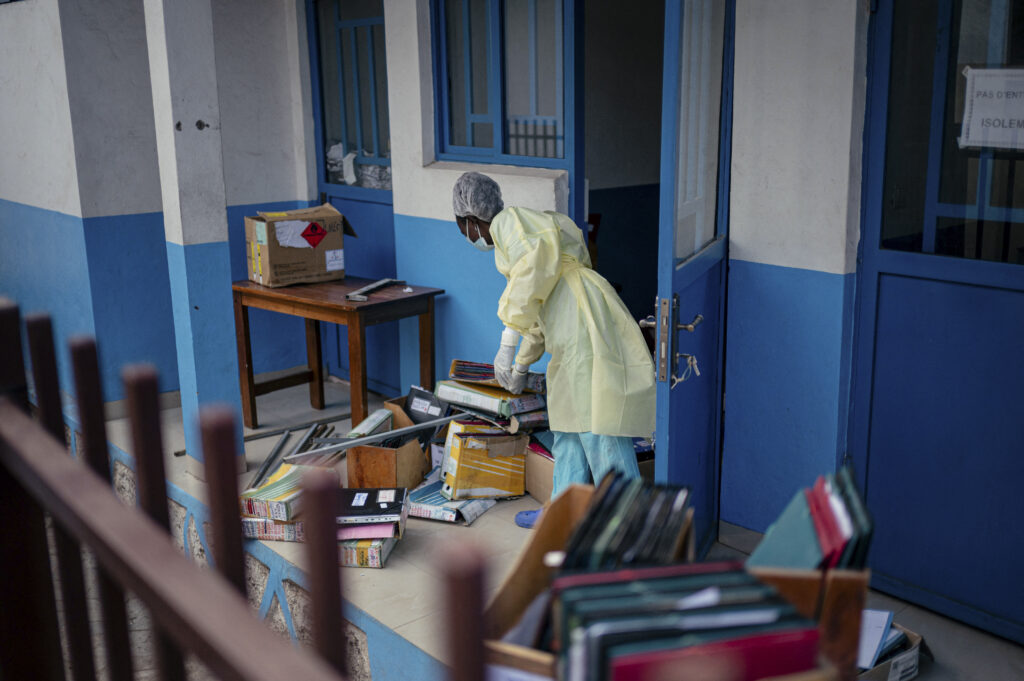
The recent outbreak of the Ebola virus in northeastern Congo has highlighted the critical challenges faced by health systems in regions where numerous infectious diseases coexist. This situation serves as a stark reminder of the importance of swift detection and response mechanisms in combating deadly viruses. With 350 suspected cases and 91 confirmed deaths reported, the outbreak raises significant concerns not just for Congo but for neighboring countries as well.
In an environment where diseases like malaria and typhoid are prevalent, distinguishing between these common illnesses and a rare yet deadly virus like Ebola becomes a monumental task. Health Minister Roger Kamba has emphasized the urgency of the situation, warning that hospitals in the region are already overwhelmed. The outbreak is believed to have originated in April and has since spread to Uganda, where two cases have been confirmed, including one fatality.
The current outbreak is attributed to the Bundibugyo strain of the Ebola virus, which has received far less attention than the Zaire strain that triggered the catastrophic West African epidemic from 2013 to 2016. During that period, the Zaire strain was the focus of extensive vaccine development efforts, resulting in effective treatments and preventive measures. In contrast, Bundibugyo has triggered only two previous outbreaks and lacks an approved vaccine or antibody treatment, making the current situation even more precarious.
The symptoms of Ebola, which include fever, weakness, headache, vomiting, and diarrhea, overlap with those of malaria and other common tropical diseases. This similarity complicates the diagnostic process, particularly in clinics that are already operating under strained conditions. The Africa Centres for Disease Control and Prevention has indicated that the first suspected case was a nurse in Bunia who began showing symptoms on April 24. The delay in identifying the outbreak, which reportedly took four weeks, raises alarms for international health authorities.
In response to the evolving crisis, the World Health Organization (WHO) has declared the outbreak a public health emergency of international concern. This decision aims to expedite international funding, coordination efforts, and emergency responses. The WHO’s declaration was prompted by several factors, including the cross-border spread of the virus, unexplained fatalities, infections among healthcare workers, and the uncertainty regarding the outbreak’s true scale.
One of the most pressing challenges is the inadequacy of rapid Ebola tests in detecting the Bundibugyo strain. Initial tests for the more common Zaire strain returned negative results, delaying the identification of Bundibugyo until May 14. This highlights a critical gap in diagnostic tools that could hinder timely isolation and contact tracing efforts. Experts like virologist Robert Garry have pointed out that without accurate testing capabilities, the outbreak’s containment will be significantly hampered.
Key takeaways from this outbreak include the urgent need for enhanced surveillance systems in regions susceptible to multiple infectious diseases. Countries must invest in robust healthcare infrastructure that can quickly adapt to emerging threats. Moreover, the global health community must prioritize research on less-studied strains of viruses like Bundibugyo to develop effective vaccines and treatments.
For traders and investors, this outbreak serves as a stark reminder of the interconnectedness of global health and economic stability. Areas plagued by infectious diseases often experience disruptions in trade, tourism, and investment, leading to broader economic implications. Investors should be aware of the potential risks associated with investing in regions that may become unstable due to health crises.
In conclusion, the Ebola outbreak in northeastern Congo underscores the urgent need for a global response to infectious diseases, especially in regions where healthcare systems are already stretched thin. The situation calls for a reevaluation of how we approach disease detection and response, emphasizing the importance of timely interventions and the development of effective treatments. As the world grapples with this crisis, it serves as a potent reminder of the necessity for global collaboration in safeguarding public health and preventing future outbreaks.