
The world of finance is a constantly shifting landscape, one that is often influenced by geopolitical events and economic indicators. Recently, the emerging-market carry trade has captured the attention of investors as it experiences a notable rebound following the disruptions caused by the conflict in Iran. With rising crude oil prices reinforcing expectations for sustained high interest rates, emerging markets—particularly those rich in commodities—are finding themselves in a more favorable position. This blog post delves into the details surrounding this resurgence, its implications for investors, and the insights that can be gleaned from the current market dynamics.
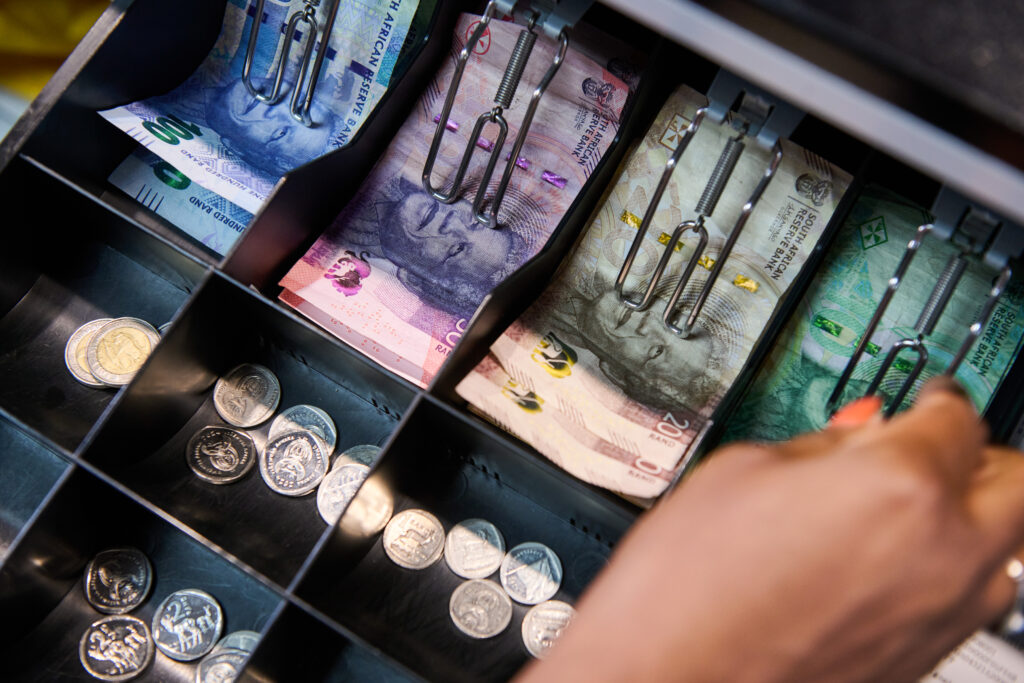
At its core, the carry trade involves borrowing in a currency with low interest rates and investing in a currency with higher yields. This strategy has traditionally attracted traders seeking to profit from the interest rate differentials between developed and emerging markets. As of late, an index that tracks this carry trade strategy has shown a significant increase, climbing approximately 2.6% since its lows in March and 1.2% since the onset of conflict in late February. This resurgence is particularly linked to the performance of several emerging market currencies, including the Brazilian real and the South African rand, which have benefited from elevated commodity prices.
The recent spike in crude oil prices can be viewed as a double-edged sword for emerging markets. Initially, the uncertainty surrounding geopolitical issues led to a flight to safety, with many investors retreating from riskier assets. However, as the situation evolved, there has been a noticeable shift back toward growth-oriented investments. Higher oil prices are expected to prompt central banks to adopt tighter monetary policies to counter inflation, enhancing the appeal of real interest rates in emerging markets. These real rates, which are adjusted for inflation, become particularly attractive for investors looking for yield in an environment of rising prices.
Jason Devito, a senior portfolio manager for emerging market debt at Federated Hermes, notes that the emerging-market carry trade is likely to thrive amidst this backdrop of higher real rates aimed at combating inflationary pressures. While there are varying degrees of impact across different markets, countries like Brazil have shown resilience and are supported by credible central bank policies. As such, the winners—those nations that stand to benefit from higher oil prices—are positioned well, while the losers have implemented measures to mitigate the negative impacts of volatile commodities.
In terms of market metrics, trader sentiment has reflected a growing confidence in the sustainability of elevated oil prices. Data from Bloomberg indicates that the average of 12-month interest-rate swaps from fourteen emerging-market economies has risen from 5% to 5.7% since the onset of the conflict, signaling a shift in expectations regarding future monetary policy. Additionally, the volatility of emerging market currencies has remained relatively low, with a recent measure showing a drop in one-month forex volatility to 7%, down from a peak of 9.23% in mid-March. This reduced volatility is beneficial for carry traders, as it minimizes the risk associated with currency fluctuations that could otherwise erode profit margins.
Some individual currency pairs have showcased remarkable returns during this period. For instance, a strategy that involved borrowing in the Swiss franc to invest in the Brazilian real yielded returns of 6.65% since late February. Similarly, borrowing in yen while investing in the Turkish lira returned an impressive 7%. Such performances highlight the potential for lucrative opportunities within the carry trade, particularly for savvy investors who can navigate the complexities of emerging market dynamics.
Looking ahead, the current market environment appears to be favorable for the emerging-market carry trade. Homin Lee, a strategist at Lombard Odier in Singapore, emphasizes that the Federal Reserve’s likely stance under Kevin Warsh will not lean more hawkish, which further supports the case for emerging market currencies. Among these, the Brazilian real stands out as a promising investment, as it is well-positioned to withstand ongoing disruptions in the energy market while also capitalizing on post-conflict recovery prospects.
In conclusion, the recovery of the emerging-market carry trade amidst geopolitical tensions and rising crude oil prices presents a compelling opportunity for investors. With the potential for sustained high real interest rates and a favorable environment for currency investments, traders should carefully consider their strategies and remain informed about market developments. As always, while opportunities abound in emerging markets, investors must remain vigilant and prepared to adjust their approaches to navigate the complexities of the global financial landscape.