
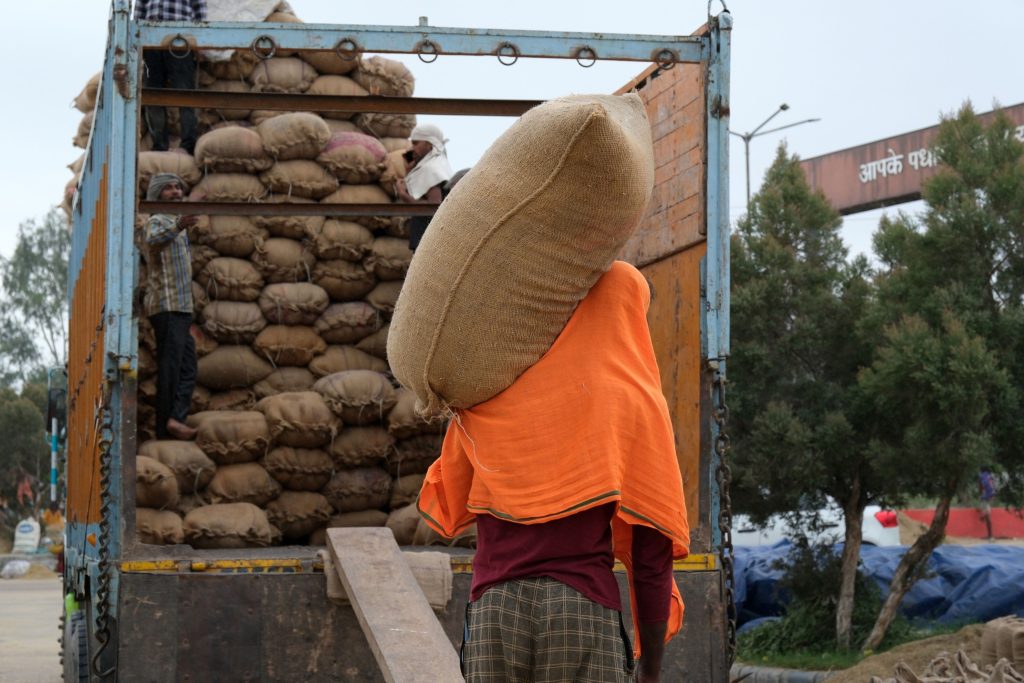
As financial markets fluctuate and global economic conditions evolve, one often-overlooked factor can have a profound impact: weather patterns. In particular, the El Niño phenomenon, a climate pattern that can bring about significant changes in weather, is once again taking center stage. According to market strategist Casey Sprake from AG Capital, there is a strong likelihood—over 70%—that El Niño will develop by late 2026. This warning carries substantial implications for agriculture, food prices, and consumers alike.
Understanding El Niño is crucial for investors and traders alike, as its effects ripple through various sectors. This climatic event is characterized by the warming of ocean waters in the central and eastern Pacific, which can affect weather systems globally. In regions like South Africa, El Niño has historically resulted in drought conditions, which can devastate crop yields. For farmers and the agricultural sector, such predictions introduce a layer of risk that must be carefully monitored.
One of the most pressing concerns highlighted by Sprake is the current state of wheat production in South Africa. The country has recently witnessed a decline in wheat plantings, reaching an 11-year low. This is a critical development considering that South Africa produces only about half of its domestic wheat requirements, relying heavily on imports to meet the remaining demand. With rising input costs and structural vulnerabilities in agriculture, the pressure on local farmers is mounting.
The situation becomes even more concerning when considering the broader implications for consumers. As wheat prices rise due to diminished local supply and increased reliance on imports, consumers can expect to feel the pinch at the grocery store. The interplay of supply and demand in the wheat market serves as a “structural canary,” signaling potential inflationary pressures on food prices. Higher wheat prices will likely translate to increased costs for various products, from bread to pasta, further straining household budgets.
Despite current favorable supply conditions—such as a record maize harvest of 16.8 million tonnes—these circumstances may only be temporary. Presently, South Africa’s food Consumer Price Index (CPI) is relatively stable, sitting at 3.6%. However, as Sprake warns, this calm may be “borrowed time.” The transition from two consecutive La Niña seasons, which typically bring above-average rainfall, to the anticipated El Niño could lead to a significant shift in weather patterns. Such changes might not manifest immediately but are expected to influence agricultural output within the next six months to a year.
For traders and investors, this information is critical. The agricultural sector can be highly volatile, and understanding weather patterns is essential for making informed decisions. While current crop yields may be stable, the forecasted shift in climate could result in sudden price spikes and supply shortages. Investors should keep a close eye on market trends in response to weather forecasts and agricultural reports, as these factors can significantly impact commodity prices and shares of agribusiness companies.
Moreover, it’s essential for stakeholders in the agricultural supply chain to prepare for potential scenarios. Farmers may need to revise their planting strategies and consider alternative crops that may be more resilient to changing weather conditions. On the other hand, consumers should be aware of the potential for rising food prices and may want to adjust their budgets accordingly.
In conclusion, the looming threat of El Niño is not just a meteorological concern; it carries significant economic implications for agriculture and food prices. With a potential for drought conditions looming by late 2026, the agricultural sector must brace itself for the challenges ahead. As we navigate these uncertain waters, staying informed and adaptable will be key. For both traders and consumers, understanding the interplay between weather patterns and market dynamics will be crucial for mitigating risks and making sound financial decisions in the face of a changing climate.