
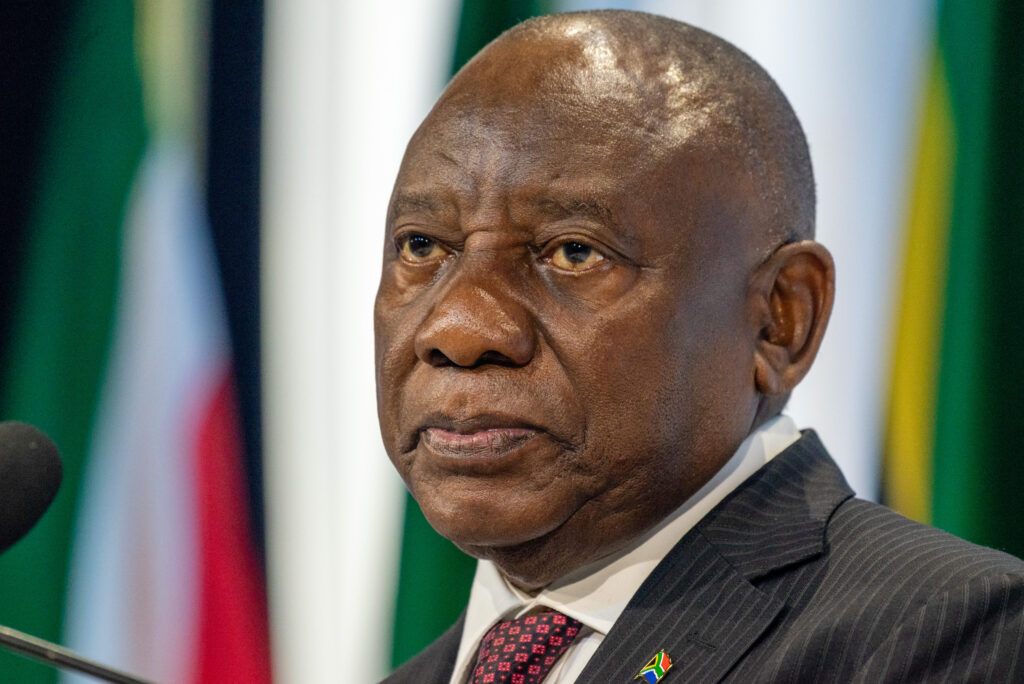
In recent months, South Africa has become a focal point for both domestic and international investors, showcasing a robust strategy to attract capital. The country has hosted a series of significant investment summits, including forums in Brazil and Spain, as well as the sixth South Africa Investment Conference and an Infrastructure Investment Summit organized by BlackRock. These events serve not only as platforms for networking but also as crucial opportunities to demonstrate the potential for investment in various sectors within the nation.
Understanding the Current Investment Climate
The current global landscape for investment has become increasingly competitive, and South Africa is positioning itself as an attractive destination for foreign direct investment (FDI). The government’s strategy is centered around engaging with investors to connect them with local opportunities, thereby fostering partnerships between the government, businesses, banks, and development finance institutions. These engagements are strategic moves aimed at restoring confidence in South Africa’s economic prospects, showcasing the country as a viable option for investment.
Since the inception of the national investment drive in 2018, South Africa has made significant strides in attracting investments across various sectors such as energy, telecommunications, infrastructure, automotive, mining, and advanced manufacturing. The government has successfully secured pledges totaling R1.5 trillion, of which R634 billion has already been utilized in projects that range from factories and data centers to power plants and infrastructure development. This influx of capital not only facilitates economic growth but also plays a vital role in job creation.
Highlighted Investments Supporting Economic Growth
Several notable investments demonstrate the potential of South Africa as an investment hub. For instance, BMW’s R4.2 billion commitment to electrify its Rosslyn plant in Gauteng reflects the automotive giant’s confidence in the country’s capabilities to support new energy vehicle production. Similarly, Tetra Pak’s R500 million investment to upgrade its facility in KwaZulu-Natal further underscores the attractiveness of the local manufacturing sector.
Moreover, the new Corobrik Kwastina plant, also valued at R500 million, is expected to enhance local employment opportunities while contributing to the nation’s infrastructure. The Port of Durban’s Newlyn PX terminal, which commenced operations recently, marks another significant investment milestone that is anticipated to bolster trade and logistical capabilities.
Investor Insights on Skills Development
Beyond mere capital investment, these initiatives have broad implications for skills development among South Africans. Companies like Microsoft are leading the charge in equipping the workforce with essential skills needed in today’s digital economy. With a substantial investment of R5.4 billion aimed at expanding cloud and AI infrastructure in South Africa by 2027, Microsoft has partnered with the Youth Employment Service (YES) to provide youth with globally recognized certifications in high-demand skills related to artificial intelligence. This collaboration emphasizes the importance of aligning educational initiatives with market needs, thus preparing the younger generation for the evolving landscape of work.
Key Takeaways for Investors and Traders
1. **Long-term Commitment**: Investment in South Africa requires a long-term vision. The transition from pledges to substantial growth and job creation is not instantaneous, particularly in sectors where development cycles span multiple years.
2. **Diverse Opportunities**: The variety of sectors attracting investment—from automotive to technology—highlights the diverse opportunities available for both local and international investors.
3. **Government Support**: The South African government is actively involved in creating an environment conducive to investment, which enhances the overall business climate and boosts investor confidence.
4. **Focus on Skills Development**: As investments pour in, there is a parallel emphasis on developing the local workforce, ensuring that skills align with the needs of modern industries.
Conclusion: A Bright Future for Investment in South Africa
The recent high-profile engagements and investment commitments signal a positive trend for South Africa’s economic future. As the nation continues to attract significant capital across various sectors, the focus on job creation and skills development will play a pivotal role in shaping a robust economic environment. For investors and traders, this is a prime opportunity to engage with a market poised for growth, backed by a government committed to fostering investment and economic resilience. As the landscape evolves, those who position themselves strategically in South Africa may reap substantial rewards in the years to come.