
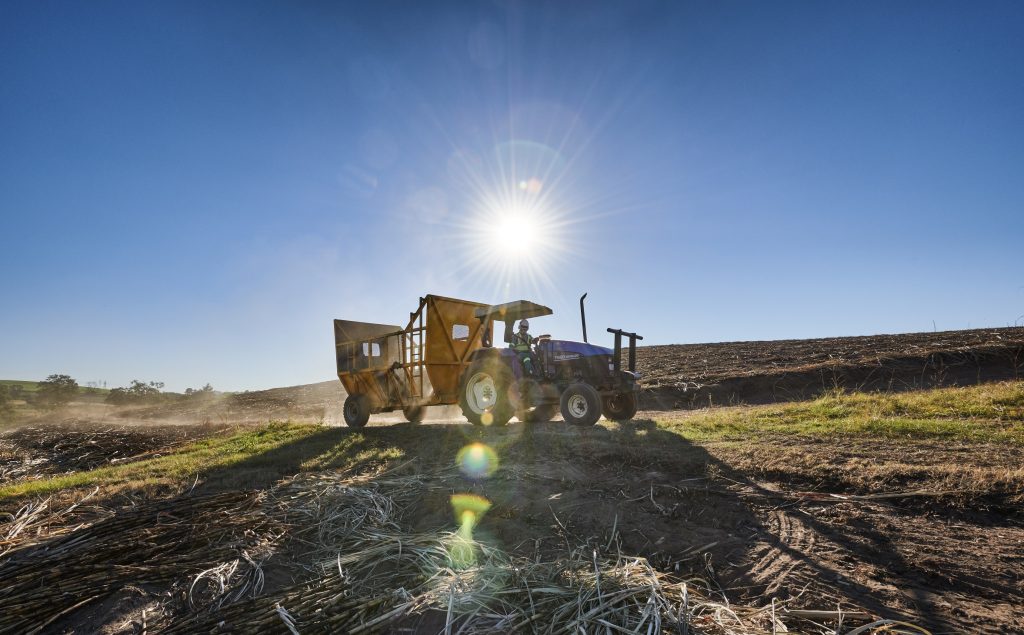
The sugarcane industry in South Africa is experiencing a renewed vigor as the 2026/27 milling season begins, showing promising early results that signal resilience among growers. This year, early deliveries of sugarcane have exceeded the previous year’s figures, offering a glimpse of hope amidst ongoing uncertainties. With various dynamics at play, including challenges related to imports and the situation surrounding major mills, understanding the landscape of this vital industry is essential for investors and stakeholders alike.
The South African Canegrowers Association has reported an astonishing 48% increase in raw sugarcane deliveries to mills compared to the same period last year. This statistic reflects not just the productivity of the nation’s 28,000 sugarcane farmers but also their ability to adapt to a rapidly evolving market that presents both opportunities and challenges. While most sugar mills have commenced operations, the fate of Tongaat Hulett’s mills remains uncertain, as they are expected to begin operations in the coming weeks after receiving temporary operational funding.
In recent times, Tongaat Hulett has been at the center of significant scrutiny, struggling with financial distress and the looming threat of liquidation. The company, which relies on about 18,000 local growers, has been given a lifeline in the form of R200 million from the Industrial Development Corporation (IDC) to support its operations as negotiations continue to avert liquidation. However, uncertainty still clouds the long-term viability of the mills, with crucial court discussions slated for June 17. The industry hopes that the delayed start for Tongaat’s growers will not deter them from achieving a successful season.
Despite these promising early statistics, the sugarcane industry is grappling with a challenging reality—the influx of imported sugar that threatens to overshadow local production. Countries such as Brazil, Thailand, and India have been flooding the South African market with sugar, which impacts local growers significantly. The Canegrowers Association warns that for every ton of imported sugar, the local industry incurs a loss of over R7,500. In March of this year alone, South Africa saw 16,000 tonnes of sugar imports, which was double the amount from the same month last year. This trend raises concerns that the industry could face another difficult year if imports continue to rise unchecked.
This situation underscores the pressing need for a reassessment of the current sugar tariff mechanism, which many believe is outdated and ineffective in shielding local producers from heavily subsidized international competition. The International Trade Administration Commission of South Africa (Itac) is currently reviewing these tariffs in hopes of providing a more equitable framework for local growers to thrive.
One key takeaway from this season’s early performance is the resilience of South African sugarcane growers. In the face of adversity, these farmers have demonstrated a remarkable ability to adapt and thrive, even as they deal with external pressures. The recovery of the Gledhow sugar mill also offers a beacon of hope, providing much-needed support to the industry. As growers and mills navigate this complex landscape, their success will depend on a combination of local production efforts and strategic advocacy for better protective measures against imports.
For traders and investors, the unfolding narrative of the South African sugarcane industry presents a dual-edged sword. On one hand, the early season performance signals potential growth and recovery; on the other hand, the ongoing challenges posed by imports and the uncertain fate of key players like Tongaat Hulett warrant caution. Investors should closely monitor developments around the tariff reviews and any governmental support that may emerge to bolster the local industry.
In conclusion, as the 2026/27 sugarcane milling season unfolds, South Africa’s sugar industry stands at a crossroads. While early signs of recovery are promising, the challenges posed by imports and financial instability within key mills cannot be overlooked. The resilience of growers, coupled with strategic industry advocacy, will play a crucial role in shaping the future of this vital sector. Stakeholders must remain vigilant and proactive in addressing these challenges to ensure that South Africa’s sugarcane industry can thrive not just for this season, but for many more to come.