
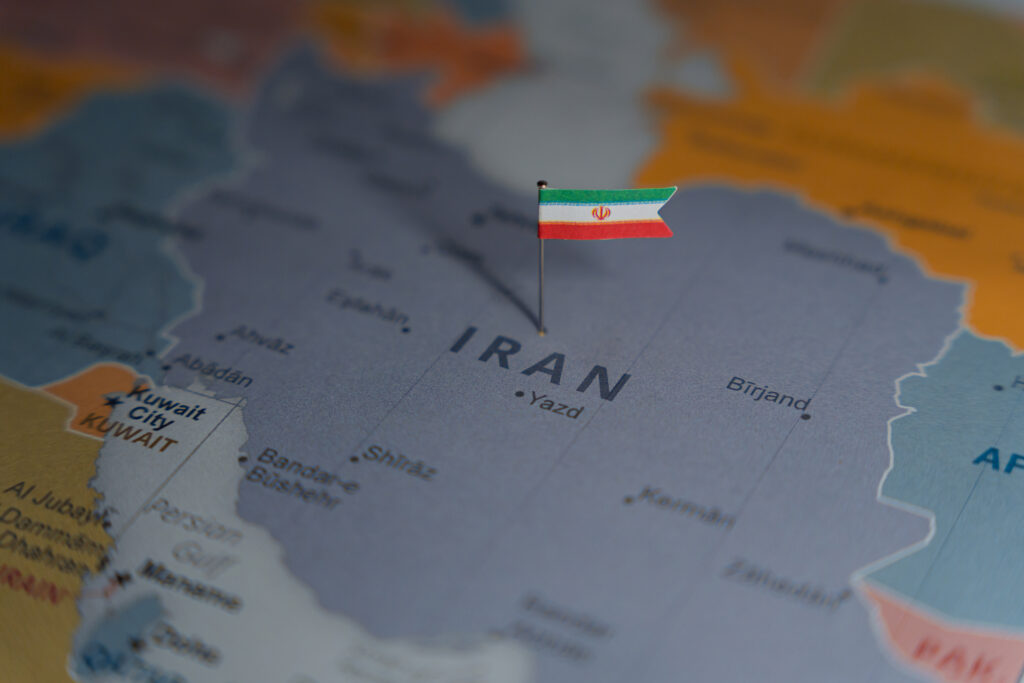
In an increasingly interconnected world, the repercussions of geopolitical conflicts extend far beyond national borders. Recent events surrounding Iran and the United States have underscored the intricate relationship between military tensions and economic stability, particularly in the context of oil markets. This blog post delves into the recent developments regarding U.S.-Iran relations, the implications for oil prices, and insights for investors navigating these turbulent waters.
The backdrop of this situation is marked by President Donald Trump’s announcement of a last-minute decision to cancel a planned military strike against Iran. The cancellation came after appeals from leaders of key Persian Gulf allies, including Saudi Arabia, Qatar, and the United Arab Emirates. These leaders urged caution, advocating for more time to explore diplomatic avenues in resolving the ongoing conflict. Despite the president’s indication that the U.S. remains prepared for military action, the current focus appears to be on negotiation rather than confrontation.
The diplomatic landscape remains fraught with tension, as both the U.S. and Iran have signaled a willingness to engage in talks but are at an impasse over critical issues. The U.S. administration has expressed dissatisfaction with Iran’s proposals, particularly concerning the country’s stockpile of highly enriched uranium and its further enrichment activities. Conversely, Iran insists on the return of its frozen assets and compensation for the economic consequences of the ongoing conflict, highlighting a significant gap between the two parties’ positions.
From an economic perspective, these tensions have direct implications for global oil markets. As the situation escalates, the threat of military action raises concerns about the stability of oil supplies from the Persian Gulf—a region critical to global energy security. High oil prices, already a concern for the U.S. administration, can lead to inflationary pressures domestically and disrupt global economic growth. In light of this, Trump’s administration is under pressure to manage the situation without triggering a spike in oil prices that could have dire economic consequences.
Key points to consider in this evolving situation include the following:
1. **Diplomatic Efforts vs. Military Action**: The recent diplomatic overtures by Gulf leaders represent a significant strategic move aimed at preventing escalation. The emphasis on negotiations suggests a recognition of the devastating economic impacts that military conflict could entail.
2. **Oil Market Volatility**: Any hint of military action tends to lead to immediate reactions in oil prices. The recent cancellation of strikes initially led to a decrease in oil prices, demonstrating the market’s sensitivity to geopolitical developments. Investors should closely monitor these fluctuations, as they can impact energy stocks and broader market indices.
3. **U.S. Economic Policy Adjustments**: The Trump administration’s approach indicates a balancing act between maintaining a tough stance towards Iran and avoiding further strain on the economy due to rising oil prices. The extension of sanctions waivers to allow for Russian oil sales reflects an attempt to manage supply disruptions and mitigate price increases.
For traders and investors, understanding the nuances of these geopolitical events is crucial. The prevailing sentiment in the markets is often reactive, influenced by real-time news and developments. Investors should be prepared for volatility and consider strategies that hedge against potential spikes in oil prices or disruptions in supply chains. Additionally, sectors such as energy and transportation may experience significant shifts, and investors might want to reassess their positions based on emerging trends.
In conclusion, the situation between the U.S. and Iran is a stark reminder of how geopolitical tensions can ripple through global markets, particularly in the oil sector. While diplomatic efforts are underway, the potential for escalation remains a concern. As investors navigate this landscape, the key will be to stay informed and agile, adapting strategies in response to the rapidly changing environment. The interplay between diplomacy and economics will remain a focal point, highlighting the importance of vigilance in the face of uncertainty.