
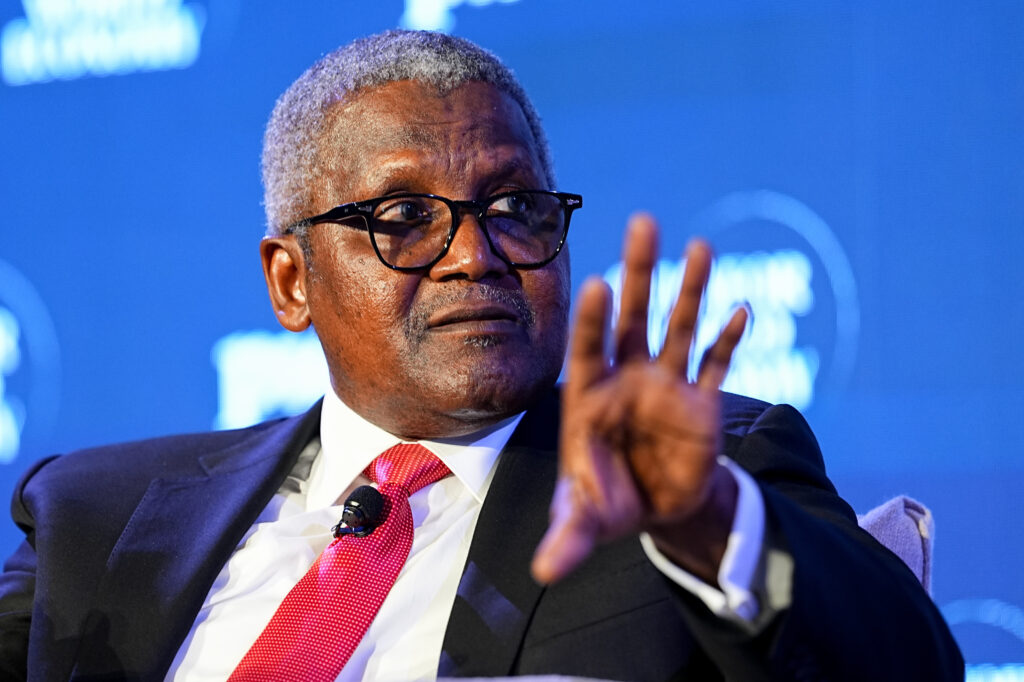
In recent months, billionaire industrialist Aliko Dangote has made headlines with his ambitious plans to expand his refining empire beyond Nigeria. With a commitment to construct a new mega-refinery in East Africa, Dangote’s vision not only aims to boost local economies but also to enhance energy security across the region. However, the quest for the ideal location has led to a flurry of speculation and discussions with various East African leaders. As Africa’s richest man navigates these complexities, the implications of his project could reshape the energy landscape of the entire continent.
Aliko Dangote, the founder of the Dangote Group, has already established a monumental refinery in Nigeria that processes 650,000 barrels of oil daily. His proposed expansion into East Africa is a response to an urgent need for increased domestic refining capabilities amid growing concerns over fuel security. Currently, Africa is heavily reliant on imported refined fuels, with approximately 70% of its needs met through external sources. This dependency has become increasingly precarious, especially in light of ongoing geopolitical tensions, such as the conflict in Iran, which affects global oil supply chains.
Dangote’s initial discussions centered around constructing a new refinery in Tanzania at the port of Tanga. However, following consultations with leaders in the region, other potential sites have emerged, including Mombasa in Kenya—a city that previously hosted a refinery—and Lamu, a coastal town known for its UNESCO World Heritage status. These options highlight a significant geographical area along the Indian Ocean coastline, a stretch of about 370 kilometers (230 miles) that could potentially host this transformative project.
The urgency for local refining capabilities cannot be overstated. As noted by the African Petroleum Producers’ Organisation, Africa exports three-quarters of its crude oil production while importing most of its refined fuels. East and Southern Africa, in particular, are heavily dependent on oil products shipped from the Persian Gulf, making the establishment of domestic refineries critical for energy independence and economic stability.
Ugandan President Yoweri Museveni has publicly expressed support for Dangote’s endeavor, indicating a willingness to invest in the regional refinery project and highlighting its potential to promote regional integration and industrial growth. This is a sentiment echoed by other leaders in the region, as they recognize the economic benefits that come with increased local refining capacity. The proposed $17 billion project is expected to serve not just Tanzania and Kenya but also Uganda, Ethiopia, South Sudan, the Democratic Republic of Congo, and other neighboring markets.
While this ambitious project promises economic and energy benefits, it is also worth noting that Uganda is simultaneously pursuing its own plans for a smaller refinery in Hoima, which would process 60,000 barrels per day. This dual approach to refining capacity development underscores the diverse strategies that countries in the region are adopting to achieve energy security.
Beyond fueling regional economies, Dangote’s refinery project could also facilitate the production of fertilizers, further diversifying the economic impact of the initiative. The potential for local fertilizer production aligns with broader agricultural goals, as improving agricultural productivity remains crucial for many East African nations.
For traders and investors, the development of new refining capabilities presents a unique opportunity. As demand for refined fuels continues to rise and the geopolitical landscape shifts, investing in energy infrastructure within Africa could yield significant returns. Furthermore, as local refining reduces dependency on imports, it could stabilize fuel prices and enhance the profitability of energy-related investments.
In conclusion, Aliko Dangote’s plan to establish a mega-refinery in East Africa could represent a significant turning point for the continent’s energy sector. With multiple potential sites under consideration, the project promises to address critical issues of energy security and economic development. As East African nations collaborate with Dangote to bring this vision to fruition, the implications for regional integration, job creation, and energy independence could be profound. For investors, staying abreast of developments in this sector could provide valuable insights and opportunities in a rapidly evolving market. As the region’s energy landscape transforms, the potential for growth and innovation remains boundless.