
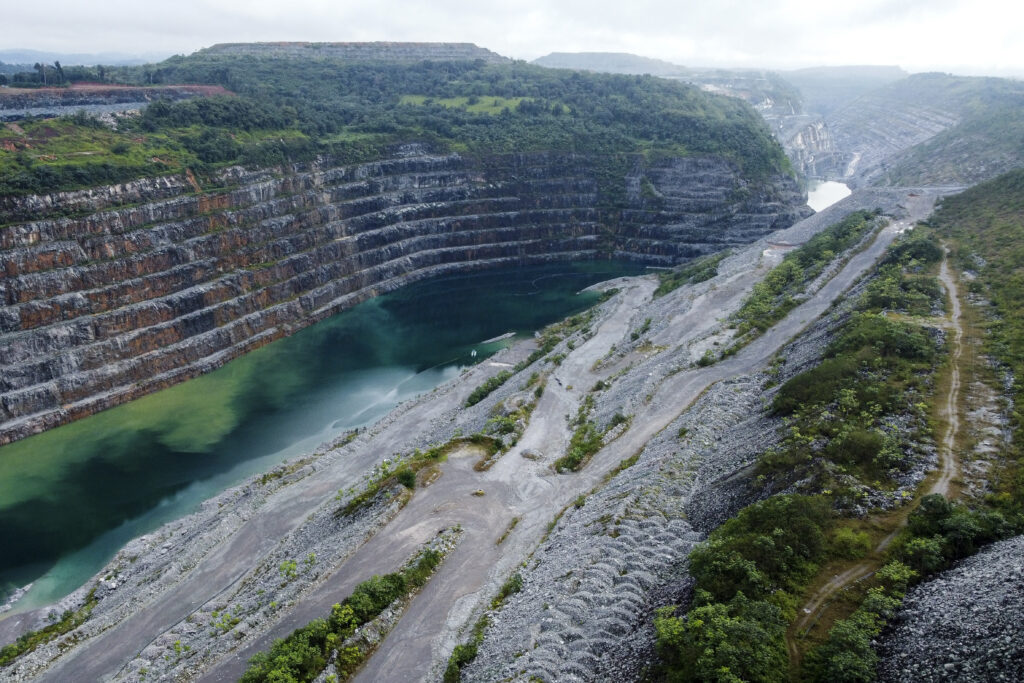
Ghana, renowned as Africa’s leading gold producer, is embarking on a transformative strategy aimed at enhancing its local gold refining capabilities while simultaneously bolstering its foreign exchange reserves. The country’s central bank has proposed a significant alteration to the way large-scale gold mines operate, mandating that they sell a minimum of 30% of their annual gold output directly to the central bank. This initiative is designed not only to increase local refining but also to create job opportunities and stabilize the national economy.
At the heart of this initiative is a shift from the existing requirement, where gold mines are obligated to sell 20% of their refined gold to the state-owned Ghana Gold Board. Under the new proposal, mines would sell all 30% in the form of doré, which is unrefined gold. Paul Bleboo, who oversees gold management at the central bank, emphasized the importance of this policy shift, explaining that the aim is to enhance local refining capacity and generate employment through value addition. This move comes at a time when global gold prices are hovering around $4,500 per ounce, prompting resource-rich countries to seek greater value from their abundant commodities.
The implications of this policy shift are profound. By increasing the local refining of gold, Ghana could significantly enhance its economic resilience. The country has previously utilized its gold reserves to stabilize its currency, the cedi, which experienced a notable gain against the US dollar for the first time in 30 years last year. This stabilizing effect has been attributed to a government program focused on purchasing gold, which has helped maintain the cedi’s value even amidst external economic pressures, such as geopolitical tensions in the Middle East.
Currently, discussions between the government and mining companies are ongoing, with major players like AngloGold Ashanti, Gold Fields, and Newmont Corp potentially impacted by this new requirement. The negotiations have seen an initial agreement from these companies to the proposed 30% threshold, though discussions regarding the pricing of doré sales are still being finalized. The Ghanaian government has suggested purchasing doré at a 1% discount to the prevailing spot price, with the possibility that the new requirement could be implemented as soon as June 1, provided an agreement is reached.
As Ghana seeks to strengthen its local gold refining industry, it is important to recognize the critical role that gold plays in the national economy. According to data from the central bank, gold accounted for 67% of the country’s total exports in 2025. This heavy reliance on gold signifies the need for a robust domestic refining capability that can enhance the country’s economic stability and reduce its vulnerability to external market fluctuations.
However, the Ghana Chamber of Mines, led by CEO Kenneth Ashigbey, has expressed a cautious stance regarding the government’s approach. While the industry group supports the overarching goals of enhancing local refining and building up foreign reserves, it believes that these objectives could also be achieved through alternative methods. This perspective highlights the need for a balanced approach that considers the interests of both the government and the mining companies involved.
For traders and investors, the evolving landscape in Ghana’s gold industry presents both opportunities and challenges. On one hand, the push for increased local refining could lead to a more stable supply chain and potentially higher margins for those involved in the refining process. On the other hand, negotiations regarding pricing and compliance with the new regulations may introduce uncertainties that could affect the profitability of mining operations in the region.
In conclusion, Ghana’s initiative to mandate gold mines to sell a larger portion of their output to the central bank is a bold move aimed at strengthening the local economy through enhanced refining capabilities. As the discussions unfold and potential agreements are reached, the implications for the mining industry, and Ghana’s economy as a whole, will become clearer. Stakeholders will need to stay informed and adaptable as this dynamic situation continues to develop, ultimately shaping the future of gold production and refining in one of Africa’s most resource-rich nations.