
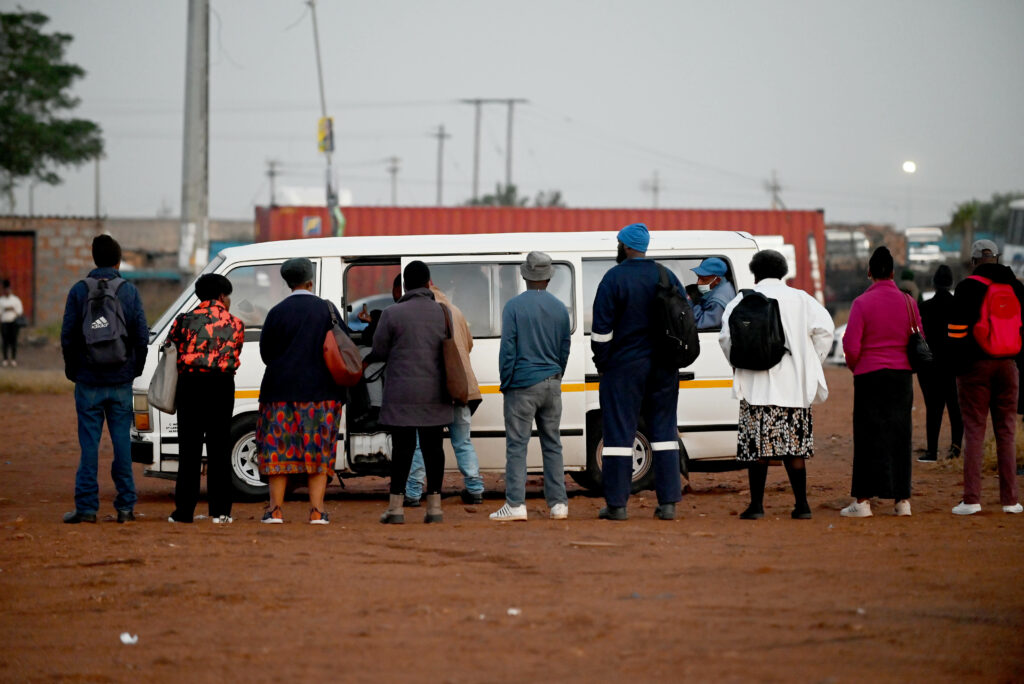
As of May 18, 2026, commuters in South Africa are facing a significant increase in taxi fares due to a series of fuel price hikes that have been imposed in response to escalating global oil prices. This situation, which has developed against the backdrop of geopolitical tensions, particularly in the Middle East, offers a striking example of how external factors can directly impact everyday expenses for citizens. Understanding the implications of these fare increases is crucial for both commuters and investors alike.
The recent adjustments in taxi fares stem from two major fuel price increases that have occurred within the span of a few weeks. The first rise took place on April 1, 2026, when petrol prices surged by approximately R1.88 per litre for both 93 and 95 octane petrol. Diesel prices also saw significant increases, with diesel 0.05% rising by around R2.84 per litre and diesel 0.005% by R2.90 per litre. These hikes were a direct consequence of escalating tensions in the Middle East, which have historically been a catalyst for fluctuations in global oil prices.
A second, more substantial increase was implemented on May 6, 2026, further exacerbating the financial strain on taxi operators and commuters alike. This time, petrol prices rose by R3.27 per litre, while diesel prices surged by R6.19 per litre for both diesel categories. The increase was largely attributed to supply disruptions, particularly the temporary closure of the Strait of Hormuz, which is a vital passage for oil transportation. As Brent crude oil prices soared above $100 per barrel, taxi operators were left with little choice but to adjust their fares to remain viable.
Rebecca Phala, the national spokesperson for the South African National Taxi Council (Santaco), articulated the financial challenges faced by the taxi industry. She expressed concern about the ongoing recovery post-Covid-19, emphasizing that many operators are still struggling to regain their footing. The taxi industry is crucial for the movement of approximately 15 million passengers daily, making it an essential component of South Africa’s public transport system. Phala highlighted the importance of government support, questioning why it has taken so long for financial assistance to reach this vital sector.
In response to the rising costs, taxi fares for long-distance journeys are set to increase by R10 to R30, while short-distance trips will see hikes of R2 to R6. Moreover, Phala warned that if fuel prices continue their upward trend, additional fare increases may be on the horizon by the end of May.
To mitigate some of the financial pressure on commuters and taxi operators, the National Treasury and the Department of Petroleum and Mineral Resources temporarily reduced the general fuel levy by R3 per litre from April 1 to May 5. This adjustment lowered the petrol levy from R4.10 to R1.10 per litre. However, many in the taxi industry, such as Makhosandile Tumana from the Cape Organisation for the Democratic Taxi Association (Codeta), feel that this measure is insufficient. Tumana noted that the decision to raise fares, typically reserved for December, was made reluctantly this year due to the urgent need to address the impact of rising fuel costs.
For traders and investors, the implications of these fare increases go beyond mere inconvenience for commuters. The rising costs can lead to decreased consumer spending in other areas, as a larger portion of people’s incomes is allocated to transportation. This shift can impact various sectors, from retail to services, as consumers tighten their budgets in response to higher transportation expenses. Moreover, the volatility of fuel prices suggests that investors should closely monitor geopolitical events and their potential impact on oil markets.
In conclusion, the recent increases in taxi fares across South Africa underscore the interconnectedness of global events and local economies. As fuel prices continue to fluctuate, the repercussions are felt directly by commuters, taxi operators, and the broader economic landscape. For those involved in investment and trading, understanding these dynamics is essential for making informed decisions. As the situation evolves, it remains to be seen how government intervention and market forces will shape the future of transportation costs in South Africa and beyond.