
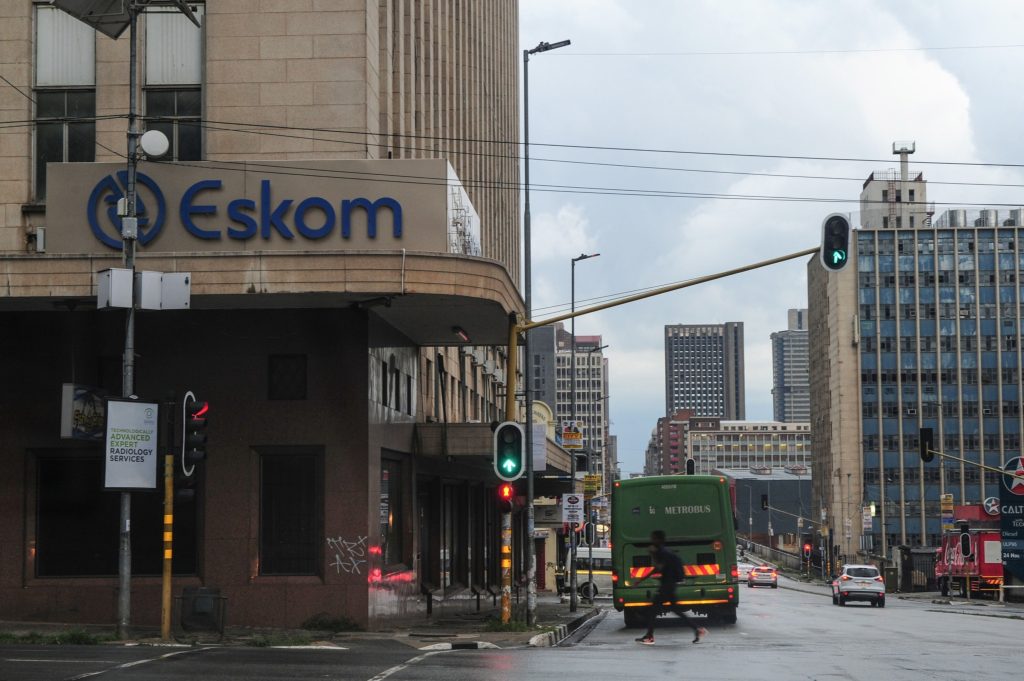
As South Africa’s largest city grapples with an escalating financial crisis, recent developments have brought the issue to a head. Johannesburg, often seen as the economic heartbeat of the nation, is now facing the prospect of power cuts, an unsettling scenario that could have far-reaching implications for its residents and businesses. The state-owned power utility, Eskom, has issued a stark warning regarding the city’s inability to meet its financial obligations, bringing to light the dire state of Johannesburg’s finances.
The City of Johannesburg (CoJ) finds itself in a precarious situation, saddled with a staggering debt of over R6.8 billion owed to Eskom. This debt comprises both arrears and current account obligations, which have reached alarming levels. The financial strain of the city has led Eskom to notify the CoJ of its potential decision to reduce or even terminate power supply to certain areas within the metro. This drastic measure arises from the city’s ongoing defaults on its Electricity Supply Agreement, a critical contract that underpins the provision of electricity to millions of residents.
Understanding the depth of Johannesburg’s financial woes requires a closer look at the interplay between municipal governance, utility management, and the broader economic environment. Eskom has been in discussions with the CoJ for over two years, hoping to facilitate a resolution to the mounting arrears. The utility’s patience is wearing thin, as it asserts that the failure of the CoJ to remit collected electricity revenues is unacceptable. Residents who are current with their payments may soon face the harsh reality of power interruptions, a situation that could spiral into a larger crisis for the city.
Key points regarding the situation are essential for stakeholders and residents alike. Firstly, the financial mismanagement and failure to honor payment agreements have led to a significant loss of trust between Eskom and the CoJ. Secondly, the looming threat of power cuts highlights the fragile state of basic service provision in Johannesburg, casting doubt on the city’s capability to maintain essential services. Thirdly, this crisis has implications beyond immediate power supply; it could lead to a downturn in local business operations, further exacerbating the city’s economic challenges.
From the perspective of traders and investors, the unfolding crisis in Johannesburg presents a complex landscape. On one hand, the potential for power cuts could deter investment and lead to business closures or slowdowns, contributing to an already fragile local economy. On the other hand, savvy investors may see opportunities in distressed assets or sectors that could benefit from eventual recovery plans put in place by municipal authorities. The situation serves as a reminder of the importance of due diligence and risk assessment in investment decisions, particularly in regions facing significant fiscal challenges.
In recent communications, Finance Minister Enoch Godongwana has urged the CoJ to reconsider its agreements with municipal unions regarding pay increases, emphasizing the city’s inability to support such commitments financially. This aligns with broader concerns about the sustainability of municipal finances in South Africa, where many cities face similar dilemmas. The rejection of further loans by French development financiers and the looming threat of downgrades by credit rating agencies such as Moody’s only add to the urgency of the situation.
In conclusion, the financial crisis in Johannesburg underscores the critical need for responsible governance and fiscal discipline. As the city navigates these turbulent waters, it must address its significant debts and restore its credibility with service providers like Eskom. The potential for power cuts is a wake-up call for both municipal leaders and residents, highlighting that financial stability is not just a matter of numbers but a foundational element for the city’s future. For investors and businesses, staying informed and adaptable will be vital as the situation evolves, and those who can navigate these challenges may emerge stronger in the long run. As Johannesburg seeks to reclaim its stature as a vibrant economic hub, the path forward will require innovative solutions, transparency, and a commitment to fiscal integrity.