
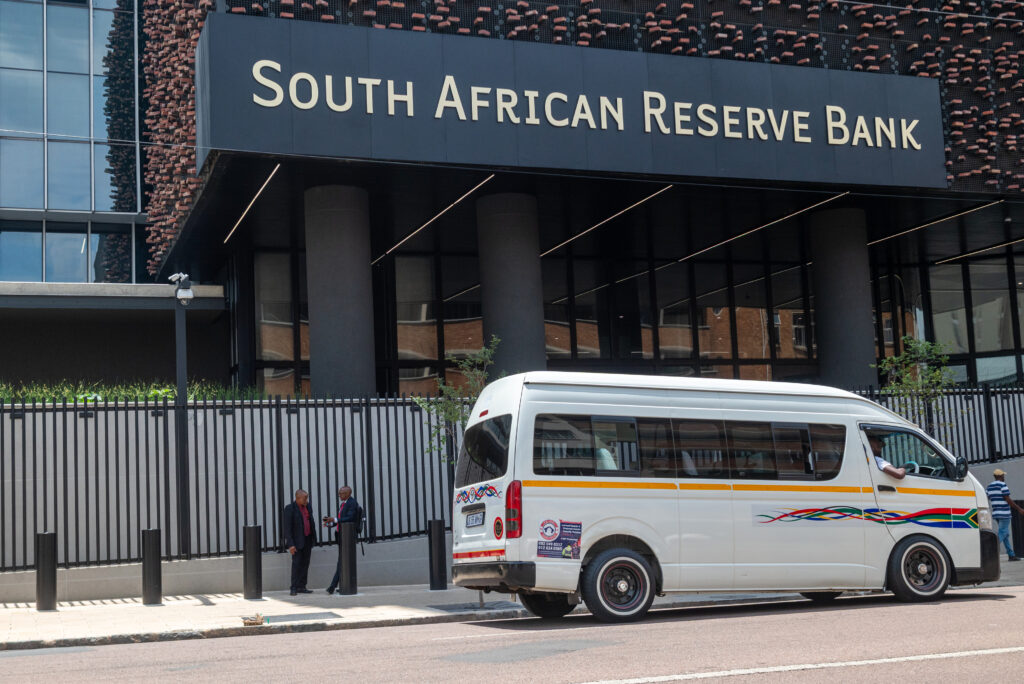
As inflationary pressures ripple across the globe, South Africa finds itself at a pivotal moment, ready to adjust its monetary policy in response to recent geopolitical tensions. With the ongoing conflict in Iran causing significant disruptions to energy and food supply chains, the South African Reserve Bank (SARB) is among a select group of central banks considering an interest rate increase. This decision reflects a broader trend among African nations grappling with rising costs and economic uncertainty.
The conflict, which erupted in late February, has had far-reaching implications, particularly through the blockade of the Strait of Hormuz. This critical shipping route is responsible for transporting about one-fifth of the world’s oil and liquefied natural gas, as well as a substantial portion of global agricultural fertilizers. The resultant spike in energy, food, and fertilizer prices has forced many nations, including South Africa, to reassess their monetary policies. While several central banks around the world are maintaining their current interest rates, the SARB is preparing for a necessary shift to combat local inflationary trends.
The economic landscape in Africa has been profoundly affected by the recent conflict, prompting a need for central banks to reconsider their strategies. According to Charlie Robertson, chief economic adviser at Equity Group Holdings Plc, nearly all central banks across the continent are expected to maintain a cautious stance, with many contemplating rate increases unless the Strait of Hormuz is reopened. This sentiment illustrates the interconnectedness of global events and local economic conditions, as policymakers strive to navigate the complex challenges posed by inflation.
In the coming weeks, the wave of interest rate decisions is set to begin with countries like Ghana, Mauritius, and Nigeria. Ghana’s central bank is anticipated to join a select group of African nations that have opted to cut interest rates, despite a slight uptick in inflation to 3.4%. The forecast suggests a 50-basis-point reduction in the benchmark rate, extending an easing cycle initiated in July. This decision stands in stark contrast to the prevailing trend among other central banks that are opting to maintain or increase rates in light of rising inflation.
Mauritius and Nigeria, facing heightened price pressures, are also expected to keep their rates unchanged as they assess the conflict’s impact on their economies. In Egypt, where currency depreciation and adjustments to administered prices are contributing to inflationary risks, the central bank is likely to adopt a cautious approach, limiting its ability to ease monetary policy further.
On the other hand, Rwanda and South Africa are poised to raise interest rates in response to their unique economic circumstances. Rwanda has already seen inflation rates return to double digits for the first time in three years, leading to a significant gap between the benchmark interest rate and inflation, now at a negative 5.75 percentage points. This scenario underscores the urgency for the SARB to act to mitigate the effects of inflation on its economy.
For investors and traders, the shifting landscape of interest rate policies in Africa presents both challenges and opportunities. Understanding the nuanced relationships between local economic conditions and global events is essential for making informed decisions. Investors should be particularly attentive to how these rate hikes or holds can influence currency values, bond markets, and overall economic stability.
The key takeaway from this evolving situation is the recognition that monetary policy is increasingly responsive to global economic disruptions. Central banks are not operating in isolation; they are part of a larger ecosystem influenced by international events. As inflation remains a pressing concern, South Africa’s approach could set a precedent for other nations grappling with similar challenges.
In conclusion, South Africa’s potential interest rate hike is a reflection of the complex interplay between local economic conditions and global geopolitical events. As central banks across the continent reassess their monetary policies, the ramifications will be felt not only in financial markets but also in the everyday lives of citizens. Investors should stay vigilant, recognizing that the decisions made by central banks today will shape the economic landscape for years to come. With inflationary pressures likely to persist, the path forward will require careful navigation and strategic foresight.