
The landscape of South Africa’s real estate sector is poised for significant transformation as the Public Investment Corporation (PIC) engages in negotiations to acquire minority stakes in Balwin Properties, a major player in the housing development arena. This move not only highlights the PIC’s commitment to enhancing affordable housing solutions but also underscores the broader challenges and opportunities facing real estate developers in the region.
The PIC, Africa’s largest asset manager, has made headlines with its proposed cash offer of R4.35 per share to buy out minority shareholders in Balwin Properties. This all-cash transaction values the company at approximately R2.18 billion, a figure derived from Bloomberg’s calculations. This acquisition is not merely a financial maneuver; it reflects a strategic response to the pressing housing demands in South Africa, where a staggering backlog of about 2.6 million homes exists, as reported by the Department of Human Settlements.
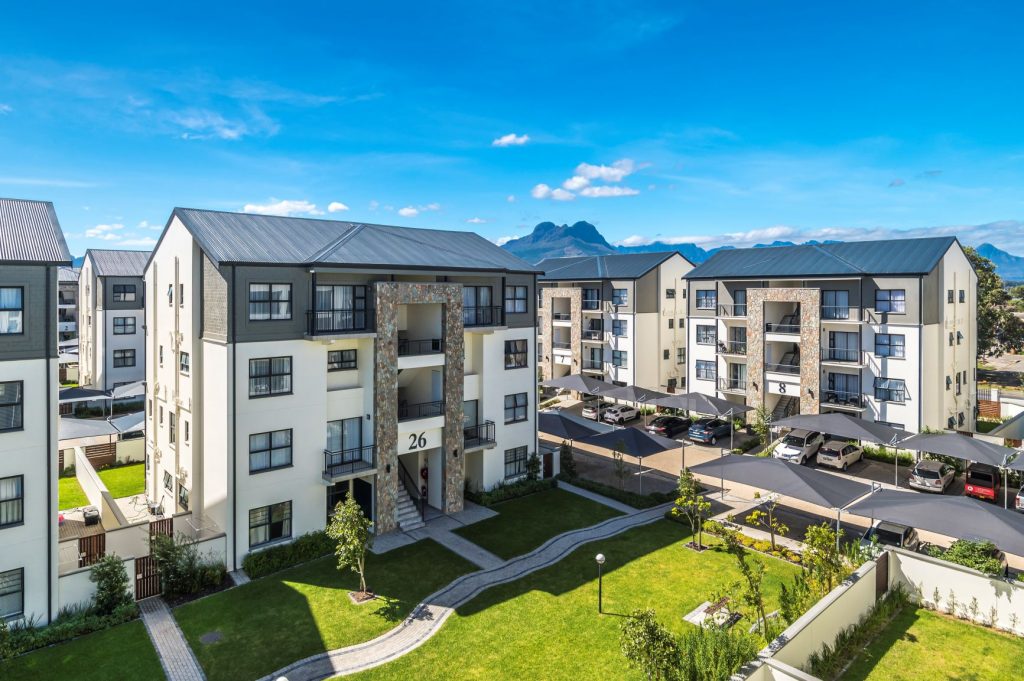
Balwin Properties stands out as South Africa’s preeminent housing developer, focusing on affordable housing solutions. The company currently constructs around 3,000 homes annually, primarily targeting the build-to-sell market. This segment of the housing market is crucial, as it caters to the lower and middle-income demographics, with home prices ranging between R800,000 and R1.2 million. The growing urban population, coupled with a rising number of job seekers flocking to cities, exacerbates the housing shortage, making Balwin’s role even more pivotal.
The significance of this acquisition extends beyond mere numbers. Once the buyout of minority shareholders is finalized, Balwin Properties plans to concentrate on enhancing its project pipeline. The PIC, in collaboration with the company’s founders, Steve Brookes and Rodney Gray, aims to pursue ambitious growth targets. With the PIC poised to hold nearly 50% of the company, the partnership is expected to streamline operations and increase annual housing production from 3,000 to 5,000 homes, translating into around 13 new homes built every day.
However, the road ahead is not without its hurdles. The prolonged development cycles associated with large residential projects in South Africa have historically limited Balwin’s capacity to attract capital and sustain consistent dividend payments. This aspect has been a crucial factor in the decision to delist the company following the acquisition. By going private, Balwin can focus on its core mission of addressing the housing crisis without the pressures of public market expectations.
Key Takeaways:
1. **Strategic Acquisition**: The PIC’s buyout of Balwin Properties highlights its commitment to investing in South Africa’s housing sector and addressing the pressing need for affordable homes.
2. **Market Dynamics**: The partnership aims to tackle a significant housing backlog, benefiting from an increasing urban population and a demand for lower to mid-income housing.
3. **Growth Potential**: By increasing housing production from 3,000 to 5,000 homes annually, Balwin positions itself to play a vital role in alleviating the housing crisis.
4. **Operational Focus**: The decision to delist Balwin post-acquisition allows the company to concentrate on long-term growth strategies without the constraints of public market pressures.
For traders and investors, this development presents a fascinating case study. The acquisition is likely to influence the broader real estate market, particularly in the affordable housing segment. Investors should consider the potential for growth in companies that prioritize essential housing needs amid a backdrop of increasing urbanization.
Furthermore, as the PIC collaborates with Balwin’s management and potentially other government entities, the move could signal a shift in investment strategies towards more socially responsible and impactful projects. This aligns with global trends where investors increasingly seek opportunities that promise not only financial returns but also positive social outcomes.
In conclusion, the PIC’s acquisition of Balwin Properties marks a significant milestone in South Africa’s real estate landscape. As the company embarks on this new chapter, it carries with it the weight of a nation’s housing aspirations. The partnership promises to enhance the pace of construction and tackle the critical housing deficit, ultimately benefiting the economy and the lives of countless South Africans. Investors and stakeholders alike should keep a close eye on this evolving scenario, as it could set a precedent for future investments in the region’s real estate market.