
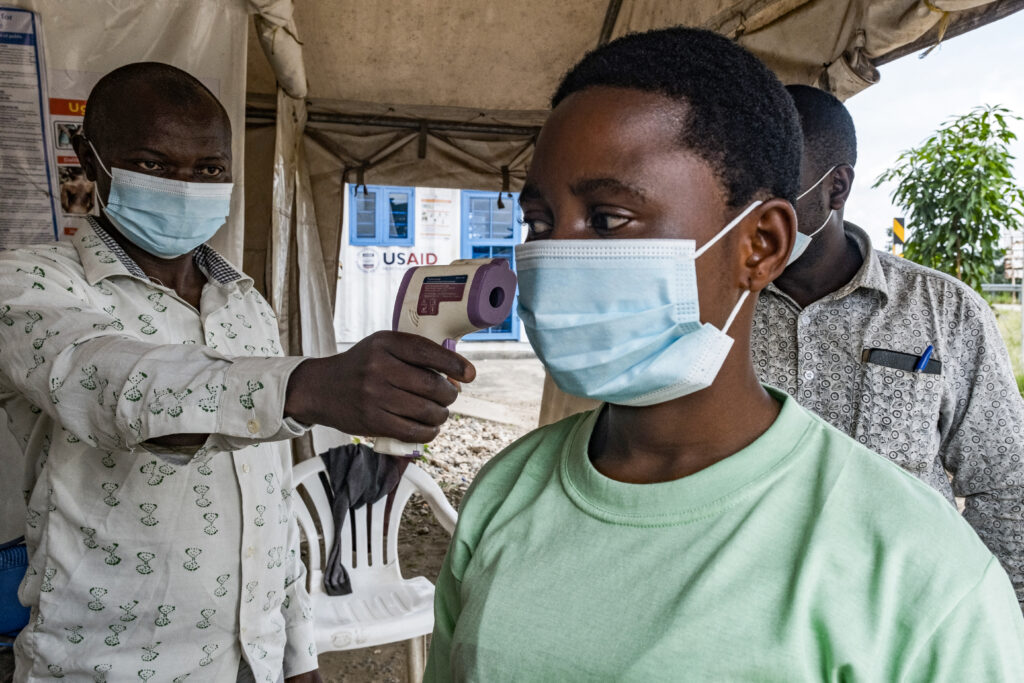
As health authorities in central Africa grapple with a rising Ebola outbreak, governments across Asia are taking proactive steps to ensure the safety of their populations. The response has involved tightening border screening processes and enhancing quarantine preparedness. The outbreak, which has already claimed numerous lives in the Democratic Republic of Congo, has prompted Asian nations to act decisively, although the risk of local transmission remains low. The situation presents both challenges and opportunities for investors and travelers alike, especially in a region still reeling from the impacts of the COVID-19 pandemic.
In recent weeks, several Asian countries have ramped up their health measures, especially for travelers arriving from the affected regions in Africa. While no confirmed Ebola cases have been reported in Asia, the specter of a potential outbreak looms large, echoing the experiences of COVID-19 and SARS. Governments are doing their utmost to remain vigilant, implementing various protocols aimed at preventing the spread of the virus. For instance, Hong Kong has inspected quarantine facilities that were previously used for COVID-19 isolation, ensuring they are ready for use should a case arise.
Mainland China has also taken significant steps to bolster its health screening measures. As of mid-May, travelers arriving from regions with known Ebola cases will be required to declare any contact with infected individuals or report symptoms such as fever or nausea. This is a crucial move, considering that China has seen a significant influx of tourists to Africa in recent years, with many Chinese citizens working on projects under the Belt and Road Initiative. In fact, recent data indicates that China accounted for a substantial portion of direct flights between Asia and Africa, further underscoring the importance of monitoring travel patterns.
The World Health Organization (WHO) has classified the situation as a public health emergency of international concern, indicating the seriousness of the outbreak. This declaration has prompted countries such as Singapore, Japan, and South Korea to implement enhanced health monitoring measures at their borders. In South Korea, travelers from the Congo and neighboring regions are mandated to report their health status to quarantine officials, reflecting a commitment to vigilance. Meanwhile, India is also stepping up its preparedness by designating a central laboratory in Pune for Ebola testing.
Investors and travelers should keep an eye on the evolving situation as it may have significant implications for various sectors. The tourism industry, which has experienced a resurgence in Africa, could see fluctuations as travelers reconsider plans in light of the outbreak. Furthermore, the heightened health measures could impact air travel and logistics, particularly for regions with robust connections to Africa. Companies involved in health and safety equipment, pharmaceuticals, and biotech may stand to benefit from increased demand for medical supplies and testing capabilities.
Key takeaways from the current situation include the importance of being informed about health risks associated with travel, particularly in light of past outbreaks. Travelers should remain updated on health advisories and be prepared to comply with any new regulations that may emerge. Additionally, investors should consider how the ongoing health crisis might influence market sentiment and stock performance in sectors sensitive to health concerns.
As we navigate this uncertain landscape, it is essential to approach travel and investment decisions with a comprehensive understanding of the risks involved. The lessons learned from previous pandemics emphasize the need for preparedness and adaptability in the face of health emergencies. The ongoing situation in Africa serves as a reminder that health issues can have far-reaching consequences, affecting not only those directly impacted but also economies and industries across the globe.
In conclusion, while the Ebola outbreak in Africa presents a serious public health challenge, the response from Asian governments illustrates a commitment to safeguarding their populations. The strategies employed may help mitigate risks, but travelers and investors must remain vigilant and proactive. By staying informed and adapting to the changing landscape, stakeholders can navigate through this health crisis with greater awareness and preparedness, ensuring both safety and informed decision-making in their respective domains.