
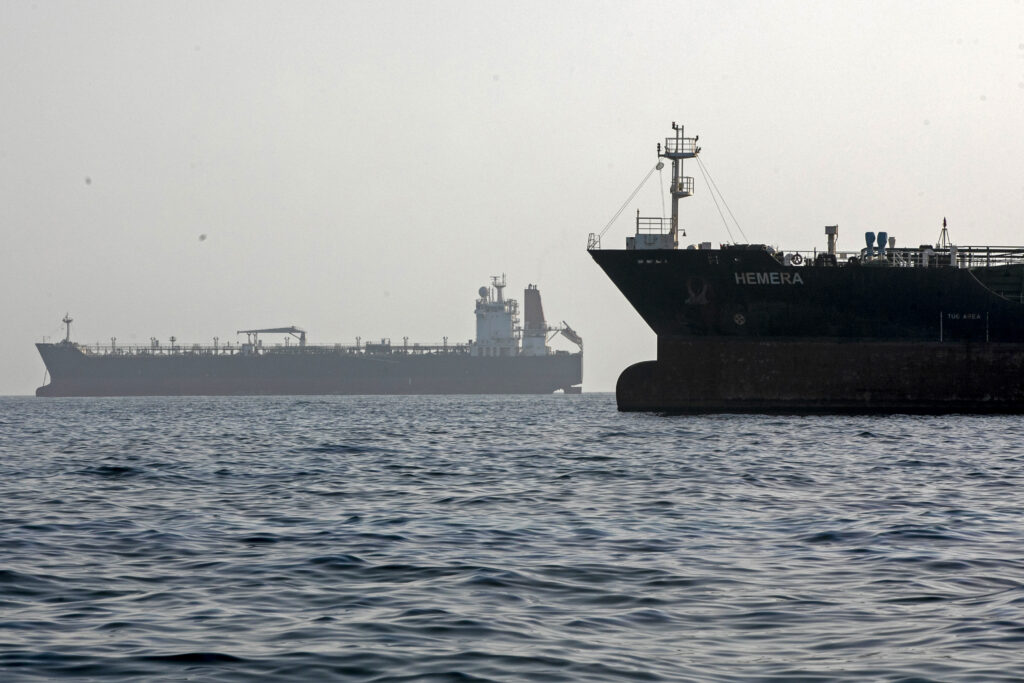
As the world grapples with escalating geopolitical tensions, particularly in the Middle East, NATO is exploring its role in ensuring the safety and security of one of the planet’s most vital waterways—the Strait of Hormuz. This narrow passage is crucial for global energy supplies, with approximately 20% of the world’s oil and gas flowing through it. Recent developments have prompted discussions among NATO member states about possible interventions to facilitate safe passage for commercial vessels, especially if the strait remains blocked in the coming months.
The Strait of Hormuz has been at the center of international attention since Iranian forces blocked the waterway following military actions by the United States and Israel. This blockade has significant implications for energy prices and economic stability worldwide. According to a senior NATO official, if the situation does not improve by early July, the alliance may need to consider a more proactive stance, although unanimous agreement among member states has yet to be achieved.
The discussions within NATO reflect a broader strategic shift in the alliance’s approach to the ongoing conflict involving the US and Israel against Iran. Traditionally, NATO’s involvement in regional conflicts has been contingent on the cessation of hostilities and the formation of a coalition that includes non-NATO countries. However, the urgency to address the economic fallout from the strait’s closure—coupled with rising energy prices and declining growth forecasts—has led to calls for a reassessment of this approach.
At a recent press briefing, General Alexus Grynkewich, NATO’s supreme allied commander for Europe, stated, “The political direction comes first, and then the formal planning happens after that.” This suggests that while NATO is contemplating its options, any concrete action would depend on a clear political consensus and strategic planning among its members.
One of the most pressing concerns for NATO is the economic impact of the blockade. As energy prices soar due to supply chain disruptions, the repercussions extend beyond immediate financial markets to the broader military industrial capacity of the member nations. Grynkewich emphasized that the blockade is detrimental to the economies of NATO allies, highlighting the interconnectedness of military readiness and economic stability.
The potential for NATO intervention raises several critical questions. For instance, how can the alliance effectively guarantee the safe passage of commercial vessels through the strait? A recent attempt by the United States to secure the waterway was met with swift challenges, demonstrating the complexities of military engagement in such a volatile region. A NATO spokesperson has yet to provide clarity on the alliance’s specific operational plans, leaving many in the investment and trading communities uncertain about the future.
As NATO leaders prepare to convene in Ankara for discussions, the divide among member states regarding intervention strategies remains apparent. While some nations express support for a proactive approach to reopening the strait, others remain hesitant, concerned about the potential escalation of conflict. For instance, Spain has openly opposed military action, even restricting US access to its airspace for operations against Iran. This divergence in perspectives underscores the challenges NATO faces in forming a cohesive strategy.
For traders and investors, the implications of NATO’s potential involvement in securing the Strait of Hormuz are significant. The ongoing conflict and the uncertainty surrounding energy supply chains can lead to increased volatility in oil and gas markets. Investors should closely monitor the developments from the NATO meetings, as any decisions made could influence global energy prices and the overall economic landscape.
Key takeaways for stakeholders include the importance of staying informed on geopolitical developments, recognizing the potential for market volatility, and understanding how international military actions can impact energy supply chains. The situation in the Strait of Hormuz serves as a reminder of the delicate balance between military strategy and economic interests in today’s interconnected world.
In conclusion, while NATO’s consideration of intervention in the Strait of Hormuz reflects a response to immediate economic concerns, it also highlights the complexities of international relations and military action. As the alliance navigates these challenging waters, the implications for global energy markets and economic stability will remain a focal point for investors and traders alike. The coming weeks will be crucial in determining whether NATO will take definitive action to secure this vital passageway and, in turn, bolster the economies of its member states.