
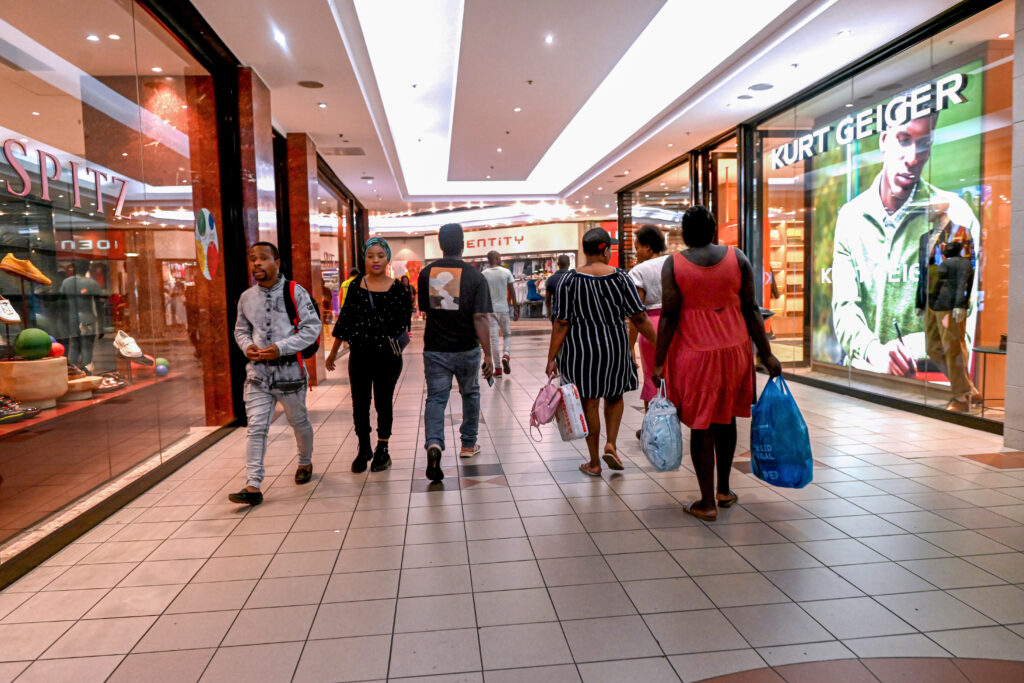
In recent months, South Africa has been grappling with a significant rise in inflation, reaching its highest point in two decades. This surge primarily stems from escalating fuel prices, a consequence of geopolitical tensions, particularly the ongoing conflict in Iran. As the nation navigates through this economic turbulence, it is essential for both traders and investors to grasp the implications of these changes and what they might mean for the future.
The inflation rate in South Africa jumped to 4% in April, a notable increase from 3.1% in March, according to data released by Statistics South Africa. Notably, this rise matched the expectations of economists surveyed by Bloomberg, underscoring the consensus among financial analysts that inflationary pressures were mounting. This latest data marks the steepest increase in fuel costs since the introduction of inflation targeting in 2000, a significant benchmark for the South African economy.
At the heart of this inflationary surge is the sharp escalation in fuel prices, largely attributed to the geopolitical crisis surrounding Iran. The price of Brent crude oil has soared nearly 50% since late February when the United States and Israel launched attacks on Iran, effectively disrupting oil supply routes through the Strait of Hormuz. This critical waterway is responsible for transporting approximately 20% of the world’s seaborne oil and liquefied natural gas, making the stability of this region vital for global energy markets.
As fuel prices rise, so too do the costs for consumers, placing additional strain on households across the nation. The ripple effect of increasing fuel costs often leads to higher prices for goods and services, consequently fueling inflation even further. Economists predict that the inflation rate will continue to rise in May, as the full impact of soaring fuel prices is felt throughout the economy.
In response to these developments, the South African Reserve Bank (SARB) is expected to implement monetary policy changes in an effort to regain control over inflation. Economists anticipate that the Monetary Policy Committee (MPC) will raise interest rates by 25 basis points to 7% during its upcoming meeting on May 28. This would mark the first rate increase in three years, signaling a shift in the central bank’s approach to managing rising inflation.
Governor Lesetja Kganyago of the SARB has publicly acknowledged the challenges posed by this inflationary environment. While he notes that the MPC may have limited tools to combat immediate inflationary pressures, he reassures stakeholders of the bank’s commitment to restoring inflation levels back to the targeted 3%. This commitment is crucial not only for economic stability but also for maintaining investor and consumer confidence.
As countries worldwide grapple with similar inflation shocks, South Africa finds itself in a challenging position. Governments around the globe are exploring various measures to mitigate the impact of rising prices, including fuel rationing, tax cuts, and price controls. These strategies reflect the urgency of addressing inflation in a manner that balances economic growth with the well-being of citizens.
For traders and investors, the current economic landscape presents both challenges and opportunities. The impending interest rate hike may lead to a stronger currency in the short term, making South African assets more attractive to foreign investors. However, the volatility in oil prices and the uncertainty surrounding geopolitical tensions could lead to further fluctuations in the market.
Key takeaways for traders include the importance of staying informed about global oil prices and geopolitical developments, as these factors will likely influence South Africa’s economic trajectory. Additionally, understanding the potential ramifications of interest rate changes on investments can help investors make more informed decisions in the current climate.
In conclusion, South Africa’s rising inflation, driven by external factors such as the conflict in Iran, poses significant challenges for the economy. As the SARB prepares to respond with monetary policy adjustments, the implications for consumers and investors alike are profound. By remaining vigilant and adapting strategies to navigate these turbulent waters, traders and investors can position themselves to weather the storm and capitalize on potential opportunities that may arise in the evolving economic landscape.