
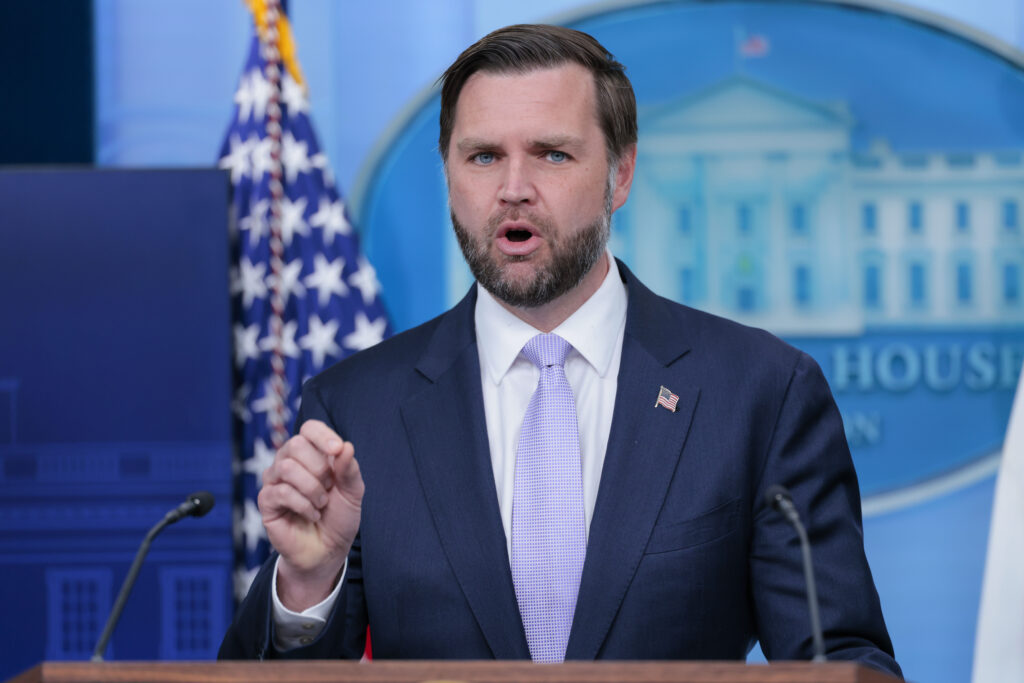
In the complex world of finance, the intersection of politics and investment can often lead to intense scrutiny. This scrutiny has ramped up recently with revelations regarding former President Donald Trump’s extensive trading activity during his time in office. Vice President JD Vance has come to Trump’s defense, asserting that the former president does not directly engage in trading his own stocks. This situation has raised important questions about ethics and conflict of interest in political leadership, particularly as it relates to financial investments.
Understanding the nature of Trump’s trading practices requires an examination of the mechanisms behind his financial dealings. According to Vance, Trump does not personally buy or sell stocks but instead relies on independent wealth advisers to manage his investments. While this may seem like a standard practice for someone with considerable financial assets, the volume of trades has caught many off guard. Reports indicate that Trump, or his advisers, executed over 3,700 trades in just the first quarter of a particular year, amounting to tens of millions of dollars in transactions. This level of trading activity is unprecedented for any modern president, raising eyebrows about the potential for conflicts of interest.
Critics have pointed out the timing of certain trades, often coinciding with significant news events or social media posts from Trump. Such coincidences have fueled concerns that his financial activities could influence or be influenced by his role as president. Unlike his predecessors, who typically took measures to mitigate ethical concerns—such as divesting assets or placing investments in blind trusts—Trump’s approach has been markedly different. This situation invites a closer look at the ethical implications of a sitting president’s investment activities.
From a financial perspective, the sheer volume of trades executed by Trump is indeed remarkable. Industry professionals have expressed their astonishment at the frequency and scale of these transactions. Eric Diton, a seasoned Wall Street executive, noted that in his four decades of experience, he has never encountered such a high level of trading by any individual in a similar position. This unusual trading activity raises questions about the boundaries between personal financial interests and public service.
Key points surrounding Trump’s trading practices include the nature of his wealth management. A spokesperson for the Trump Organization has clarified that the president’s investments are managed by third-party financial firms, implying that Trump, his family, and his company do not actively participate in the decision-making process for these trades. This assertion aims to alleviate concerns about potential insider trading or conflicts with his presidential duties. However, the lack of transparency surrounding these transactions continues to raise eyebrows among critics.
For traders and investors, this situation serves as a critical reminder of the importance of ethical investing and transparency. While it is common for high-net-worth individuals to employ financial advisers to manage their portfolios, the level of oversight and the structure of these arrangements can significantly impact public perception. For those in the investment community, it is essential to maintain clear boundaries between personal investment strategies and professional responsibilities, particularly for individuals in positions of power.
As we analyze the implications of Trump’s trading habits, it becomes evident that the intersection of finance and governance can be fraught with complexities. The potential for conflicts of interest looms large, especially in a political landscape already rife with skepticism. The lack of a blind trust or similar mechanism to separate personal investments from presidential duties is a departure from established norms and raises significant ethical questions.
In conclusion, the debate surrounding Donald Trump’s trading practices highlights the need for greater transparency and ethical considerations in the realm of political leadership. As the lines between personal wealth and public service continue to blur, it is imperative for current and future leaders to adopt more stringent measures to prevent conflicts of interest. For investors and traders, this serves as a cautionary tale about the importance of ethical practices in investment decision-making. As we move forward in an ever-evolving financial landscape, the lessons learned from this situation will undoubtedly shape the future of investment ethics in politics.