
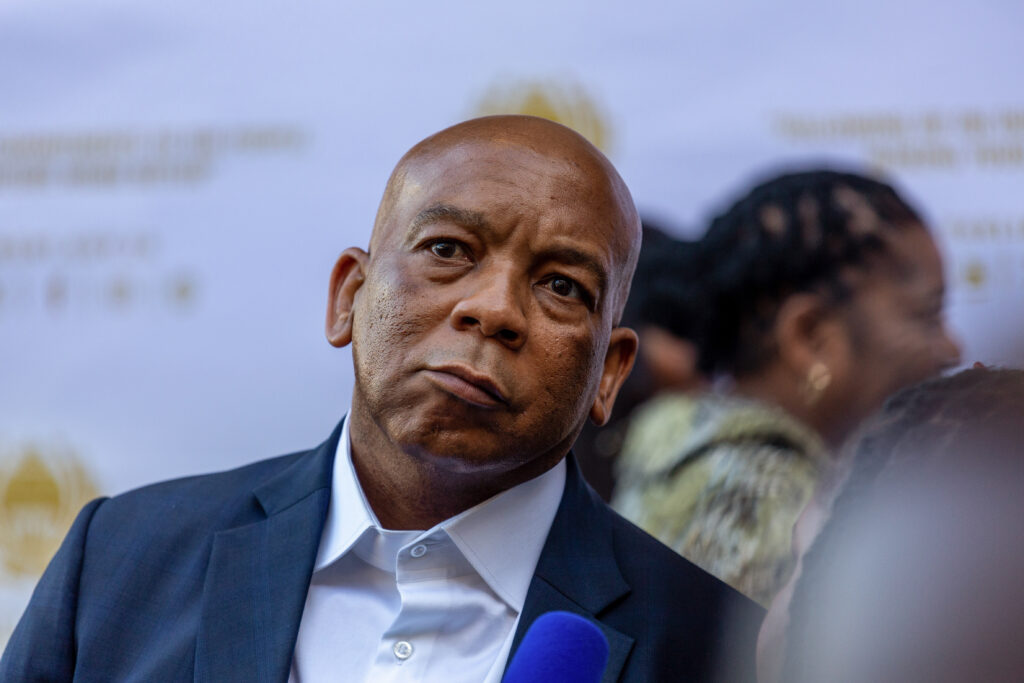
As South Africa grapples with a deepening energy crisis, the municipal debt owed to Eskom has reached alarming levels, prompting discussions about significant changes in the management of electricity distribution in the country. Recent reports reveal that a comprehensive proposal from the National Energy Crisis Committee (Necom) aimed at addressing this issue has been gathering dust on the desk of Dr. Kgosientsho Ramokgopa, the Minister of Electricity and Energy, for over a year. This situation has raised red flags about the sustainability of South Africa’s energy supply and the financial health of its municipalities.
The heart of the matter lies in the staggering amount of arrear debt that municipalities owe to Eskom, the state-owned utility responsible for generating and distributing electricity across South Africa. With total municipal arrear debt now estimated at R11 billion, the implications for service delivery and energy stability are dire. Eskom has already issued warnings to major metropolitan areas, including Johannesburg and Ekurhuleni, regarding the potential interruption or termination of electricity supply due to non-payment. The City of Johannesburg, for instance, is facing a R5.2 billion debt, which has prompted Eskom to take a hard stance on compliance with payment agreements.
The backdrop of this crisis reveals a systemic issue in the management of municipal finances and energy distribution. The National Treasury has identified an additional 13 municipalities that are similarly burdened by debt and poor payment records. These municipalities risk having their electricity supply suspended, which could severely impact their operations and the lives of residents. In an effort to rectify the situation, nine of these municipalities have expressed willingness to enter into a Distribution Agency Agreement (DAA) with Eskom. Under such an agreement, Eskom would take over the electricity distribution functions, and consumers would pay their electricity bills directly to Eskom’s bank account.
However, the practicality and sustainability of these agreements remain in question. Critics, including DA spokesperson Kevin Mileham, have called for a parliamentary inquiry into Eskom’s plans and the viability of the proposed reforms. The lack of a scheduled meeting to discuss these pressing issues only adds to the uncertainty surrounding the future of electricity distribution in South Africa.
Key points to consider in this ongoing crisis include:
1. **The Scale of Debt**: With R11 billion in total arrear municipal debt, the financial strain on Eskom is significant. This debt affects the utility’s ability to maintain and improve its infrastructure, which is critical for reliable electricity supply.
2. **Impending Supply Interruptions**: Eskom’s warnings to municipalities serve as a stark reminder of the consequences of failing to meet financial obligations. The possible interruption of services could lead to broader economic implications, particularly for businesses reliant on consistent electricity.
3. **DAA Agreements**: While some municipalities are willing to enter into agreements to outsource their electricity distribution functions to Eskom, there remains skepticism about whether this approach will lead to a long-term solution or merely shift the burden.
4. **Stalled Reforms**: The delay in implementing the proposed reforms suggested by Necom reflects a larger issue within the governance of South Africa’s energy sector. The lack of action can exacerbate the existing challenges and hinder progress toward a sustainable energy future.
For traders and investors, the evolving situation presents both challenges and opportunities. The ongoing crisis can lead to increased volatility in the energy market, particularly as investors gauge the stability of Eskom and the impact of municipal debt on the overall economy. Companies involved in renewable energy solutions may find opportunities to partner with municipalities looking for alternatives to traditional energy sources, especially if Eskom’s challenges continue to escalate.
In conclusion, the crisis of municipal debt owed to Eskom is a critical concern that could have far-reaching implications for South Africa’s energy landscape. As the government grapples with the complexities of reforming the electricity distribution industry, timely action is essential to safeguard the country’s energy future. Without decisive measures, the risk of service interruptions and financial instability looms large, making it imperative for stakeholders at all levels to engage in constructive dialogue and seek innovative solutions to this pressing issue.