
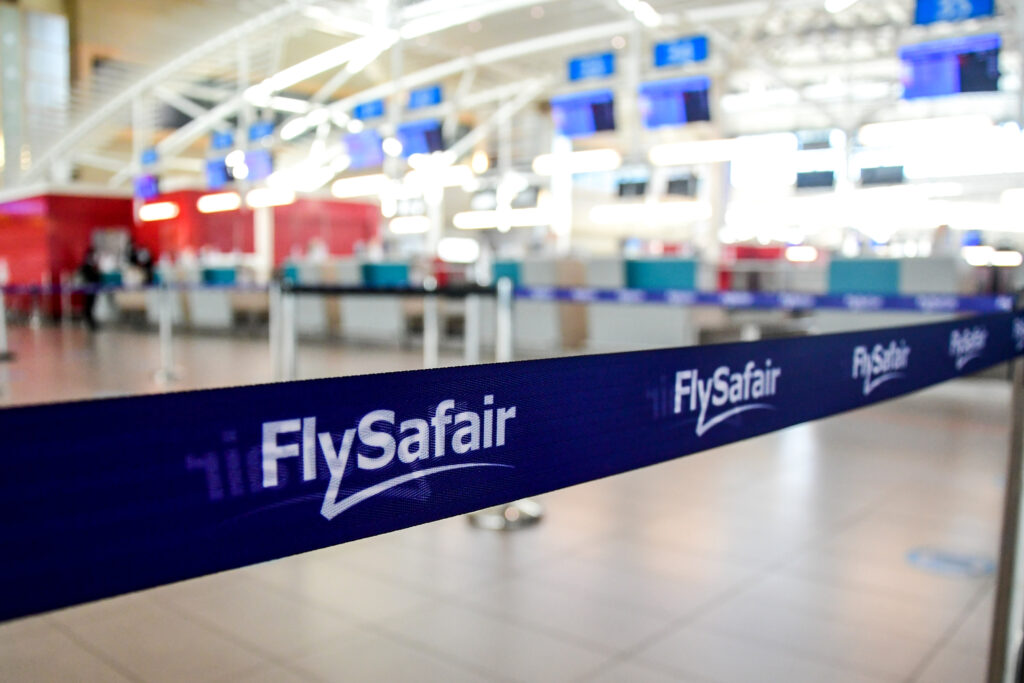
The airline industry has long grappled with the complex dynamics of managing passenger bookings, balancing profitability with customer satisfaction. In recent developments, FlySafair, a prominent South African low-cost airline, is facing serious allegations concerning its ticket booking practices. With the National Consumer Commission (NCC) initiating charges against the airline for purportedly overbooking flights, the situation raises critical questions about consumer rights, corporate responsibility, and the broader implications for the aviation sector.
FlySafair’s troubles began when members of the public expressed significant concerns about the airline’s booking practices, particularly on social media platforms. Reports surfaced detailing instances where passengers who had purchased tickets were informed at check-in that no seats were available due to overbooking. This prompted the NCC to launch an investigation under the Consumer Protection Act (CPA), ultimately leading to the referral of FlySafair to the National Consumer Tribunal. The case exemplifies the ongoing tensions between consumer protection and the operational realities of airlines.
The NCC’s investigation uncovered that FlySafair’s practices may have violated various provisions of the CPA. The act explicitly prohibits companies from accepting payment for services they are unable to deliver, a principle designed to protect consumers from unfair business practices. Hardin Ratshisusu, the acting commissioner of the NCC, indicated that the investigation revealed systematic overbooking practices, which averaged more than 5,000 passengers during the months of November and December 2024 and January 2025. This strategy, while financially lucrative for the airline, raises ethical concerns regarding consumer trust and satisfaction.
Key points from the NCC’s findings illustrate the gravity of the situation. The investigation concluded that FlySafair engaged in practices that not only oversold services but also resulted in unfair and unreasonable contract terms for consumers. Furthermore, there were issues regarding inadequate disclosure of material risks, misleading representations made by the airline, and a failure to provide services in accordance with agreed-upon terms. Such conduct can lead to a considerable erosion of consumer trust, which is particularly damaging in an industry where customer loyalty is paramount.
From an investor’s perspective, the implications of this case are significant. While FlySafair may have benefited financially from overbooking, the potential legal consequences and reputational damage could outweigh any short-term gains. The NCC has recommended an administrative penalty amounting to 10% of FlySafair’s annual turnover, which could impose a heavy financial burden on the company. Investors should be wary of how this situation might impact FlySafair’s financial performance and market position in the long run.
Moreover, the case presents an opportunity for traders and investors to reflect on the overall state of the airline industry. As low-cost carriers continue to thrive, the pressure to maintain profitability can sometimes lead to questionable practices. This scenario serves as a reminder that ethical business operations are crucial not only for maintaining customer loyalty but also for ensuring long-term sustainability. Investors looking to engage with airline stocks should conduct thorough due diligence, evaluating not just financial metrics but also the ethical considerations of a company’s operational practices.
In conclusion, FlySafair’s predicament highlights the delicate balance between profitability and consumer protection within the airline industry. The allegations of overbooking have prompted regulatory scrutiny that could have lasting repercussions for the airline. For consumers, this serves as a critical reminder of their rights and the importance of holding companies accountable for their practices. For investors and traders, the situation underscores the necessity of evaluating both financial performance and ethical considerations when assessing potential investment opportunities. As the case progresses, it will be essential to monitor how FlySafair responds to these allegations and what measures they implement to restore consumer trust and comply with regulatory standards. The outcome of this case could very well shape the future of not only FlySafair but the entire airline industry in South Africa.