
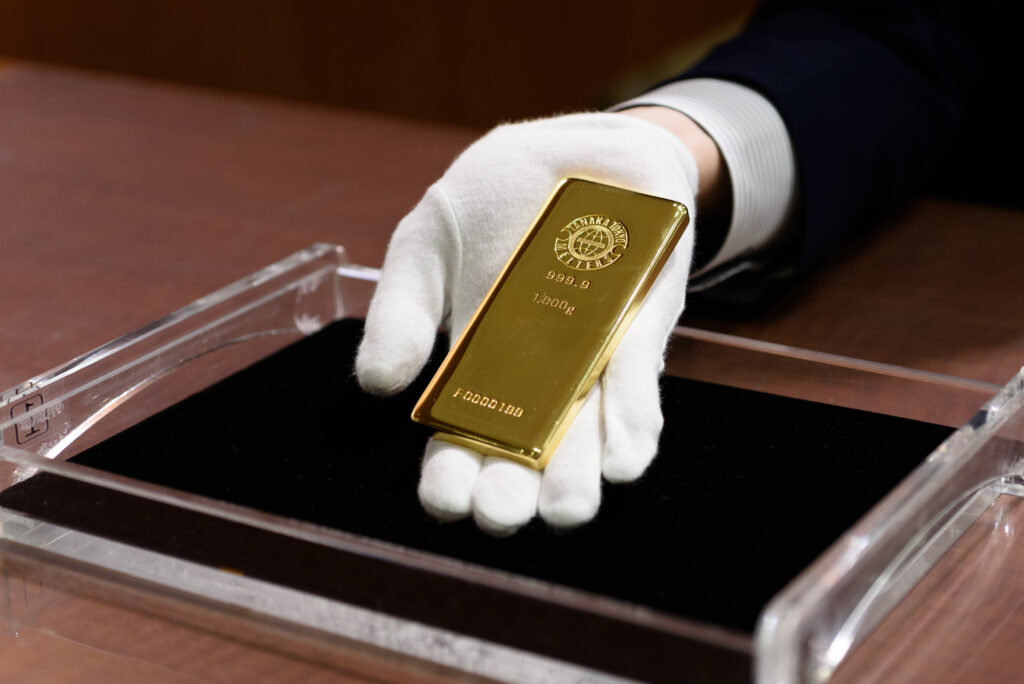
As the world keeps a close eye on geopolitical tensions in the Middle East, gold prices are experiencing a tug-of-war between investor optimism and cautious sentiment. Currently trading just above $4,500 an ounce, gold is at a critical juncture, influenced by the latest developments regarding potential peace talks between the United States and Iran. Traders are left anxiously awaiting concrete outcomes, as each day brings new speculation about the future of the conflict and its impact on global markets.
The current situation is underscored by the fact that gold is often viewed as a safe haven asset during times of uncertainty. However, the metal has been subject to considerable fluctuations since the onset of the conflict in February, having declined approximately 14% from its earlier highs. This decline can be largely attributed to macroeconomic factors, including rising yields on U.S. Treasuries and the persistent inflation pressures that have prompted discussions amongst Federal Reserve officials regarding interest rate hikes.
The backdrop of this price fluctuation is the ongoing conflict in the Middle East, which has led to increased energy prices and broader inflation concerns. The Strait of Hormuz, a vital waterway for global oil shipments, has become a focal point of tension. A resolution to the conflict could lead to the reopening of this corridor, which would in turn alleviate some of the inflationary pressures currently felt in the global economy. Such a scenario could reduce the likelihood of central banks maintaining elevated interest rates, a condition that typically benefits non-yielding assets like gold.
Recent statements from Citigroup analysts suggest that the gold market may be nearing its bottom, particularly if the situation in the Strait of Hormuz de-escalates. They indicate that a prolonged closure of the waterway could shift investor focus towards stagflation—a scenario characterized by stagnant economic growth coupled with high inflation. Historically, gold has performed well during such conditions, leading to speculation that it may emerge as a strong investment choice if economic indicators signal a downturn.
In the immediate term, gold prices have shown a slight decline, with spot gold edging down 0.3% to $4,532.01 an ounce in London trading. Silver and other precious metals like platinum and palladium have also seen downward pressure. Meanwhile, the Bloomberg Dollar Spot Index remains stable, suggesting a cautious equilibrium in the currency markets as traders await further developments.
Key points to consider in this evolving narrative include the relationship between gold and interest rates, the geopolitical landscape in the Middle East, and the broader implications for inflation. As central banks globally grapple with how to respond to persistent inflation, the future of gold will likely remain tied to these macroeconomic trends. Investors must remain vigilant and informed, as the interplay of these factors can lead to rapid shifts in market sentiment.
For traders and investors, this situation presents both challenges and opportunities. Those with a bullish outlook on gold might consider the current dip as a buying opportunity, particularly if they believe in the potential for a resolution to the Middle East conflict. Conversely, those adopting a more cautious stance may choose to hedge their positions or diversify their portfolios in anticipation of continued volatility.
In conclusion, the gold market is currently navigating a complex landscape shaped by geopolitical tensions and macroeconomic pressures. As traders await clarity on peace negotiations in the Middle East, the broader implications for inflation and interest rates will play a pivotal role in determining the direction of gold prices. Investors should stay informed, as the decisions made by global central banks and developments in the conflict will undoubtedly influence market dynamics in the months to come. Whether viewed as a safe haven or a speculative asset, gold remains a critical component of the investment landscape, deserving of close attention amidst ongoing uncertainty.