
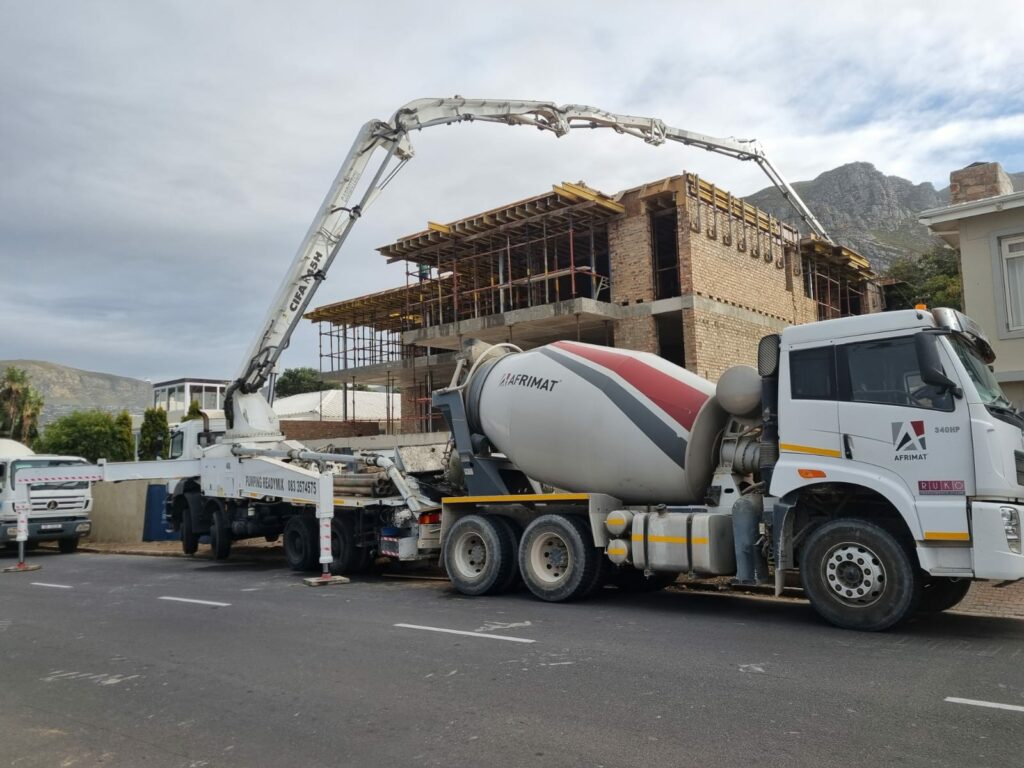
In a financial landscape that’s often unpredictable, Afrimat, a prominent player in the construction materials and mining sector, has demonstrated remarkable resilience and growth. For the fiscal year ending on February 28, 2026, the group reported an impressive 20.3% increase in revenue, reaching a substantial R10 billion. This positive trend has not only bolstered their financial standing but also set the stage for future challenges, particularly concerning rising energy prices exacerbated by geopolitical tensions.
As companies navigate the complexities of the global market, Afrimat’s performance and strategic responses provide valuable insights into how businesses can thrive in a fluctuating economic environment.
Understanding Afrimat’s Financial Performance
Afrimat’s recent financial results highlight significant growth in various areas. Their headline earnings per share (Heps) surged by nearly a third, reflecting a robust operational performance. The company also reported total dividends that aligned with this growth, showcasing their commitment to returning value to shareholders. Furthermore, Afrimat made notable strides in improving its profit margins, indicating effective cost management and operational efficiency across its various divisions.
A key point to consider is that despite the group’s impressive revenue and profit figures, they remain acutely aware of external pressures, particularly in relation to energy costs. The ongoing conflict in Iran has led to a spike in diesel prices, which have already begun to affect operational costs. With approximately 27 million liters of diesel consumed during the fiscal year, Afrimat is actively seeking ways to mitigate the impact of these rising costs on its overall business.
Operational Insights and Challenges
For the financial year 2026, Afrimat reported an operating profit of R523.7 million, marking a 9.6% increase compared to the previous year. However, the company faced challenges, particularly in its cement division, where higher-than-normal maintenance costs contributed to an increase in the cost of sales.
Cash generated from operations totaled R831 million, which, while lower than the company’s usual performance, is seen as a stepping stone toward a stronger financial position in the future. Afrimat is optimistic that the operational initiatives undertaken during the year will enhance cash generation moving forward. This optimism is further supported by the anticipated sale of non-core assets and properties in the upcoming financial year, which is expected to facilitate debt reduction.
The company recently undertook a significant restructuring of its debt. A R1.6 billion revolving debt facility was reclassified to better reflect its long-term nature, with R1 billion converted into a medium-term amortizing loan. This restructuring is set to ease the repayment burden in the near term, allowing Afrimat to focus on growth strategies rather than immediate financial constraints.
Strategic Acquisitions and Future Prospects
A noteworthy development in Afrimat’s portfolio is the acquisition of the Nkomati mine in Mpumalanga in 2021. While the mine has faced challenges, including losses attributed to the shutdown of the Glencore-Merafe ferrochrome smelter and decreased profitability in the iron ore sector, Afrimat remains hopeful for its future. The company believes that a potential reduction in electricity tariffs for the ferrochrome industry could significantly enhance Nkomati’s economic viability. The National Energy Regulator of South Africa is expected to announce a decision on these tariffs in June 2026, which could be a game-changer for the mine’s operations.
Key Takeaways for Investors and Traders
For investors and traders keeping a close eye on Afrimat, several key takeaways emerge from the company’s recent performance:
1. **Strong Revenue Growth**: Afrimat’s 20.3% revenue increase signals robust demand for its products and effective management strategies.
2. **Focus on Cost Management**: The company’s proactive approach to mitigating rising diesel costs demonstrates its commitment to maintaining profitability despite external pressures.
3. **Debt Restructuring**: The recent debt restructuring provides a clearer financial picture and a more manageable repayment plan, which could enhance the company’s long-term stability.
4. **Potential for Future Growth**: The anticipated benefits from the Nkomati mine and the expected reduction in electricity tariffs present opportunities for future profitability.
Conclusion
Afrimat’s recent financial results paint a picture of a company that is not only navigating current challenges but is also positioning itself for future growth. With strategic acquisitions, effective debt management, and a strong focus on operational efficiency, Afrimat is setting a solid foundation for the years ahead. As the global market evolves and energy prices fluctuate, investors and traders will undoubtedly be watching closely to see how Afrimat adapts and thrives in this dynamic landscape.