
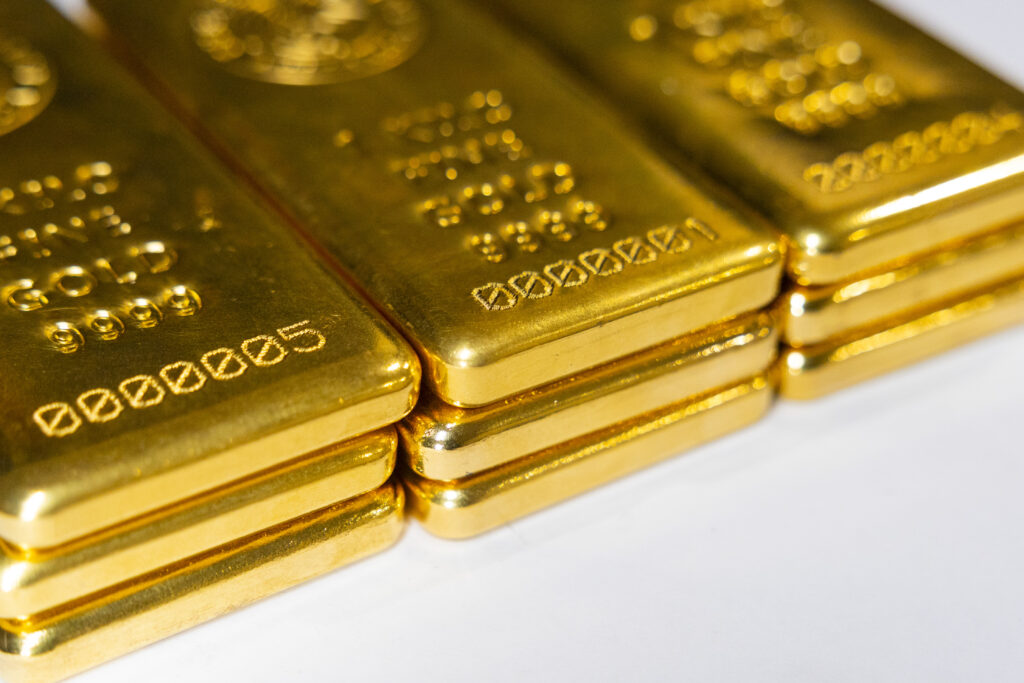
In the ever-changing landscape of financial markets, gold continues to be a focal point for traders and investors. Recently, the precious metal has been trading within a narrow range, primarily influenced by the ongoing and uncertain discussions surrounding ceasefire negotiations between the United States and Iran. This scenario has left many market participants questioning the future direction of interest rates and, consequently, the appeal of gold as a safe haven asset.
Understanding the current situation requires a closer look at the geopolitical factors at play. Reports suggest that Iran is in the process of responding to a proposal submitted by the U.S. This proposal has reportedly helped narrow the contentious gaps between the two nations, according to the semi-official Iranian Students’ News Agency. However, the situation remains fluid, as conflicting statements from key leaders add layers of complexity to the negotiations. For instance, Iranian Supreme Leader Mojtaba Khamenei issued a directive concerning the handling of the country’s near-weapons-grade uranium, which briefly caused fluctuations in oil prices.
These geopolitical tensions have far-reaching implications for the financial markets, especially regarding inflation and interest rates. As traders analyze the evolving dynamics, concerns are mounting that the Federal Reserve and other central banks may need to maintain elevated interest rates for an extended period to address inflationary pressures, particularly those driven by rising energy prices. Gold, traditionally seen as a hedge against inflation and economic uncertainty, typically performs better in low-interest-rate environments since it does not yield interest. This brings us to the crux of the matter: with interest rates potentially on the rise, will gold maintain its status as a go-to asset for investors?
Recent trends indicate that gold has lost some of its luster among commodity trading advisers. Analysts at TD Securities, including strategist Ryan McKay, have noted that their pricing scenarios suggest a significant possibility of traders liquidating their positions in gold if prices were to tumble toward $4,350 an ounce. This sentiment reflects a broader market anxiety where gold has seen a decline of nearly 14% since the onset of the conflict in late February.
As of the latest trading session, spot gold was quoted at approximately $4,537.43 an ounce, marking a minor decline of 0.1%. Similarly, silver prices were slightly down, trading at $76.61. Meanwhile, other precious metals like platinum and palladium remained relatively stable, and the Bloomberg Dollar Spot Index, which measures the strength of the U.S. dollar, also showed little movement.
Key takeaways from this situation highlight the following points:
1. **Geopolitical Tensions Impact Markets**: The ongoing negotiations between the U.S. and Iran are creating uncertainty, which affects not only gold prices but also the broader financial landscape.
2. **Interest Rates and Inflation Concerns**: Traders are closely monitoring potential interest rate hikes as central banks address inflation, further complicating gold’s attractiveness as an investment.
3. **Market Sentiment Shifts**: The sentiment among commodity trading advisers is shifting, with some indicating a potential retreat from gold positions if prices continue to fall.
4. **Historical Performance of Gold**: Gold typically thrives in low-interest-rate environments; however, current conditions suggest that market dynamics may be shifting toward a more challenging landscape for the metal.
For traders and investors, the current scenario offers strategic insights. Those looking to invest in gold should remain vigilant about geopolitical developments and central bank policies. It may be prudent to adopt a cautious approach, considering risks associated with rising interest rates and fluctuating market sentiments. Furthermore, diversifying portfolios to include a mix of assets may help manage risk during this volatile period.
In conclusion, while gold has historically been viewed as a safe haven, the current climate presents unique challenges. With ongoing geopolitical tensions and inflationary pressures, traders and investors must navigate these waters carefully. The next few weeks may prove critical as developments unfold, and market participants will need to stay informed and adaptable to seize potential opportunities in an ever-evolving market landscape.