
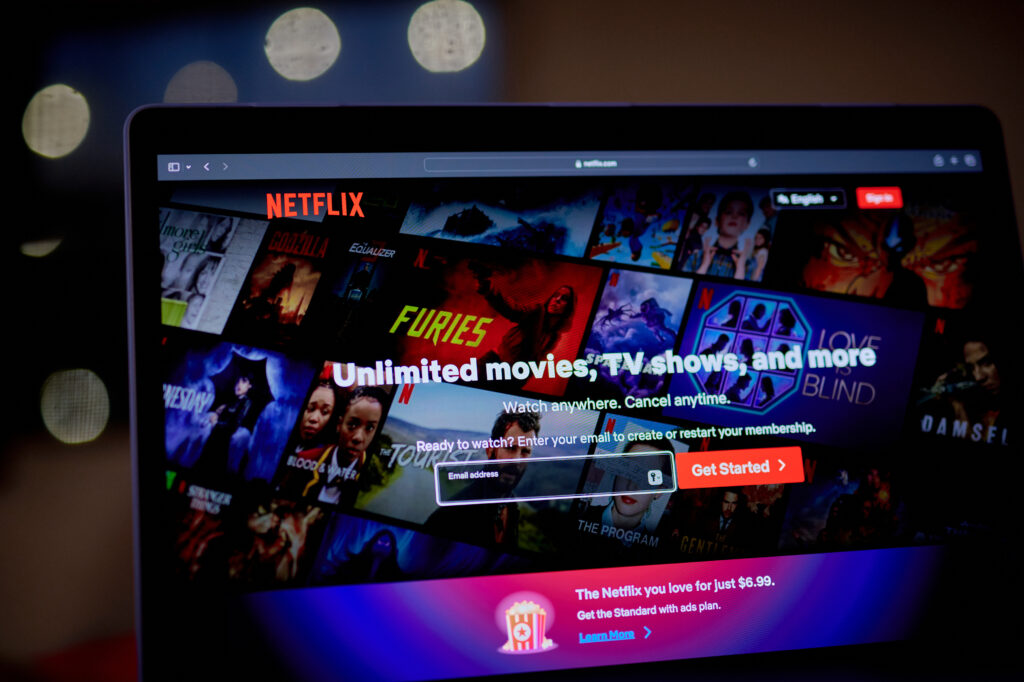
As the digital landscape continues to evolve, the Canadian government has taken a significant step that could reshape the streaming industry in the country. With the implementation of new regulations under the Online Streaming Act, Canada is now mandating that streaming giants like Netflix and Amazon Prime Video allocate a minimum of 15% of their annual revenues earned within Canada toward the production of local content. This move has sparked discussions not only about cultural representation but also about the potential trade implications and the broader economic landscape for investors and traders.
The Online Streaming Act aims to create a more level playing field between traditional broadcasters and online streaming platforms. Historically, Canadian broadcasters have been required to contribute between 30% to 45% of their domestic revenues to fund Canadian content, while streaming services were only expected to contribute a mere 5%. This discrepancy has raised concerns about the sustainability of Canada’s local film and television industry, which has been significantly impacted by the global dominance of American streaming services.
Under the new regulations, streaming platforms will now have to increase their contributions to 15%. The Canadian Radio-television and Telecommunications Commission (CRTC) has emphasized that this adjustment is intended to ensure that all broadcasters contribute equitably to the growth of Canadian and Indigenous content. The rules stipulate that more than half of these contributions can be met through direct investments in content, while the remainder will be funneled into funds dedicated to supporting Canadian productions.
However, this regulatory shift has not come without controversy. The U.S. Trade Representative’s office has labeled Canada’s new streaming rules as potential trade barriers, noting that they could create an uneven playing field for American companies. Republican lawmakers have even introduced legislation aimed at launching an investigation into these regulations, further complicating the relationship between the two countries. Major players in the streaming industry, represented by the Motion Picture Association, have voiced their concerns, arguing that these new obligations could discourage investment and innovation within Canada’s creative sector.
Key Takeaways:
1. **Increased Local Content Requirements**: Streaming services must now allocate 15% of their Canadian revenues to local content, up from 5%.
2. **Impact on Traditional Broadcasters**: Traditional media outlets will see a reduction in their contribution requirements, now set at 25%, down from a range of 30% to 45%.
3. **Trade Implications**: The U.S. government has identified these regulations as potential trade barriers, sparking political responses and legislative action.
4. **Industry Concerns**: Major streaming platforms argue that the increased costs could lead to inflation in the market and deter investment in Canadian content.
For traders and investors, this regulatory landscape presents both challenges and opportunities. On one hand, the increased financial burden on streaming platforms could impact their profitability and stock performance, particularly in the short term. Companies like Netflix and Amazon may need to reassess their Canadian strategies, potentially leading to increased operational costs and reduced margins.
On the other hand, the emphasis on local content could create new opportunities for Canadian production companies and talent. As streaming platforms invest more in local content, there may be a surge in demand for Canadian filmmakers, writers, and actors, leading to growth within the domestic entertainment industry. This shift could foster innovation and creativity, making Canada an attractive place for investment in media and entertainment.
Moreover, investors should keep a close eye on how these regulations play out in the courts. A temporary pause on the 5% contribution requirement is currently in effect, pending a decision from the Federal Court of Appeal. The outcome of this legal battle could have significant implications for the future of streaming regulation in Canada.
In conclusion, Canada’s new streaming regulations represent a pivotal moment for the media landscape, reflecting a commitment to fostering local content while navigating complex trade relationships. As both challenges and opportunities emerge from this regulatory shift, it is crucial for investors and traders to stay informed and adapt their strategies accordingly. Understanding the dynamics of these changes will be essential for making sound investment decisions in the evolving world of streaming and content creation.