
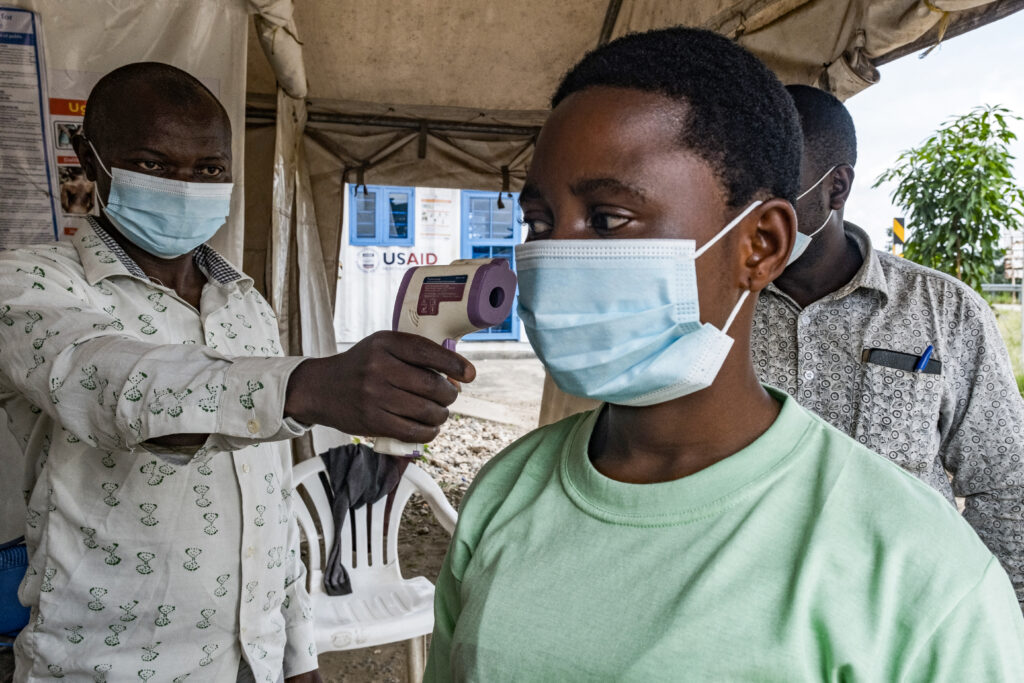
The Democratic Republic of Congo (DRC) has long been a focal point for global health concerns, particularly when it comes to the deadly Ebola virus. As the country faces yet another outbreak, the economic ramifications are as significant as the health implications. The latest incidents, particularly in the Ituri province, indicate not only a public health crisis but also a broader economic challenge that could reverberate far beyond its borders.
In recent weeks, Nyankunde Hospital in northeastern Congo has become a poignant symbol of this struggle. With Dr. Charles Kashindi at the helm, the hospital is grappling with a surge in suspected Ebola cases, the result of a misdiagnosis that initially led to a false sense of security among healthcare workers. The situation has escalated quickly, with 25 suspected cases reported in a matter of days, alongside the tragic loss of four lives. The hospital, which lacks essential resources like isolation rooms and protective equipment, is now under immense pressure, highlighting the dire state of healthcare infrastructure in conflict-affected regions.
The situation has evolved dramatically since the first recorded Ebola outbreak in the DRC nearly fifty years ago. In the past, these outbreaks were relatively rare, with significant intervals between them. However, the frequency of occurrences has noticeably increased, marking the current outbreak as the 17th since the virus was first identified in 1976. This uptick in cases is attributed to several factors, including improved detection methods, population growth, and climate change, which have created more opportunities for zoonotic diseases—those transmitted from animals to humans—to spread.
Critical to understanding this outbreak is the role of the World Health Organization (WHO), which has categorized the situation as a public health emergency of international concern. This designation underscores the urgency of addressing the crisis, particularly in a region characterized by conflict and poor infrastructure. The DRC has recorded alarming statistics: as of late May, there were 671 suspected cases and 160 suspected deaths across the Ituri and North Kivu provinces, a situation that carries considerable implications for the local and global economy.
The economic impact of Ebola outbreaks extends far beyond immediate health concerns. In regions already struggling with poverty and conflict, the rise of such epidemics can exacerbate existing challenges. Healthcare systems that are already under strain must divert resources to manage outbreaks, often at the expense of routine health services. This can lead to a decline in overall public health, increasing mortality rates from non-Ebola-related conditions and creating a cycle of poverty and illness.
Moreover, the fear surrounding Ebola can have significant effects on trade and commerce. As communities become more cautious, restrictions on movement and gatherings may be implemented, disrupting local economies. Businesses may suffer from reduced customer traffic, and agricultural production could decline if farmers are unable or unwilling to sell their goods. In a region where many rely on daily wages for survival, such economic disruptions can have devastating consequences.
Investors and traders should be acutely aware of these dynamics. The DRC is rich in resources, including minerals like cobalt and gold, which are vital to global supply chains. However, the uncertainty brought about by health crises can lead to increased volatility in these markets. Investors looking to engage with DRC’s economy must weigh the risks associated with potential outbreaks against the long-term value of the country’s resources. Diversifying investment portfolios and staying informed on public health developments can mitigate some of these risks.
In conclusion, the current Ebola outbreak in the Democratic Republic of Congo serves as a stark reminder of the interconnectedness of health and economic stability. As the world grapples with the implications of zoonotic diseases, it is imperative to recognize that investments in healthcare infrastructure, disease prevention, and community resilience are not merely altruistic endeavors—they are essential for economic stability and growth. The ongoing crisis in the DRC illustrates the pressing need for both national and international stakeholders to address the root causes of these outbreaks while preparing for the inevitable economic fallout that follows.