
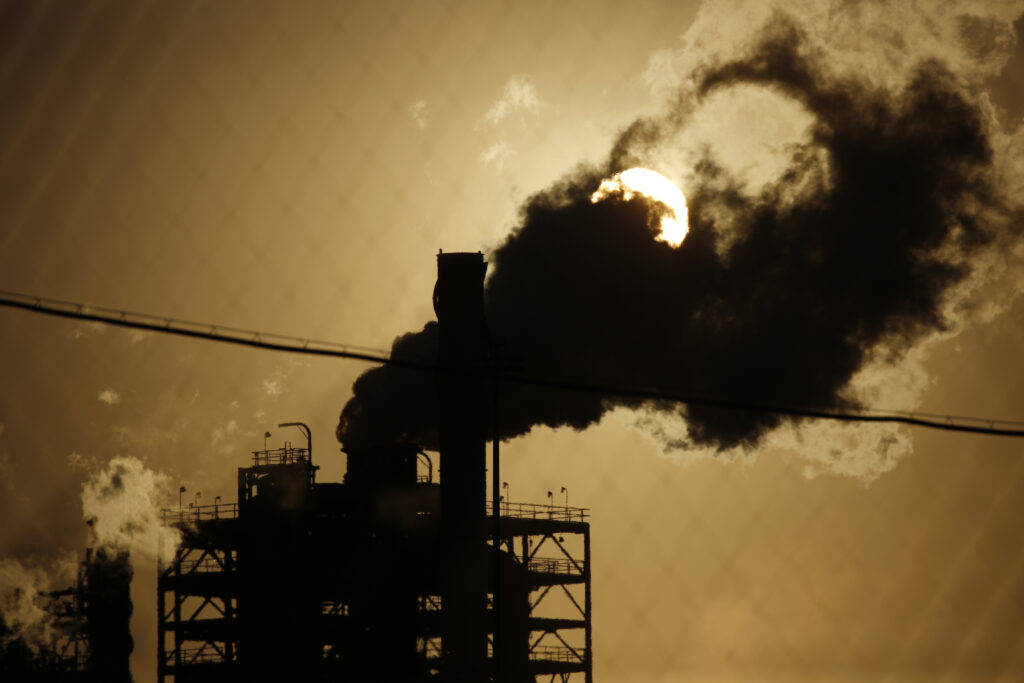
The ongoing legal confrontation between Shell Plc and climate activists epitomizes the larger struggle over corporate responsibility and environmental sustainability. As climate change becomes a pressing global issue, the role of major corporations, particularly those in the fossil fuel sector, is under intense scrutiny. The latest chapter in this saga involves the Dutch branch of Friends of the Earth, known as Milieudefensie, which is pushing for enforceable emissions reductions from Shell to ensure the company’s alignment with its net-zero target for 2050.
Shell’s legal predicament stems from a lawsuit that seeks to compel the oil and gas giant to cut its CO2 emissions to 45% below 2019 levels by the year 2030. The case has made its way to the Supreme Court of the Netherlands, where Milieudefensie aims to argue that Shell has a legal obligation to take decisive action against climate change. This confrontation is not merely about one company but reflects a broader societal demand for accountability in the face of environmental crises.
The crux of the issue lies in the interpretation of corporate responsibility. Shell maintains that it is the purview of lawmakers, not judges, to establish limits on emissions for companies. This stance resonates with a growing sentiment among many corporations that regulatory frameworks should dictate their operational boundaries, rather than judicial mandates. The upcoming hearing in the Supreme Court follows a prolonged legal battle that has raised critical questions about the role of the judiciary in enforcing climate justice against corporations.
In recent years, various cases have emerged in Europe that examine the obligation of energy companies to address their carbon footprints. For instance, RWE AG, one of the continent’s significant carbon emitters, successfully defended itself against a lawsuit brought by a Peruvian farmer, which sought to hold the company accountable for climate-related damages. Meanwhile, TotalEnergies SE faces its own legal challenges in Paris, where activists are pushing for a halt to new fossil fuel exploration projects. The outcomes of these cases could set important precedents for how climate litigation is conducted and the extent to which companies can be held liable for their emissions.
Amid these legal proceedings, the geopolitical landscape is shifting, influencing public opinion and corporate strategies. The recent commentary from U.S. President Donald Trump has cast doubt on the viability of aggressive climate policies, contributing to a climate of skepticism around net-zero commitments. Additionally, geopolitical tensions, such as the ongoing conflict in Iran and the disruptions in the Strait of Hormuz, underscore the volatility of global energy supply chains. These factors bolster Shell’s argument that imposing stringent emissions reductions could jeopardize energy security and affordability for consumers.
Despite Shell’s assertions, Milieudefensie remains undeterred. The organization believes there is a solid legal foundation for demanding judicial intervention. A spokesperson for the group expressed optimism about their chances of success in the Supreme Court, emphasizing that the era of corporate non-commitment to climate action is over. This sentiment echoes a growing global movement that seeks to hold corporations accountable for their environmental impact.
Historically, both parties have experienced victories and setbacks in lower courts. A landmark ruling in 2021 initially mandated Shell to achieve a 45% emissions reduction, marking a significant milestone in holding a major fossil fuel company accountable for its carbon footprint. This decision was pivotal because it recognized that the majority of Shell’s emissions—approximately 90%—are indirect, stemming from the consumption of its products rather than direct operations. However, this ruling was later overturned by an appeals court, which acknowledged Shell’s obligation to reduce emissions but failed to specify a concrete reduction target. This outcome was seen as a legal victory for Shell’s CEO, Wael Sawan, who argued that court rulings alone would not diminish consumer demand for fossil fuels.
As the legal battle unfolds, both traders and investors should keep a close eye on the developments. The implications of this case extend beyond Shell; they could influence the entire oil and gas industry’s approach to sustainability and emissions reductions. Investors may need to consider the risks associated with potential regulatory changes and the growing pressure from environmental activists. Companies that fail to adapt to the evolving landscape may find themselves facing legal challenges and reputational damage.
In conclusion, the legal showdown between Shell and climate activists underscores the complexities of addressing climate change in a capitalist framework. As the world grapples with the urgent need for sustainable practices, the outcome of this case could have far-reaching implications for corporate accountability, environmental policy, and the future of the fossil fuel industry. The stakes are high, and the outcome will likely shape the dialogue around corporate responsibility and climate action for years to come.