
In the fluctuating landscape of the agricultural sector, Quantum Foods has made headlines with its recent interim earnings report for the six months ending March 31, 2026. The company has demonstrated notable resilience and adaptability in a market fraught with challenges, showcasing a significant increase in earnings despite facing pressures from fluctuating egg prices. This blog post delves into the key developments surrounding Quantum Foods, its financial performance, and what this means for investors and traders.
Quantum Foods, a prominent player in South Africa’s poultry industry, reported a remarkable increase in its headline earnings, which surged by 17% to R176 million, translating into a 16% rise in headline earnings per share to 86.5 cents, up from 74.8 cents the previous year. Such impressive growth is largely attributed to a combination of reduced feed costs, a surge in poultry demand, and enhanced operational performance across its African ventures. However, the company faced significant challenges, particularly in its egg production segment, where declining prices exerted pressure on profit margins.
A closer look at Quantum Foods’ financials reveals that operating profit climbed by 18% to R241 million, a notable increase from R205 million in the same period last year. This upward trajectory is commendable, especially considering that total revenue experienced a slight decline of 5%, falling from R3.6 billion to R3.43 billion. The company’s board responded positively to the earnings report by declaring an interim gross cash dividend of 22 cents per share, a substantial increase compared to the absence of dividends a year earlier.
The favorable trading conditions in South Africa played a pivotal role in bolstering the company’s performance. Factors such as improved demand for poultry products, a decrease in feed input costs, and a reduction in electricity disruptions contributed to a more favorable operating environment compared to the previous year. Additionally, the reduction in red meat supply, stemming from outbreaks of foot-and-mouth disease, further supported the demand for poultry, positioning Quantum Foods advantageously in the market.
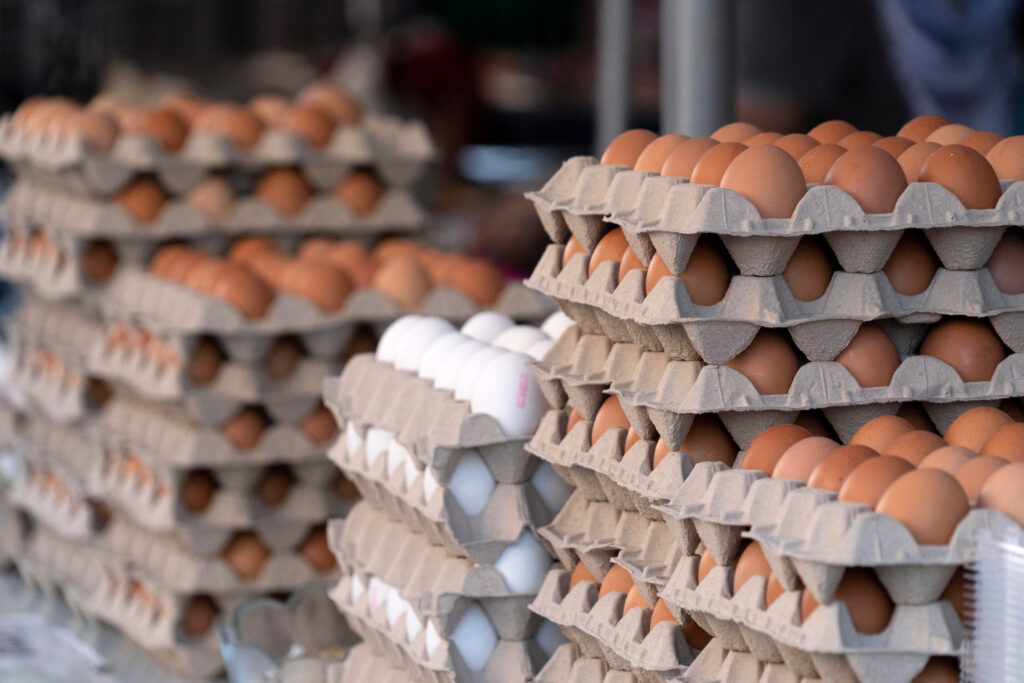
Despite these positive indicators, the company did not escape the ramifications of an outbreak of highly pathogenic avian influenza (HPAI) that impacted one of its layer farms in the Western Cape, affecting approximately 153,000 hens. Fortunately, no subsequent outbreaks occurred during the reporting period, allowing Quantum Foods to stabilize its flock and improve throughput. However, the egg division faced ongoing challenges, with a 4.4% increase in supply leading to an 8.8% drop in average selling prices. This was primarily due to an enlarged national layer flock and greater market availability of eggs. External revenue for this segment dipped to R584 million from R615 million, and operating profit before capital items decreased significantly to R42 million from R72 million.
One of the key mitigating factors for Quantum Foods was the decline in feed costs, which softened the impact of falling egg prices. Average yellow maize prices plummeted by over 30%, and the costs of soya bean meal also saw a decrease. However, the strengthening of the rand against the US dollar delayed the recognition of the full benefits associated with reduced raw material costs.
Looking ahead, Quantum Foods has issued a cautious outlook for the remainder of the financial year, anticipating a significantly more challenging environment due to ongoing geopolitical tensions in the Middle East that could disrupt global supply chains and inflate costs. The company has also flagged rising fuel costs that are likely to escalate operating expenses and further strain consumer disposable income. However, it remains optimistic that feed input costs, excluding immediate fuel impacts, will remain relatively stable in the short term, bolstered by sufficient grain availability and steady international commodity prices.
For traders and investors, the current landscape presents a mixed bag of opportunities and challenges. While Quantum Foods has demonstrated robust growth and resilience, the pressures in the egg market and potential cost escalations should be closely monitored. The company’s ability to navigate these hurdles successfully may provide insights into its long-term sustainability and profitability.
In conclusion, Quantum Foods is navigating a complex market landscape with a commendable financial performance that belies the challenges it faces. With strong earnings growth and a proactive approach to managing costs, the company is well-positioned to adapt to future market dynamics. Investors should keep a keen eye on both the poultry and egg markets as Quantum Foods continues to chart its course through an evolving agricultural sector.