
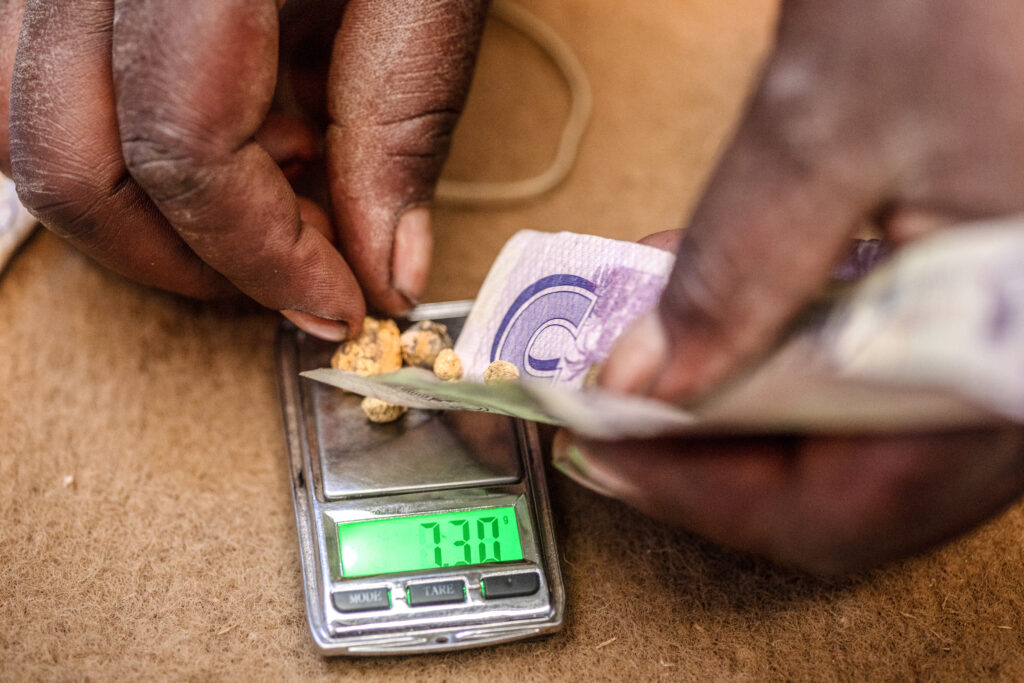
In a significant move aimed at reshaping its economic landscape, Zimbabwe has announced a ban on foreign companies and individuals from participating in small-scale gold mining. This policy shift, articulated by the Mines Minister Polite Kambamura, is designed to bolster local employment and enhance the benefits of gold mining for the domestic economy. As the country grapples with economic challenges, this initiative raises questions about its implications for both local miners and foreign investors.
The small-scale gold mining sector in Zimbabwe plays a crucial role in the nation’s economy. Small-scale miners, who are defined under the new regulations as producers with a monthly output of no more than 20 kilograms and a capital investment of less than $15 million, account for an impressive 65% of the country’s gold production. This sector has been a lifeline for many Zimbabweans, providing employment opportunities and contributing to the national revenue. In the first four months of this year, Zimbabwe’s gold output reached approximately 12,637 kilograms, indicating a modest increase of 1.3% compared to the previous year.
The decision to restrict foreign participation in this sector is rooted in a desire to protect local jobs and ensure that the benefits of gold mining are redirected towards Zimbabwean citizens. By mandating that foreign entities either ramp up their investment and production capabilities or cease operations by January, the government aims to create a more equitable mining environment. This policy is not just about limiting foreign influence; it’s also about fostering a sense of national ownership over natural resources that are integral to the country’s economic recovery and growth.
Key points to consider regarding this policy change include the potential for increased local employment and the empowerment of local miners. By prioritizing Zimbabwean citizens in small-scale mining, the government hopes to stimulate local economies and support communities that depend on this industry. Additionally, the focus on local ownership may lead to more sustainable mining practices, as local miners are likely to have a vested interest in maintaining the health of their environment and community.
However, this policy shift is not without its challenges. Foreign investors have historically played a significant role in Zimbabwe’s mining sector, bringing in capital, technology, and expertise. The exit of these investors could lead to a decrease in overall production capacity, particularly if local miners lack the resources or knowledge to fill the gap left by foreign companies. Furthermore, the requirement for foreign entities to significantly increase their investment before remaining operational may not be feasible for all, leading to potential job losses and a decline in overall gold output.
For traders and investors, this policy presents a mixed bag of opportunities and risks. On one hand, the focus on local production could drive up demand for locally sourced gold, potentially increasing prices in the domestic market. Investors looking to capitalize on this trend may consider exploring partnerships with local miners or investing in firms that are well-positioned to adapt to the new regulations. On the other hand, the exit of foreign firms may create volatility in the mining sector, which could impact gold prices and investor sentiment.
In conclusion, Zimbabwe’s ban on foreign participation in small-scale gold mining marks a pivotal moment in the country’s approach to its natural resources. By prioritizing local miners, the government aims to enhance economic self-reliance and bolster job creation. However, the potential challenges associated with reduced foreign investment and production capacity cannot be overlooked. For investors, the situation calls for careful analysis and strategic planning to navigate the evolving landscape of Zimbabwe’s gold mining industry. As the country embarks on this new chapter, the global gold market will be watching closely to see how these changes unfold and what they mean for the future of mining in Zimbabwe.