
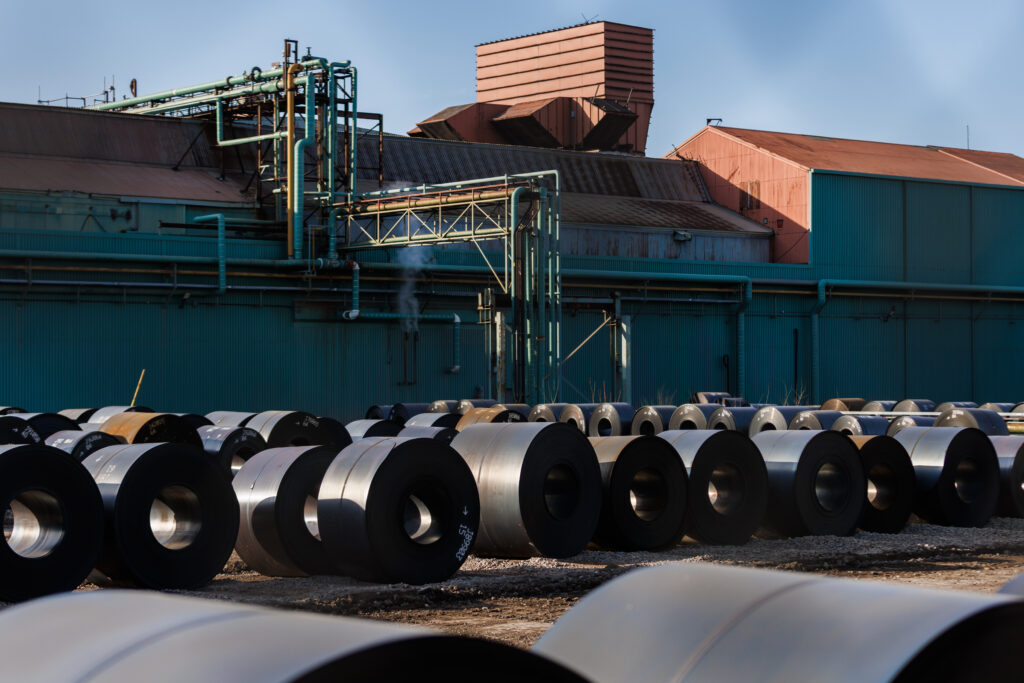
In a bold move aimed at revitalizing its struggling steel industry, South Africa has sharply raised import tariffs on a variety of steel products. With tariffs now reaching the maximum limits permitted by World Trade Organization (WTO) regulations, the government has positioned this policy as a necessary measure to shield local producers from a flood of cheaper imports, particularly those coming from China. However, the implications of these tariffs extend beyond mere protectionism; they could have far-reaching consequences for the economy, especially for downstream manufacturers who rely on affordable steel.
The South African steel industry has faced significant challenges over the years, including rising competition from international markets and a general decline in domestic manufacturing. In response, the government has sought to provide relief through increased tariffs, which they argue will allow local producers a chance to stabilize and compete. However, this strategy raises critical questions about its efficacy and the broader impact on the economy.
One of the most vocal critics of this approach is Gerhard Papenfus, the Chief Executive of the National Employers’ Association of South Africa (NEASA). In a recent discussion, Papenfus highlighted the disconnect between the government’s intentions and the realities faced by downstream industries. According to him, the introduction of tariffs—beginning in 2015—has not only failed to revive the steel sector but has also contributed to its decline. He argues that the rising tariffs serve more as a revenue-generating mechanism for the state and a lifeline for ArcelorMittal South Africa (Amsa), rather than a genuine attempt to foster a thriving industry.
Key Points to Consider
1. **Economic Impact on Downstream Industries**: The steel tariffs, while designed to protect primary producers, are inflicting significant harm on downstream manufacturers, engineering firms, and construction companies. Papenfus noted that in the past five years alone, the downstream sector has lost approximately 110,000 jobs—a staggering 24% reduction. The adverse effects on these industries could lead to further job losses and business closures if the tariffs remain in place.
2. **Dependency on Amsa**: The question arises: should the government prioritize the survival of Amsa at the expense of a broader industrial ecosystem? While Amsa is a significant player in the steel market, many industry voices argue that the company may be hindering progress rather than facilitating it. There are calls for a reevaluation of the necessity to support Amsa, suggesting that its continued existence could be detrimental to the overall health of the steel sector.
3. **Long-Term Viability**: The introduction of high tariffs may provide short-term relief to local producers, but it could also discourage innovation and efficiency within the industry. A protected market may lead to complacency, stifling competition and preventing the adoption of new technologies that could enhance productivity. In the long run, this could jeopardize the very stability the tariffs are meant to ensure.
Insights for Traders and Investors
For traders and investors, the implications of these tariff changes are multifaceted. While protectionist measures might initially boost the stock prices of companies like Amsa, they could signal deeper issues within the South African economy. Investors should closely monitor the reactions of downstream manufacturers and related sectors, as the potential for job losses and business closures could lead to a ripple effect throughout the economy.
Furthermore, the steel tariffs could influence commodity prices and trade relations with other countries. Investors in global markets should remain vigilant about how these tariffs might affect supply chains and overall market dynamics, particularly if retaliation from trading partners occurs.
Conclusion
The recent increase in import tariffs on steel products in South Africa presents both an opportunity and a challenge. While the government aims to protect local producers from foreign competition, the unintended consequences of this protectionism could severely impact downstream industries and the overall economy. As stakeholders grapple with the realities of these tariffs, it is crucial to seek a balanced approach that fosters both the steel industry and the broader economic landscape. Moving forward, a nuanced understanding of the interconnectedness of these sectors will be essential for sustainable growth and job creation in South Africa.