
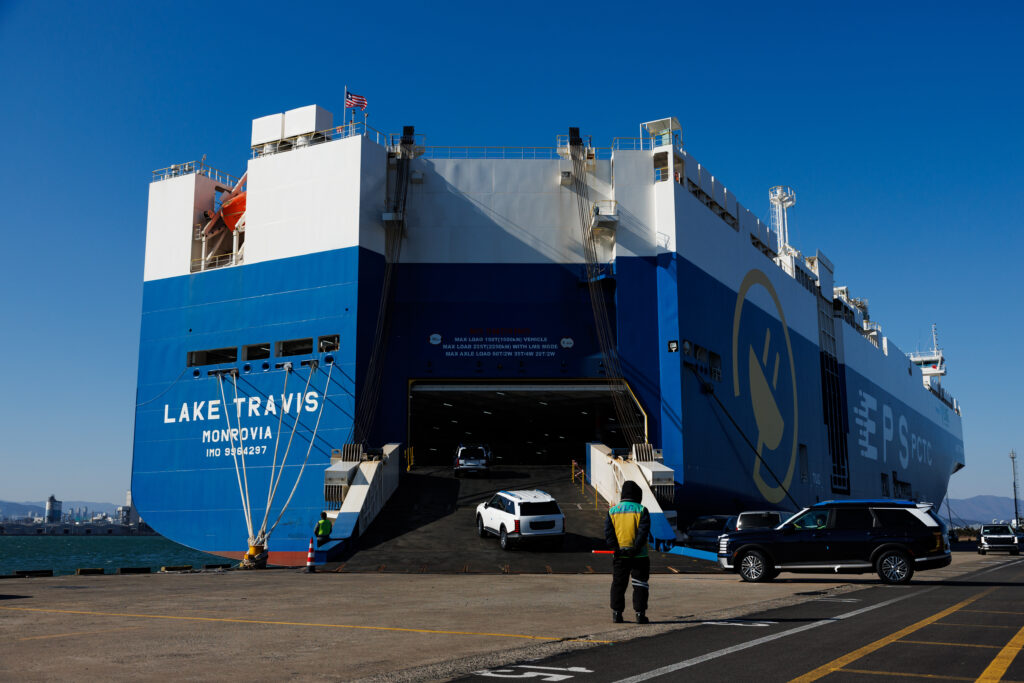
In the world of electric vehicles (EV), competition is fierce, and companies are constantly seeking innovative ways to stay ahead. One such company is BYD, the world’s largest EV manufacturer, which has recently demonstrated remarkable agility in navigating geopolitical risks and maximizing efficiency through its own shipping fleet. The strategic decisions made by BYD not only highlight its proactive approach to logistics but also provide crucial insights into the evolving landscape of global trade, especially for the automotive industry.
In late November, the BYD Shenzhen embarked on a mission that would define the company’s resilience and foresight. The cargo ship left the port of Xiamen in southeastern China loaded with 1,768 electric vehicles, all destined for Mexico. The timing of this journey was critical, as impending tariffs on Chinese imports were set to take effect on January 1. By successfully reaching the Lázaro Cárdenas seaport in Mexico by December 21, BYD effectively sidestepped millions of dollars in potential tariffs. This timely delivery not only underscores the company’s logistical prowess but also emphasizes the importance of having control over transportation in an increasingly volatile market.
The story of BYD’s shipping strategy began in the wake of the COVID-19 pandemic in 2022, a period that exposed vulnerabilities in global supply chains. Faced with the reality that it could no longer rely solely on third-party shipping services, BYD took a bold step and invested in its own fleet of cargo vessels. Today, this fleet consists of eight carriers that enable the company to transport approximately 300,000 cars annually to various global markets, including Africa, Europe, Latin America, and the Middle East. The foresight to create an internal shipping solution not only mitigates risks associated with external shipping companies but also enhances BYD’s operational efficiency.
One of the key features of BYD’s shipping operations is its ability to convert geopolitical uncertainties into predictable outcomes. For instance, while many shipping companies are hesitant to traverse certain high-risk routes, BYD has confidently navigated through regions like the Arabian Peninsula and the Strait of Hormuz, areas often fraught with geopolitical tension. Just recently, the BYD Shenzhen successfully docked at the UAE port of Khor Fakkan, showcasing the company’s readiness to operate in challenging environments. The ability to maintain a consistent shipping schedule in these waters demonstrates BYD’s commitment to operational reliability, even in the face of adversity.
Moreover, the company’s strategic choices extend to its use of the Suez Canal, a vital artery for global trade. While many vessels have opted for longer and costlier routes around South Africa’s Cape of Good Hope—adding up to 25% in distance and potentially delaying deliveries by up to 14 days—BYD’s ships have continued to utilize the Suez Canal. This not only saves time but also reduces shipping costs, enabling the company to maintain a competitive edge over rivals.
What sets BYD apart from other automakers that also operate fleets is its exclusive focus on its own cargo. Many manufacturers traditionally use fleets for transportation and leasing purposes, but BYD has chosen to reserve its vessels solely for its products. This approach allows the company to control the entire shipping process, ensuring that its vehicles reach their destinations without unnecessary delays or complications, even if it means returning some ships with limited cargo.
For traders and investors observing BYD’s operations, there are several key takeaways. First, the company’s strategic investment in logistics provides a model for resilience in global trade. As supply chain disruptions become more common due to geopolitical conflicts and other unforeseen events, having a robust internal shipping network can serve as a competitive advantage. Additionally, BYD’s ability to navigate risky waters with confidence signals a level of operational excellence that can inspire investor confidence.
In conclusion, BYD’s successful journey across the Pacific not only exemplifies its operational agility but also highlights the critical importance of logistics in the modern automotive landscape. By investing in its own shipping capabilities, BYD has positioned itself as a leader in the EV market, adept at navigating both the waves of competition and the currents of global trade. For investors and industry watchers alike, BYD’s story serves as a compelling reminder of the power of strategic foresight in an unpredictable world.