
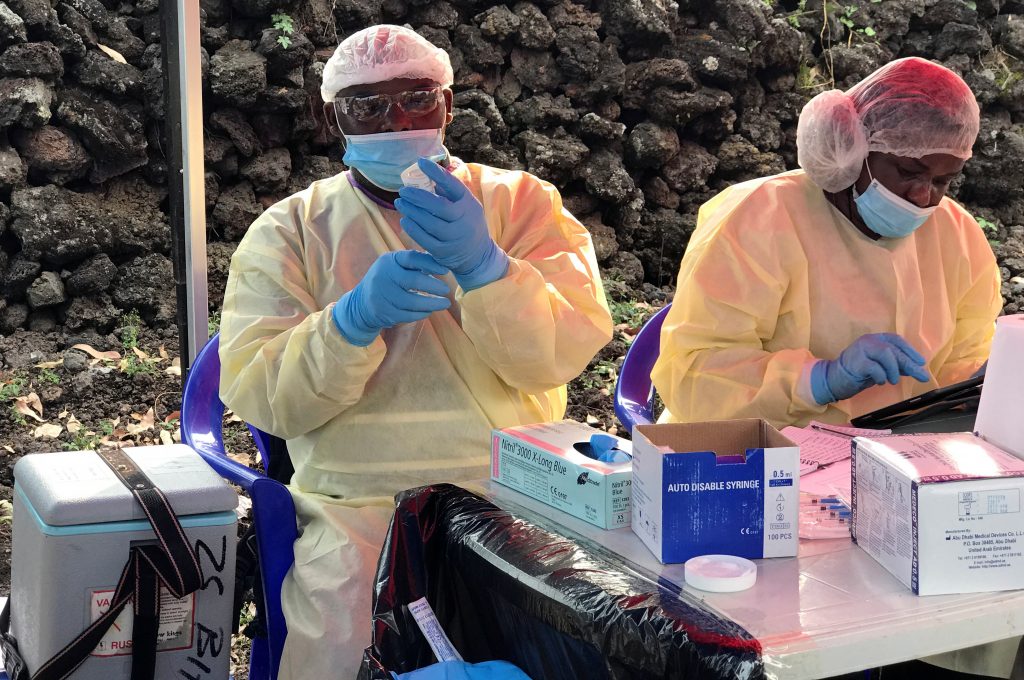
In recent months, a concerning outbreak of Ebola has been making headlines, particularly due to its silent spread in the Democratic Republic of the Congo (DRC). As global health officials convene to address this public health emergency, a notable absence has emerged: a formal delegation from the United States. This absence raises significant questions about the implications of diminished American support in combating health crises and the potential consequences for global health security.
The recent outbreak, which was declared a public health emergency of international concern by the World Health Organization (WHO) on May 17, has already led to almost 600 suspected cases and 139 confirmed deaths, primarily in the northeast region of Ituri. The strain responsible for this outbreak, known as Bundibugyo, poses unique challenges as it currently lacks approved vaccines or treatments, complicating the response efforts.
Historically, the United States has played a pivotal role in managing health emergencies around the globe, particularly through the Centers for Disease Control and Prevention (CDC) and the now-defunct U.S. Agency for International Development (USAID). These agencies have been at the forefront of surveillance, laboratory support, and emergency response during past Ebola outbreaks. For instance, during the devastating epidemic from 2014 to 2016 in West Africa, U.S.-backed teams were instrumental in establishing robust surveillance networks and coordinating effective responses, such as contact tracing and safe burials.
However, recent trends indicate a significant decline in U.S. funding for Ebola-related aid and research. An analysis by the Institute for Health Metrics and Evaluation revealed that U.S. spending on support related to Ebola plummeted to a mere $186,000 last year, a drastic reduction compared to approximately $23 million in 2021. This decline can be traced back to decisions made during the previous administration, which saw the reduction of resources allocated to international health initiatives and a withdrawal from active participation in the WHO.
The ramifications of this funding cut are profound. Jeremy Konyndyk, the president of Refugees International and a former lead of USAID’s Ebola response, referred to the current situation as a “nightmare scenario.” The absence of U.S. resources and expertise has left a significant gap in the global response to the outbreak. While the CDC still maintains a small presence in the DRC and Uganda, the scale and impact of their efforts are nowhere near what they could have been during previous outbreaks.
As the outbreak continues to spread, with researchers suggesting that the actual number of infections could already exceed 800, the need for immediate and effective response measures has never been more critical. International health organizations are scrambling to mobilize resources and expertise, but the lack of U.S. support means that efforts are hindered by limited funding and personnel.
In this context, it is essential to highlight key takeaways. First and foremost, the absence of a robust U.S. response in health crises has far-reaching implications for global health security. The lessons learned from past outbreaks underscore the importance of maintaining strong international partnerships and support mechanisms to effectively combat infectious diseases. Additionally, the current situation serves as a stark reminder of the necessity for sustained funding and resources to address public health emergencies proactively.
For traders and investors, the unfolding Ebola outbreak and the U.S. response—or lack thereof—may have implications beyond the immediate health crisis. Companies engaged in pharmaceuticals, medical research, and global health initiatives may face increased scrutiny and potential volatility in their stock prices based on the progression of the outbreak. Furthermore, investors should keep an eye on government policies and funding allocations related to health initiatives, as these can influence market trends and the overall investment landscape.
In conclusion, the current Ebola outbreak in the DRC highlights a critical juncture in global health response efforts. The diminished role of the U.S. in international health initiatives raises significant concerns about the capacity to manage such crises effectively. As the world grapples with the implications of this outbreak, it is imperative to advocate for renewed investment in global health security, ensuring that lessons from past experiences inform our approach to future health emergencies. The stakes are high, and the time to act is now.