
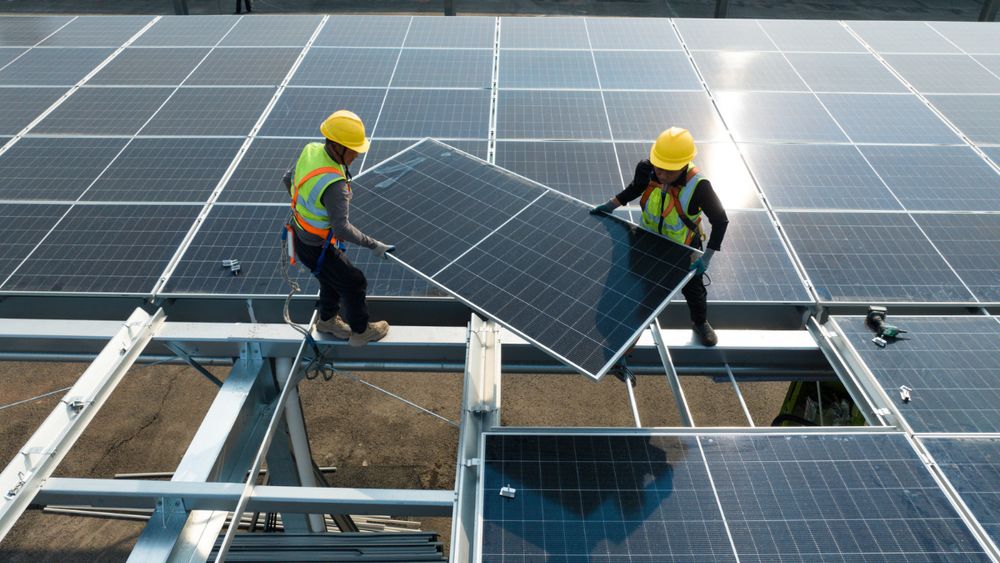
As South Africa embraces the transition to renewable energy, particularly through rooftop solar power, businesses are discovering not only the benefits of energy independence but also the complexities involved in insuring these new assets. The impact of this shift on commercial insurance policies is significant and multifaceted, urging business owners to rethink their coverage strategies.
In recent years, the National Transmission Company of South Africa (NTCSA) has reported a remarkable surge in rooftop solar capacity, reaching approximately 7.345 gigawatts (GW) by the end of 2025. This trend towards solar energy is not merely a passing phase; it reflects a broader movement among South African companies striving for energy autonomy. They are increasingly adopting solar photovoltaic (PV) systems, battery storage solutions, generators, and hybrid micro-grids. However, as businesses implement these technologies, they must also navigate an evolving insurance landscape that is adapting to these changes.
The decision to install solar power systems is largely driven by the desire for sustainability, reduced energy costs, and diminished reliance on Eskom’s fossil fuel-heavy electricity supply. This transition aligns with global environmental, social, and governance (ESG) criteria, which are becoming increasingly important to investors, lenders, and consumers. Companies that invest in renewable energy demonstrate a commitment to responsible business practices, which can enhance their reputations and potentially lead to favorable financing terms. Insurers and reinsurers are taking note of this shift, as they are under pressure to align their underwriting practices with sustainability goals. This means that businesses investing in renewable energy might find themselves perceived as lower-risk clients, thereby benefiting from more favorable insurance terms.
Despite the advantages that come with solar installations, business owners must ensure their insurance policies are adequately updated to reflect these new assets. A common misconception is that existing commercial insurance policies will automatically cover solar installations. In reality, most policies in South Africa do not extend coverage to these new systems unless explicitly stated. The solar installations are often categorized as additional assets that must be reported to the insurer. Failing to do so could result in underinsurance, which can have serious consequences in the event of a claim.
One key issue is that the value of the solar system might not be included in the initial insured amount. As solar installations can substantially enhance a property’s worth, businesses that don’t adjust their coverage may find themselves inadequately protected. This could severely impact their ability to recover costs after a loss. Furthermore, it’s crucial to recognize that not only the solar panels themselves need coverage, but also other components such as inverters and batteries. These items, often classified as high-value and movable, can be particularly vulnerable to theft or damage and should therefore be specifically included in the insurance policy.
In addition to coverage considerations, businesses must also be aware of the structural implications of installing solar panels. The additional weight of these systems on rooftops can pose risks if the existing structure isn’t designed to handle it. This can lead to damage not only to the solar installations themselves but also to the building’s roof. Therefore, ensuring that installations are conducted according to stringent requirements and that detailed records are maintained is essential for compliance and effective insurance coverage.
Key takeaways for businesses contemplating the switch to rooftop solar include:
1. **Review Insurance Policies**: It is crucial to thoroughly review existing insurance policies to determine if solar installations are covered and to make necessary amendments.
2. **Declare New Assets**: Make sure to inform your insurer about the installation of solar systems, and ensure their values are included in the coverage.
3. **Consider Structural Integrity**: Assess the building’s capacity to support the added weight of solar panels and make any necessary upgrades.
4. **Stay Informed on Market Trends**: As the insurance industry evolves in response to renewable energy, keep an eye on emerging trends and potential benefits.
Investors and traders who are attuned to these developments might find opportunities in businesses that are proactively managing their risks associated with solar energy. Companies that successfully integrate renewable energy into their operations while maintaining comprehensive insurance coverage may present a more attractive investment profile, given their commitment to sustainability and risk management.
In conclusion, as South Africa accelerates its transition to rooftop solar energy, the implications for commercial insurance are profound. Business owners must not only embrace the advantages of this shift but also take the necessary steps to ensure their assets are adequately protected. By staying informed and proactive, they can navigate the complexities of insurance in a solar-powered future, ultimately safeguarding their investments and supporting the broader push towards sustainable energy solutions.